What are It Manager metrics?
Crafting the perfect It Manager metrics can feel overwhelming, particularly when you're juggling daily responsibilities. That's why we've put together a collection of examples to spark your inspiration.
Copy these examples into your preferred app, or you can also use Tability to keep yourself accountable.
Find It Manager metrics with AI
While we have some examples available, it's likely that you'll have specific scenarios that aren't covered here. You can use our free AI metrics generator below to generate your own strategies.
Examples of It Manager metrics and KPIs
Metrics for IT Service Agreement Compliance
1. % Compliance with SLA
The percentage of time that IT services are delivered within the predefined terms of the service level agreement
What good looks like for this metric: 90-99%
Ideas to improve this metric- Increase training for service delivery teams
- Enhance monitoring and reporting tools
- Conduct regular SLA reviews and updates
- Ensure clear communication of SLA terms to all stakeholders
- Implement more efficient service processes
2. Response Time to Incidents
The amount of time taken to respond to IT incidents from the time they are reported
What good looks like for this metric: 30 minutes
Ideas to improve this metric- Automate incident alert systems
- Improve resource allocation during peak times
- Provide advanced training for incident management
- Utilise real-time monitoring and dashboards
- Regularly measure and adjust response strategies
3. Resolution Time to Incidents
The amount of time taken to resolve IT incidents from the time they are reported
What good looks like for this metric: 4 hours
Ideas to improve this metric- Implement root cause analysis for recurring issues
- Enhance collaboration across IT teams
- Use advanced diagnostic and repair tools
- Schedule regular knowledge sharing sessions
- Review and optimise workflows for resolution
4. User Satisfaction Rate
Percentage of users satisfied with the IT services provided in accordance with the SLA
What good looks like for this metric: 85-90%
Ideas to improve this metric- Conduct regular satisfaction surveys
- Implement feedback loops for continuous improvement
- Analyse survey data for actionable insights
- Ensure rapid follow-up to any user complaints
- Continuously train staff in customer service skills
5. Change Success Rate
The percentage of changes to the IT system that are successful and do not result in incidents
What good looks like for this metric: 95%
Ideas to improve this metric- Perform rigorous change testing before implementation
- Develop clear guidelines for change management
- Ensure thorough documentation of all changes
- Utilise change advisory boards to approve changes
- Conduct post-change reviews to identify improvement areas
Metrics for Evaluating a Sourcing Model
1. Accuracy of Predictions
Measures how correctly the sourcing model predicts outcomes compared to actual results
What good looks like for this metric: Typically above 70%
Ideas to improve this metric- Use more comprehensive datasets
- Incorporate machine learning algorithms
- Regularly update the model with new data
- Conduct extensive testing and validation
- Simplify model assumptions
2. Computational Efficiency
Assesses the time and resources required to produce outputs
What good looks like for this metric: Execution time under 1-2 hours
Ideas to improve this metric- Optimize algorithm complexity
- Utilise cloud computing resources
- Use efficient data structures
- Parallelize processing tasks
- Employ caching strategies
3. User Accessibility
Evaluates how easily users can interact with the model to obtain necessary insights
What good looks like for this metric: Intuitive with minimal training required
Ideas to improve this metric- Develop a user-friendly interface
- Provide comprehensive user manuals
- Conduct user training sessions
- Ensure responsive support
- Regularly gather user feedback
4. Integration Capability
Measures how well the sourcing model integrates with other systems and data sources
What good looks like for this metric: Seamlessly integrates with existing systems
Ideas to improve this metric- Adopt standard data exchange formats
- Ensure API functionalities
- Conduct system compatibility tests
- Facilitate flexible data imports
- Collaborate with IT teams
5. Return on Investment (ROI)
Calculates the financial return generated by implementing the sourcing model
What good looks like for this metric: Positive ROI within one year
Ideas to improve this metric- Analyse cost-benefit ratios
- Continuous optimisation for cost reduction
- Align model outputs with business goals
- Enhance decision-making accuracy
- Regularly track and report financial impacts
Metrics for Business Systems Support
1. Percentage of Systems Fully Functional
Measures the percentage of business systems across departments that are fully functional without any issues
What good looks like for this metric: 90-95%
Ideas to improve this metric- Implement regular system maintenance schedules
- Upgrade outdated software and hardware
- Conduct frequent system audits
- Train staff on system usage and troubleshooting
- Establish a rapid response team for critical issues
2. Average System Downtime
Calculates the average time that business systems are non-operational
What good looks like for this metric: Less than 1 hour per month
Ideas to improve this metric- Optimize backup and recovery processes
- Use automated monitoring tools
- Schedule updates during off-peak hours
- Develop and test robust disaster recovery plans
- Enhance infrastructure reliability with redundancy measures
3. Support Request Resolution Time
Measures the average time taken to resolve support requests from different departments
What good looks like for this metric: Less than 4 hours
Ideas to improve this metric- Set clear priority levels for support tickets
- Implement a ticketing system with tracking capabilities
- Provide customer service training for IT support staff
- Create a comprehensive FAQ and knowledge base
- Encourage self-service for common issues
4. User Satisfaction Score
Summarises user feedback on their satisfaction with systems support
What good looks like for this metric: Above 80%
Ideas to improve this metric- Conduct regular satisfaction surveys
- Analyse feedback to identify common issues
- Engage users in system improvement discussions
- Provide transparent updates on resolution progress
- Recognise and reward high-performance support teams
5. Frequency of System Changes
Tracks how frequently systems undergo significant updates or changes
What good looks like for this metric: Monthly or quarterly updates
Ideas to improve this metric- Plan updates based on user feedback and needs
- Test updates thoroughly in a controlled environment
- Communicate changes effectively to users
- Incorporate user feedback for improvements
- Balance system stability and innovation
Metrics for Absenteeism Data Analysis
1. Absenteeism Rate
The percentage of workdays lost due to employee absences
What good looks like for this metric: 1.5% to 2.5%
Ideas to improve this metric- Use attendance tracking software
- Establish a clear attendance policy
- Provide flexible working hours
- Implement employee wellness programs
- Offer incentives for good attendance
2. Productivity Loss
The decrease in productivity due to absenteeism, calculated by comparing output with expected production
What good looks like for this metric: Typically 1% to 3% of total output
Ideas to improve this metric- Implement cross-training programs
- Hire temporary staff to cover absences
- Enhance workplace engagement initiatives
- Conduct regular productivity assessments
- Utilise productivity tracking tools
3. Employee Satisfaction Score
A measure of how satisfied employees are with their jobs, often linked to absenteeism rates
What good looks like for this metric: 70% to 80% satisfaction
Ideas to improve this metric- Conduct regular employee feedback surveys
- Address workplace grievances promptly
- Increase job recognition and rewards
- Develop career advancement opportunities
- Improve internal communication
4. Turnover Rate
The rate at which employees leave the organisation, which can be influenced by absenteeism
What good looks like for this metric: 10% to 15% annually
Ideas to improve this metric- Conduct exit interviews to understand reasons for leaving
- Enhance onboarding processes
- Provide competitive salaries and benefits
- Improve workplace culture
- Conduct regular performance appraisals
5. Return-to-Work Rate
The percentage of employees who return to work after being absent, indicating recovery and workplace integration
What good looks like for this metric: Above 90%
Ideas to improve this metric- Provide adequate medical leave support
- Ensure a supportive return-to-work process
- Maintain open communication during absences
- Offer flexible return schedules
- Create a welcoming work environment
Metrics for Help Desk Performance Tracking
1. Average Ticket Resolution Time
The average time taken to resolve a ticket from the moment it's opened until it's closed. This measures efficiency in handling support requests.
What good looks like for this metric: 24 hours or less
Ideas to improve this metric- Automate repetitive tasks
- Improve staff training
- Streamline ticket prioritisation
- Use performance-boosting software
- Implement a robust knowledge base
2. First Contact Resolution Rate
The percentage of tickets resolved during the initial contact with the help desk. A high rate indicates effective support processes.
What good looks like for this metric: 70-75%
Ideas to improve this metric- Equip staff with decision-making power
- Enhance customer service scripts
- Provide ongoing training
- Utilise integrated support tools
- Conduct regular process reviews
3. Customer Satisfaction Score (CSAT)
A measure of customer satisfaction with the resolution of their support tickets, often gathered via surveys after ticket closure.
What good looks like for this metric: 85% or higher
Ideas to improve this metric- Conduct feedback analysis
- Enhance communication channels
- Personalise support interactions
- Reduce wait times
- Regular staff empathy training
4. Ticket Volume Per Channel
Tracking the number of tickets received via each support channel (e.g., email, phone, chat) helps understand customer preferences.
What good looks like for this metric: Balanced distribution across channels
Ideas to improve this metric- Promote diverse contact options
- Evaluate efficiencies of each channel
- Optimise routing based on traffic
- Balance workforce allocation
- Improve multi-channel integration
5. Backlog Ratio
The ratio of unresolved tickets at any time, measuring how well the help desk manages its workload.
What good looks like for this metric: 10% or lower
Ideas to improve this metric- Implement extra shifts during peak times
- Regularly review and close stale tickets
- Prioritise high-impact cases
- Automate low-priority ticket handling
- Improve resource planning
Metrics for End-User Hardware Performance
1. Uptime Percentage
The percentage of time the hardware is operational and available to the user without unplanned outages
What good looks like for this metric: 99%
Ideas to improve this metric- Conduct regular maintenance checks
- Implement automated monitoring systems
- Invest in high-quality hardware components
- Train users on proper device handling
- Have immediate on-call technical support
2. Mean Time to Repair (MTTR)
The average time taken to repair a hardware failure and restore functionality
What good looks like for this metric: Less than 4 hours
Ideas to improve this metric- Streamline repair processes
- Stock essential spare parts
- Conduct regular technician training
- Utilise detailed error logging
- Develop a priority repair system
3. Mean Time Between Failures (MTBF)
The average time interval between hardware failures
What good looks like for this metric: Over 30,000 hours
Ideas to improve this metric- Use high-reliability components
- Ensure environmental conditions are optimal
- Regularly update drivers and software
- Perform thorough pre-deployment testing
- Implement predictive maintenance strategies
4. Hardware Replacement Rate
The frequency at which hardware needs replacing due to failure or obsolescence
What good looks like for this metric: 0-5% annually
Ideas to improve this metric- Analyse end-of-life cycles
- Prioritise purchasing from reputable manufacturers
- Develop a proactive upgrade schedule
- Conduct cost-benefit analysis for replacements
- Ensure comprehensive warranty coverage
5. User Satisfaction Score
A measurement of user satisfaction regarding hardware performance and reliability
What good looks like for this metric: Above 85%
Ideas to improve this metric- Gather regular user feedback
- Implement user-centric design improvements
- Ensure consistent hardware updates
- Offer convenient user support options
- Address common user complaints proactively
Metrics for Windows and VMWare Server Support
1. First Call Resolution Rate
Percentage of issues resolved on the first call without escalation
What good looks like for this metric: 70-80%
Ideas to improve this metric- Provide comprehensive training for team members
- Implement a robust knowledge base
- Utilise remote access tools for rapid solutions
- Ensure clear communication during ticket handling
- Optimise ticket categorisation for swift allocations
2. Average Ticket Resolution Time
Average time taken to resolve support tickets
What good looks like for this metric: Less than 24 hours
Ideas to improve this metric- Enhance prioritisation of critical tickets
- Streamline internal workflows
- Employ ticketing software with automation features
- Offer frequent skill-improving sessions
- Regularly review ticket handoff processes
3. Customer Satisfaction Score
Rating provided by customers after resolution
What good looks like for this metric: Above 90%
Ideas to improve this metric- Solicit feedback through post-service surveys
- Provide personalised support where applicable
- Encourage proactive follow-ups with customers
- Analyse feedback data to identify improvement areas
- Reward team members demonstrating high satisfaction scores
4. Ticket Backlog
Number of unresolved tickets over a specified time period
What good looks like for this metric: Less than 10% of total tickets
Ideas to improve this metric- Regularly audit ticket queue for overdue items
- Implement weekly backlog reviews
- Balance team workload to prevent overloads
- Develop standard operating procedures for common issues
- Encourage team accountability for assigned tickets
5. Service Uptime
Percentage of time the server environment is operational and available
What good looks like for this metric: 99.9%
Ideas to improve this metric- Conduct regular system health checks
- Implement proactive monitoring systems
- Establish a thorough disaster recovery plan
- Schedule routine maintenance during off-peak hours
- Ensure redundancy for critical systems
Metrics for Measuring Image Performance
1. Latency
The time taken for the image to load from the server to the user's end
What good looks like for this metric: Typical benchmark value is under 100ms
Ideas to improve this metric- Optimize image sizes
- Use a Content Delivery Network (CDN)
- Implement lazy loading
- Enable browser caching
- Minimize HTTP requests
2. Cost Per Image Delivered
The total cost incurred for delivering each image to the user
What good looks like for this metric: A typical benchmark is under $0.01 per image
Ideas to improve this metric- Choose cost-effective hosting solutions
- Compress images to reduce size
- Utilise efficient caching strategies
- Optimise server infrastructure
- Leverage cost-effective CDNs
3. Image Load Time
The amount of time it takes for an image to be fully accessible on a user's screen
What good looks like for this metric: An ideal benchmark is under 2 seconds
Ideas to improve this metric- Reduce image dimensions
- Utilise responsive images
- Implement file format that loads faster
- Use asynchronous loading
- Optimise server response times
4. Scalability
The ability to handle increasing load of image delivery without performance degradation
What good looks like for this metric: Should smoothly handle a 100% increase in traffic
Ideas to improve this metric- Implement auto-scaling infrastructure
- Utilise robust load balancing solutions
- Optimise image storage options
- Conduct regular stress testing
- Use scalable databases
5. User Satisfaction
Measures how satisfied users are with image load times and quality
What good looks like for this metric: Typical satisfaction rate above 80%
Ideas to improve this metric- Conduct user feedback surveys
- Analyse user interaction data
- Regularly update images for relevance
- Ensure high-resolution options as needed
- Implement faster image formats
Metrics for Infrastructure Productivity Management
1. Uptime
The percentage of time that the infrastructure is operational and available
What good looks like for this metric: 99.9% or above
Ideas to improve this metric- Implement proactive monitoring tools
- Establish robust disaster recovery protocols
- Regularly update software and firmware
- Schedule regular maintenance windows
- Utilize redundant systems for critical components
2. Mean Time to Resolution (MTTR)
The average time taken to resolve a failure or issue
What good looks like for this metric: 1 to 4 hours
Ideas to improve this metric- Streamline incident response processes
- Provide ongoing training for IT staff
- Utilize automated diagnostics tools
- Maintain comprehensive documentation
- Conduct regular post-incident reviews
3. Cost Efficiency
The measure of operational costs in relation to infrastructure output
What good looks like for this metric: Cost reduction of 10-20% annually
Ideas to improve this metric- Optimize resource allocation
- Negotiate better vendor contracts
- Implement energy-efficient technologies
- Regularly review spending against budget
- Leverage cloud services where applicable
4. Capacity Utilisation
The percentage of total infrastructure capacity being used efficiently
What good looks like for this metric: 75-85%
Ideas to improve this metric- Monitor usage trends closely
- Adjust resources based on demand
- Implement virtualization strategies
- Plan for future capacity needs
- Eliminate underutilized resources
5. Security Incident Frequency
The number of security incidents reported over a specific period
What good looks like for this metric: Less than 2 incidents per month
Ideas to improve this metric- Enhance security training for employees
- Regularly update security protocols
- Utilize advanced threat detection systems
- Conduct frequent security audits
- Implement robust access control measures
Metrics for Monitor data growth accuracy
1. Total Data Volume
The total amount of data stored in a database or system, measured in gigabytes or terabytes
What good looks like for this metric: Evaluated monthly; varies by industry
Ideas to improve this metric- Regularly audit stored data
- Use data compression techniques
- Implement data archiving policies
- Evaluate data storage solutions
- Automate data clean-up processes
2. Growth Rate of Data Volume
The percentage increase in data over a specific period, typically month-over-month
What good looks like for this metric: Generally should not exceed 5% monthly
Ideas to improve this metric- Review data input processes
- Set growth targets
- Analyse growth trends
- Identify unnecessary data accumulation
- Implement stricter data entry policies
3. Percentage of Duplicate Records
The proportion of records that appear more than once in a database
What good looks like for this metric: Aim for less than 1% duplication
Ideas to improve this metric- Use data deduplication tools
- Standardise data entry fields
- Conduct regular data audits
- Train staff on data entry
- Implement unique identifiers
4. Data Accuracy Rate
The percentage of data that is correct and free from error
What good looks like for this metric: Should be above 95%
Ideas to improve this metric- Conduct regular data quality checks
- Provide data entry training
- Utilise automated validation tools
- Standardise data formats
- Implement error logging
5. Record Completeness Rate
The percentage of records that have all required fields filled out
What good looks like for this metric: Should remain above 90%
Ideas to improve this metric- Ensure all required fields are filled
- Review and update data entry templates
- Implement data input checks
- Improve user data input interfaces
- Incentivise complete data entry
Metrics for Enhance Incident Response and Management
1. Mean Time to Resolve (MTTR)
Average time taken to resolve major incidents, calculated from the time the incident is reported until it is fully resolved
What good looks like for this metric: 2-4 hours
Ideas to improve this metric- Implement automated incident response tools
- Conduct regular training for incident response teams
- Refine incident categorisation and prioritisation processes
- Establish a dedicated major incident team
- Analyse past incidents to identify improvement areas
2. Major Incident Recurrence Rate
Percentage of major incidents that recur within a specific timeframe after resolution
What good looks like for this metric: Below 5%
Ideas to improve this metric- Conduct thorough root cause analysis
- Implement permanent fixes rather than temporary solutions
- Regularly review and update the incident management process
- Enhance collaboration between incident and problem management teams
- Utilise knowledge management to share solutions and prevent recurrence
3. Incident Resolution Quality
Quality of incident resolution measured through stakeholder feedback and post-incident reviews
What good looks like for this metric: Above 90% positive feedback
Ideas to improve this metric- Develop a clear incident resolution checklist
- Provide additional training on customer service skills
- Standardise post-incident review processes
- Gather and act on stakeholder feedback
- Implement continuous improvement initiatives
4. Stakeholder Communication Effectiveness
Effectiveness of communication with stakeholders during major incidents, measured through feedback and surveys
What good looks like for this metric: Above 80% satisfaction
Ideas to improve this metric- Establish a communication plan template
- Utilise multiple communication channels
- Train staff in effective communication techniques
- Regularly update stakeholders during incidents
- Review and refine communication strategies based on feedback
5. Incident Detection Time
Time taken to detect incidents from the moment they occur to the moment they are identified
What good looks like for this metric: Within 10 minutes
Ideas to improve this metric- Implement advanced monitoring and alerting systems
- Conduct regular audits of detection tools and processes
- Improve correlation of events and patterns
- Train staff to recognise potential incidents quickly
- Increase the frequency of system health checks
Metrics for Head Chef Performance Evaluation
1. Food Cost Percentage
The food cost as a percentage of total sales, calculated by dividing the cost of ingredients by the total revenue and multiplying by 100
What good looks like for this metric: Typically 28% - 35%
Ideas to improve this metric- Negotiate better prices with suppliers
- Use seasonal ingredients
- Reduce food waste
- Portion control each serving
- Menu engineering to encourage profitable dishes
2. Kitchen Labour Cost Percentage
The percentage of revenue spent on kitchen staff salaries, calculated by dividing total kitchen payroll by total sales and multiplying by 100
What good looks like for this metric: Generally 20% - 25%
Ideas to improve this metric- Optimise shift scheduling
- Cross-train staff for efficiency
- Use technology to streamline operations
- Implement a productivity bonus system
- Reduce overtime hours
3. Customer Satisfaction Score
The average satisfaction rating collected from customer feedback surveys, often based on a 1 to 5 scale
What good looks like for this metric: Aim for 4.5/5 or higher
Ideas to improve this metric- Regularly update the menu
- Train staff on customer service
- Respond to feedback promptly
- Conduct quality checks before service
- Enhance dining experience
4. Inventory Turnover Rate
The rate at which inventory is used up and replaced, calculated by dividing the cost of goods sold by average inventory value
What good looks like for this metric: 4 to 8 times per month
Ideas to improve this metric- Optimise inventory levels
- Adjust ordering frequency
- Implement just-in-time ordering
- Track inventory usage trends
- Use an inventory management system
5. Health Inspection Score
The score received from health inspections, indicating compliance with food safety regulations
What good looks like for this metric: Strive for a score of 90 or above
Ideas to improve this metric- Conduct regular internal audits
- Provide ongoing training on food safety
- Maintain a cleaning schedule
- Ensure equipment maintenance
- Regularly review health guidelines
Metrics for Evaluating Unit Revenue Performance
1. Revenue Per Square Foot
Total revenue generated divided by the total square footage occupied. This indicates the revenue productivity of each unit space.
What good looks like for this metric: Typically ranges from $300 to $800 annually for retail spaces
Ideas to improve this metric- Increase marketing efforts to drive traffic
- Optimise pricing strategy to boost sales
- Enhance customer experience to increase spend
- Expand product offerings to attract diverse customers
- Utilise space efficiently by strategic merchandising
2. Occupancy Rate
The percentage of unit space that is occupied by tenants or products. It measures the utilisation of the space.
What good looks like for this metric: Aim for 85% to 95% occupancy
Ideas to improve this metric- Improve tenant retention with better lease terms
- Use data-driven marketing to target potential occupants
- Offer flexible lease arrangements to attract diverse tenants
- Enhance amenities or services to increase appeal
- Conduct market analysis to adjust pricing
3. Revenue Growth Rate
Percentage increase or decrease in revenue over a specific period, showing the speed of growth or decline.
What good looks like for this metric: 5% to 10% growth annually is often aimed for
Ideas to improve this metric- Launch targeted marketing campaigns
- Introduce loyalty programs to drive repeat purchases
- Expand to online sales channels to reach a wider audience
- Identify and target untapped market segments
- Streamline operations to reduce costs and increase profit margins
4. Net Profit Margin
Net profit divided by total revenue, indicating profitability after costs have been deducted.
What good looks like for this metric: Typically ranges from 5% to 15% depending on industry
Ideas to improve this metric- Reduce operational costs through efficiency improvements
- Negotiate better terms with suppliers
- Adjust pricing models to improve profitability
- Increase sales volume to benefit from economies of scale
- Implement cost-control measures across operations
5. Average Transaction Value
Average monetary value of each customer transaction, which helps assess customer spend per visit.
What good looks like for this metric: This varies by industry, typically $30–$100 in retail
Ideas to improve this metric- Upsell or cross-sell complementary products
- Offer bundle deals to encourage larger purchases
- Train staff to increase customer spend
- Evaluate pricing strategy for adjustments
- Enhance product mix to encourage higher spending
Metrics for Compliance with road standards
1. Adherence to Design Specifications
Measures the extent to which road maintenance work aligns with predefined design specifications
What good looks like for this metric: 90% or above compliance rate
Ideas to improve this metric- Conduct regular design specifications training
- Implement stricter quality control checks
- Utilise advanced design software tools
- Ensure clear communication of specifications
- Collaborate with design experts
2. Quality of Materials Used
Assesses the quality of materials used against standard requirements
What good looks like for this metric: 95% or above material quality rating
Ideas to improve this metric- Use reputable material suppliers
- Test materials prior to use
- Adopt usage of high-grade materials
- Train staff on material standards
- Set up a material review board
3. Time to Completion vs Planned Schedule
Compares the actual completion time of road maintenance projects to the planned schedule
What good looks like for this metric: Projects completed on or before schedule 80% of the time
Ideas to improve this metric- Enhance project planning processes
- Allocate resources more efficiently
- Regularly review project timelines
- Minimise project scope changes
- Improve coordination among teams
4. Cost Adherence to Budget
Tracks the extent to which actual expenditures align with budgeted costs for maintenance projects
What good looks like for this metric: Costs remain within 5% of budget
Ideas to improve this metric- Conduct thorough cost estimates
- Implement stringent cost control measures
- Regular budget reviews and adjustments
- Negotiate better rates with suppliers
- Automate budget tracking and reporting
5. Safety Incident Rate
Monitors the frequency of safety incidents occurring during maintenance work
What good looks like for this metric: Less than 1 incident per 1000 work hours
Ideas to improve this metric- Strengthen safety training programs
- Introduce more comprehensive safety protocols
- Increase frequency of safety audits
- Encourage reporting of near misses
- Improve safety equipment and gear
Metrics for Improve Investor Engagement
1. Investor Meeting Attendance Rate
The percentage of investors who attend scheduled meetings out of the total invited
What good looks like for this metric: 70-80%
Ideas to improve this metric- Increase meeting reminders and follow-ups
- Offer multiple time slots to accommodate different time zones
- Incorporate engaging presentation materials
- Provide clear and concise meeting agendas
- Utilise feedback to improve future meetings
2. Post-Meeting Investor Follow-Up Rate
The percentage of investors who engage in follow-up communication after a meeting
What good looks like for this metric: 50-60%
Ideas to improve this metric- Personalise follow-up emails
- Highlight key takeaways from meetings
- Offer additional data or insights discussed in meetings
- Address any investor queries promptly
- Schedule subsequent touchpoints in advance
3. Investor Email Open Rate
The percentage of investor-targeted emails that are opened by recipients
What good looks like for this metric: 15-25%
Ideas to improve this metric- Craft compelling subject lines
- Send emails at optimal times
- Segment audience to target messaging
- Reduce email frequency to avoid saturation
- Ensure emails are mobile-friendly
4. Investor Engagement Index
A composite score determining the overall engagement level based on various interactions
What good looks like for this metric: 60-75
Ideas to improve this metric- Foster personal relationships
- Enhance content relevancy
- Regularly update investors on progress
- Invite feedback and suggestions
- Utilise investor-exclusive updates
5. Investor Response Time
The average time taken by investors to respond to a communication
What good looks like for this metric: 24-48 hours
Ideas to improve this metric- Implement a clearer call-to-action
- Utilise CRM tools to track and enhance interactions
- Ensure prompt internal communication for quick responses
- Provide immediate value in communications
- Follow up on non-respondents
Tracking your It Manager metrics
Having a plan is one thing, sticking to it is another.
Having a good strategy is only half the effort. You'll increase significantly your chances of success if you commit to a weekly check-in process.
A tool like Tability can also help you by combining AI and goal-setting to keep you on track.
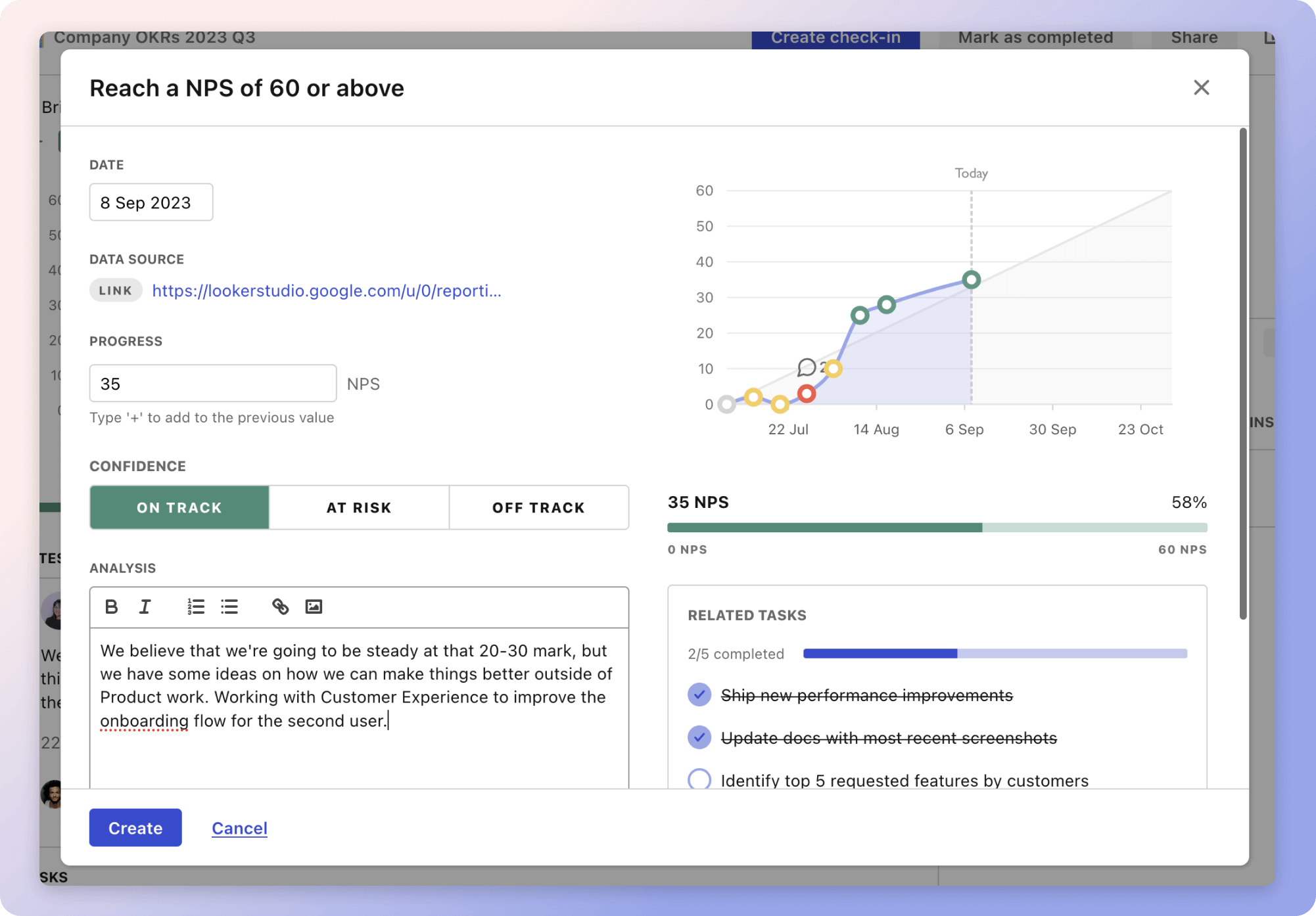 Tability's check-ins will save you hours and increase transparency
More metrics recently published
We have more examples to help you below.
 The best metrics for Increase Calls Through Google My Business
- The best metrics for GRC MSSP Compliance
- The best metrics for Reduce Courier Costs
- The best metrics for Reducing Courier Costs
- The best metrics for Operations Management Success
- The best metrics for Ensuring sticker quality
Planning resources
OKRs are a great way to translate strategies into measurable goals. Here are a list of resources to help you adopt the OKR framework:
- To learn: What are OKRs? The complete 2024 guide
- Blog posts: ODT Blog
- Success metrics: KPIs examples