What are Improvement metrics?
Finding the right Improvement metrics can seem daunting, particularly when you're focused on your daily workload. For this reason, we've compiled a selection of examples to fuel your inspiration.
Copy these examples into your preferred app, or you can also use Tability to keep yourself accountable.
Find Improvement metrics with AI
While we have some examples available, it's likely that you'll have specific scenarios that aren't covered here. You can use our free AI metrics generator below to generate your own strategies.
Examples of Improvement metrics and KPIs
Metrics for Reprocessed Plastic Recycling
1. Annual Sales Volume
The total quantity of plastic products sold within a year
What good looks like for this metric: 10,000 MT in 2025, increasing to 50,000 MT by 2035
Ideas to improve this metric- Expand market reach through marketing
- Increase product quality to boost sales
- Enhance sales team training and incentives
- Identify and target key industries needing plastic
- Collaborate with international partners
2. Production Yield
The percentage of produced items that meet quality standards
What good looks like for this metric: 95% in 2025, aiming for 99% by 2035
Ideas to improve this metric- Implement quality checks at each production phase
- Invest in modern machinery and technology
- Train employees on quality control processes
- Conduct regular maintenance on equipment
- Incorporate lean manufacturing practices
3. Customer Retention Rate
The percentage of customers who continue to buy over time
What good looks like for this metric: 80% in 2025, increasing to 95% by 2035
Ideas to improve this metric- Enhance customer service and support
- Implement a loyalty program
- Regularly seek customer feedback for improvements
- Offer personalized deals and discounts
- Ensure high product quality and consistency
4. Cost per Metric Tonne (MT)
The cost incurred to produce one metric tonne of plastic
What good looks like for this metric: 10% reduction by 2026, aiming for 20% reduction by 2035
Ideas to improve this metric- Streamline procurement processes
- Negotiate better deals with suppliers
- Optimize production scheduling for efficiency
- Minimize waste during production
- Utilize energy-efficient machinery
5. Training Hours per Employee
The average number of hours each employee spends in training annually
What good looks like for this metric: 20 hours in 2025, increasing to 60 hours by 2035
Ideas to improve this metric- Develop a comprehensive training calendar
- Encourage online and external training sessions
- Introduce mentorship programs
- Link training to career development plans
- Utilize technology for training modules
Metrics for Streamline Operations & Improve Feedback
1. Average Response Time
The average time it takes for support staff to respond to student queries
What good looks like for this metric: 24 hours or less
Ideas to improve this metric- Implement automated responses for common queries
- Provide additional training sessions for support staff
- Utilise CRM software to track response times
- Set goals for individual team members
- Analyse and optimise workflow processes
2. Student Feedback Quality Score
The average rating of feedback provided by mentors as rated by students
What good looks like for this metric: 4.5 out of 5
Ideas to improve this metric- Provide training on giving effective feedback
- Develop a standard feedback template
- Review and discuss feedback in team meetings
- Gather feedback from students on mentor performance
- Conduct regular mentor evaluations
3. First Contact Resolution Rate
Percentage of support queries resolved during the first interaction with support staff
What good looks like for this metric: 70% or higher
Ideas to improve this metric- Conduct root cause analysis on frequently unresolved topics
- Empower staff to make decisions without escalation
- Improve access to solution resources
- Develop a comprehensive FAQ section
- Increasing collaboration with mentors for complex issues
4. Mentor Availability
Measures the average time mentors are available to provide feedback during scheduled office hours
What good looks like for this metric: 85% of scheduled hours
Ideas to improve this metric- Optimise scheduling to align with student needs
- Provide incentives for maintaining high availability
- Introduce flexible working hours for mentors
- Utilise technology to aid remote mentoring sessions
- Increase cross-training for coverage
5. Net Promoter Score (NPS)
A measure of student loyalty and satisfaction based on their likelihood to recommend the training to others
What good looks like for this metric: 70 or above
Ideas to improve this metric- Regularly survey students for feedback
- Improve mentor-student engagement
- Enhance curriculum based on student feedback
- Ensure a seamless onboarding process
- Create a supportive community for student interaction
Metrics for AI Model Performance Evaluation
1. Number of Parameters
Differentiates model size options such as 1 billion (B), 3B, 7B, 14B parameters
What good looks like for this metric: 3B parameters is standard
Ideas to improve this metric- Evaluate the scalability and resource constraints of the model
- Optimise parameter tuning
- Conduct comparative analysis for various model sizes
- Assess trade-offs between size and performance
- Leverage model size for specific tasks
2. Dataset Composition
Percentage representation of data sources: web data, books, code, dialogue corpora, Indian regional languages, and multilingual content
What good looks like for this metric: Typical dataset: 60% web data, 15% books, 5% code, 10% dialogue, 5% Indian languages, 5% multilingual
Ideas to improve this metric- Increase regional and language-specific content
- Ensure balanced dataset for diverse evaluation
- Perform periodic updates to dataset
- Utilise high-quality, curated sources
- Diversify datasets with varying domains
3. Perplexity on Validation Datasets
Measures the predictability of the model on validation datasets
What good looks like for this metric: Perplexity range: 10-20
Ideas to improve this metric- Enhance tokenization methods
- Refine sequence-to-sequence layers
- Adopt better pre-training techniques
- Implement data augmentation
- Leverage transfer learning from similar tasks
4. Inference Speed
Tokens processed per second on CPU, GPU, and mobile devices
What good looks like for this metric: GPU: 10k tokens/sec, CPU: 1k tokens/sec, Mobile: 500 tokens/sec
Ideas to improve this metric- Optimise algorithm efficiency
- Reduce model complexity
- Implement hardware-specific enhancements
- Utilise parallel processing
- Explore alternative deployment strategies
5. Edge-device Compatibility
Evaluates the model's ability to function on edge devices with latency and response quality
What good looks like for this metric: Latency: <200 ms for response generation
Ideas to improve this metric- Optimise for low-resource environments
- Develop compact model architectures
- Incorporate adaptive and scalable quality features
- Implement quantisation and compression techniques
- Perform real-world deployment tests
Metrics for Network Isolation and Adoption
1. Migration Time
Time taken to migrate network infrastructure and services to the isolated network environment
What good looks like for this metric: Less than or equal to 1 day
Ideas to improve this metric- Streamline migration processes
- Use automation tools to reduce manual work
- Conduct trial runs to identify potential issues
- Provide adequate training to the migration team
- Develop clear migration documentation
2. Platform Services in Isolated Network
Percentage of platform services successfully transferred to an isolated network environment
What good looks like for this metric: 100% of services
Ideas to improve this metric- Create a detailed list of all platform services
- Use project management tools for tracking migration progress
- Allocate dedicated resources for network transition tasks
- Regular audit and feedback sessions
- Implement a tracking dashboard for stakeholders
3. Domain Services Migration
Number of domain-specific services migrated to the isolated network
What good looks like for this metric: At least 2 services
Ideas to improve this metric- Identify domain services with highest value impact
- Establish priorities based on current dependencies
- Develop an incremental migration plan
- Test services in the isolated environment iteratively
- Foster collaboration between domain and platform teams
4. Observability Noise Reduction
Rate of noise reduction and signal improvement in observability tools
What good looks like for this metric: Annually decreased noise with improved signals
Ideas to improve this metric- Adopt AI-based noise reduction solutions
- Regularly review and update monitoring configurations
- Implement automated alert tuning mechanisms
- Conduct team workshops on effective data interpretation
- Focus on continuous learning from alert incidents
5. Disaster Recovery Time
Total time required to complete the disaster recovery process
What good looks like for this metric: Complete within 2 days
Ideas to improve this metric- Increase automation in backup/recovery processes
- Develop efficient recovery scripts and workflows
- Invest in better infrastructure for faster processing
- Establish regular disaster recovery drills
- Monitor and optimise AWS usage to reduce limitations
Metrics for Compliance and Improvement
1. Compliance Rate
The ratio of compliant processes or actions to the total processes or actions conducted over a specific period, reflecting the organisation's adherence to regulations.
What good looks like for this metric: 95% compliance is often aimed for
Ideas to improve this metric- Conduct regular compliance audits
- Provide staff training on regulations
- Implement automated compliance tools
- Establish clear compliance protocols
- Engage with regulatory consultants
2. Number of Non-Compliance Incidents
The total count of incidents where regulatory standards were not met over a defined period, indicating potential compliance issues.
What good looks like for this metric: Aim for less than 5 events per quarter
Ideas to improve this metric- Enhance incident monitoring systems
- Review and update compliance policies
- Conduct root cause analysis for incidents
- Encourage a culture of transparency
- Increase accountability measures
3. Audit Findings
Results from internal and external audits that measure adherence to compliance standards and identify areas of improvement.
What good looks like for this metric: Aim for minimal critical findings
Ideas to improve this metric- Perform regular internal audits
- Address audit findings promptly
- Improve communication with auditors
- Create an action plan for each finding
- Incorporate continuous feedback loops
4. Time to Compliance Issue Resolution
The average time taken to resolve compliance issues once they are identified, indicating efficiency and responsiveness.
What good looks like for this metric: Resolve issues within 30 days
Ideas to improve this metric- Develop a priority-based resolution system
- Streamline communication among stakeholders
- Automate follow-up procedures
- Create clear workflows for resolution
- Utilise project management tools
5. Training Completion Rate
The percentage of employees who complete mandatory compliance training, reflecting organisational commitment to compliance education.
What good looks like for this metric: Target 100% completion rate
Ideas to improve this metric- Incentivise training participation
- Offer flexible training schedules
- Utilise engaging training platforms
- Track training progress regularly
- Re-deliver training for non-completers
Metrics for Assessing Data Quality Maturity
1. Percentage of Basic Data Quality Checks Implemented
Measures the proportion of datasets with basic data quality checks applied
What good looks like for this metric: 80% or higher
Ideas to improve this metric- Prioritise the implementation of basic checks on all datasets
- Provide training for team members on basics of data quality
- Allocate resources for implementing basic checks
- Automate basic data quality checks to ensure consistency
- Regularly review and update checklists for basic checks
2. Percentage of Advanced Data Quality Checks Implemented
Measures the proportion of datasets with advanced data quality checks applied
What good looks like for this metric: 60% or higher
Ideas to improve this metric- Identify datasets requiring advanced checks
- Develop a strategic plan for advanced data quality implementations
- Seek external expertise for complex checks
- Increase budget for advanced data quality tools
- Regularly review advanced check requirements
3. Month-Over-Month Improvement in Data Quality Maturity
Tracks the percentage change or improvement in the implementation of data quality checks month-over-month
What good looks like for this metric: 5% increase
Ideas to improve this metric- Set monthly targets to improve data quality metrics
- Analyse bottlenecks from previous months and address them
- Ensure consistent reporting and monitoring of progress
- Incorporate regular feedback loops from data teams
- Recognise and reward teams exceeding targets
4. Data Quality Issue Resolution Time
Measures the average time taken to resolve data quality issues
What good looks like for this metric: Less than 48 hours
Ideas to improve this metric- Streamline issue reporting processes
- Establish clear guidelines for issue prioritisation
- Provide tools and training for faster issue resolution
- Monitor and analyse common issue types
- Implement a rapid response team for data quality issues
5. User Feedback on Data Quality
Collects user feedback regarding the perceived quality and reliability of data
What good looks like for this metric: 80% user satisfaction
Ideas to improve this metric- Conduct regular surveys to gather user feedback
- Engage with users for detailed feedback sessions
- Communicate improvements to users regularly
- Set up feedback loop in data systems
- Address user concerns and demonstrate improvements
Metrics for Profit increase strategies
1. Net Profit Margin
Calculated by dividing net profit by total revenue, expressed as a percentage. It shows how much profit a company makes for each dollar of revenue.
What good looks like for this metric: 10-20%
Ideas to improve this metric- Reduce operational costs
- Increase product prices
- Enhance sales volume
- Improve customer retention
- Optimise supply chain
2. Return on Investment (ROI)
Determines profitability by comparing the gain from an investment to its cost, calculated as (Net Profit / Cost of Investment) x 100.
What good looks like for this metric: 15-25%
Ideas to improve this metric- Choose higher-yield investments
- Reduce investment costs
- Increase revenue from investments
- Enhance marketing strategies
- Improve financial forecasting
3. Gross Profit Margin
Calculated by subtracting cost of goods sold (COGS) from revenue and dividing by revenue, expressed as a percentage, indicating the efficiency of production and pricing.
What good looks like for this metric: 20-40%
Ideas to improve this metric- Negotiate better supplier terms
- Increase production efficiency
- Enhance sales and pricing strategy
- Reduce waste in production
- Control direct labour costs
4. Operating Profit Margin
Measures what proportion of revenue is left as profit after accounting for operating expenses, calculated by dividing operating profit by total revenue.
What good looks like for this metric: 10-15%
Ideas to improve this metric- Streamline operational processes
- Reduce administrative expenses
- Enhance revenue streams
- Focus on core business activities
- Minimise utility and overhead costs
5. Expense Ratio
Expresses the percentage of total expenses to total revenue, highlighting cost management efficiency.
What good looks like for this metric: 60-80%
Ideas to improve this metric- Implement cost-cutting measures
- Monitor expenses regularly
- Automate routine tasks
- Negotiate better vendor contracts
- Outsource non-core processes
Metrics for Enterprise Process Management
1. Process Efficiency Ratio
The ratio of the output value produced to the resources used, indicating the efficiency of processes.
What good looks like for this metric: 80-90%
Ideas to improve this metric- Identify and eliminate bottlenecks
- Automate repetitive tasks
- Streamline workflows
- Conduct regular process audits
- Implement continuous improvement programs
2. Process Cycle Time
The total time taken to complete a process from start to finish.
What good looks like for this metric: Depends on industry standards
Ideas to improve this metric- Analyse and reduce wait times
- Utilise process mapping tools
- Adopt lean management principles
- Use time management software
- Conduct time-motion studies
3. Process Compliance Rate
Percentage of processes that adhere to established procedures and standards.
What good looks like for this metric: 95% or above
Ideas to improve this metric- Regularly train employees on process standards
- Implement compliance checks
- Utilise process management software
- Develop clear process documentation
- Encourage a culture of adherence
4. Employee Productivity Index
Measure of employee output relative to the resources used in a process.
What good looks like for this metric: Varies across industries
Ideas to improve this metric- Set clear performance goals
- Provide regular feedback
- Offer training and development
- Ensure resources are adequate
- Recognise and reward high performance
5. Quality Defect Rate
Percent of outputs that require rework or result in customer complaints.
What good looks like for this metric: Below 5%
Ideas to improve this metric- Implement rigorous quality control
- Provide employee training
- Utilise root cause analysis
- Adopt six sigma methodologies
- Engage with quality assurance teams
Metrics for Wound Care Performance
1. Healing Rate
The percentage of wounds that heal within a specified timeframe
What good looks like for this metric: 70-90% healing within 12 weeks
Ideas to improve this metric- Implement evidence-based treatment protocols
- Provide ongoing staff training
- Enhance patient education on wound care
- Use advanced wound care products
- Conduct regular wound assessments
2. Patient Satisfaction Score
Patients’ satisfaction levels with wound care services received
What good looks like for this metric: Average score of 4.5 out of 5
Ideas to improve this metric- Enhance communication with patients and families
- Reduce wait times for appointments
- Improve clinic or hospital facilities
- Offer personalised care plans
- Gather regular feedback and act on it
3. Infection Rate
The percentage of wounds that become infected post-treatment
What good looks like for this metric: Less than 5% infection rate
Ideas to improve this metric- Follow strict hygiene protocols
- Use antimicrobial dressings
- Educate patients on signs of infection
- Perform regular wound monitoring
- Ensure proper wound cleaning during dressing changes
4. Rehospitalisation Rate
The rate at which patients are readmitted due to wound-related complications
What good looks like for this metric: Below 10%
Ideas to improve this metric- Develop comprehensive discharge plans
- Increase follow-up care and monitoring
- Address any underlying health issues
- Provide patients with detailed wound care instructions
- Use technology to monitor patient progress remotely
5. Cost per Treatment
Average cost incurred per wound care treatment session
What good looks like for this metric: $150-$300 per treatment
Ideas to improve this metric- Standardise treatment protocols
- Use cost-effective supplies
- Minimise unnecessary testing
- Reduce treatment duration with effective interventions
- Negotiate better pricing on supplies
Metrics for Organising daily tasks
1. Task Completion Rate
The percentage of tasks completed out of the total tasks planned for the day, calculated as (Number of completed tasks / Total planned tasks) * 100
What good looks like for this metric: 70-90%
Ideas to improve this metric- Prioritise tasks in order of importance
- Break large tasks into smaller, manageable segments
- Set realistic daily targets
- Eliminate distractions during task activities
- Review daily plan each morning
2. Daily Task Review Time
Amount of time spent reviewing and planning tasks for the next day
What good looks like for this metric: 10-20 minutes
Ideas to improve this metric- Set a specific time each day for review
- Use productivity tools like planners or apps
- Reflect on successful and challenging tasks
- Keep track of recurring tasks
- Engage in short meditative practices to enhance focus
3. Procrastination Level
The amount of time or number of instances daily tasks are delayed or avoided
What good looks like for this metric: Less than 10%
Ideas to improve this metric- Identify and address root causes of procrastination
- Use time-blocking techniques
- Set deadlines for each task
- Reward yourself after completing tasks
- Use a timer to stay focused
4. Task Prioritisation Accuracy
The effectiveness of task prioritisation, measured by the completion of high-priority tasks first
What good looks like for this metric: At least 80% of high-priority tasks completed first
Ideas to improve this metric- Use a priority matrix (e.g., Eisenhower Box)
- Review and adjust priorities as needed
- Set clear criteria for what makes a task high-priority
- Regularly communicate with team or stakeholders
- Analyse the importance vs. urgency of tasks
5. Stress Level Related to Task Management
The self-reported level of stress associated with organising and completing tasks
What good looks like for this metric: Low to moderate levels
Ideas to improve this metric- Practice regular stress management techniques
- Ensure tasks are achievable within the time frame
- Build flexibility into the task schedule
- Take short breaks between tasks
- Seek feedback or assistance if overwhelmed
Metrics for Doughnut Chart Effectiveness
1. Completion Progress
Percentage of the project's or task's progress visualised in the doughnut chart
What good looks like for this metric: Typically aims for 100% by project's end
Ideas to improve this metric- Ensure data accuracy before visualisation
- Update data regularly to reflect current progress
- Use clear and contrasting colours
- Limit the amount of data to avoid clutter
- Provide contextual information or labels
2. Audience Understanding
Percentage of the audience that correctly interprets the doughnut chart
What good looks like for this metric: 85% understanding rate for visualisations
Ideas to improve this metric- Include a legend explaining the chart
- Use annotations or callouts for key data points
- Simplify complex data into more straightforward visuals
- Conduct a test presentation and gather feedback
- Ensure the chart is accessible to all audience members
3. Visual Appeal
Measure of the how visually pleasing the doughnut chart is to the audience
What good looks like for this metric: High engagement and positive feedback from over 75% of viewers
Ideas to improve this metric- Use a consistent and appealing colour palette
- Maintain a balance between data and design
- Ensure the chart is appropriately sized for readability
- Incorporate interactive elements if possible
- Seek graphic design feedback
4. Information Retention
Percentage of information retained by the audience after viewing the chart
What good looks like for this metric: Over 70% retention of key data
Ideas to improve this metric- Highlight key figures and trends within the chart
- Use bite-sized information for easier digestion
- Include a summary or recap of important data
- Engage the audience with interactive features
- Regularly review the chart's impact through surveys
5. Narrative Coherence
How well the doughnut chart complements and enhances the presentation or report
What good looks like for this metric: Cohesive integration leading to smooth presentations
Ideas to improve this metric- Align chart data with the overall narrative
- Use consistent theming between charts and texts
- Ensure clarity in the transition between topics
- Provide story-driven context around numbers
- Regularly refine presentation flow and sequence
Metrics for Vendor Compliance Standards
1. Adherence To Compliance Manual
Percentage of vendors following the guidelines set in the compliance manual
What good looks like for this metric: 90% compliance rate
Ideas to improve this metric- Provide clear and accessible manual
- Conduct regular training sessions
- Implement a feedback system for vendors
- Carry out frequent compliance audits
- Offer incentives for compliance
2. Cleanliness Score
Assessment score based on cleanliness standards maintained by vendors
What good looks like for this metric: Minimum cleanliness score of 85 out of 100
Ideas to improve this metric- Create a standard cleaning checklist
- Set up regular cleaning schedules
- Train staff on effective cleaning techniques
- Use feedback from assessments to improve
- Implement penalties for non-compliance
3. Average Response Time
Mean time taken to address and resolve compliance issues
What good looks like for this metric: Response time under 30 minutes
Ideas to improve this metric- Assign dedicated compliance officers
- Utilise digital tools for real-time reporting
- Set clear priorities for issue resolution
- Conduct regular training on quick resolution strategies
- Review and refine response processes regularly
4. Training Completion Rate
Percentage of vendors completing pre-event compliance training
What good looks like for this metric: 95% completion rate
Ideas to improve this metric- Schedule convenient training times
- Provide online training options
- Emphasise the importance of compliance
- Create engaging training content
- Monitor participation and follow up on absences
5. Vendor Satisfaction Score
Measure of vendor satisfaction with compliance process
What good looks like for this metric: Satisfaction score above 80 out of 100
Ideas to improve this metric- Conduct regular surveys for feedback
- Facilitate open communication channels
- Act on common concerns raised by vendors
- Provide clear benefits of compliance
- Regularly review and update the compliance manual
Metrics for User Satisfaction in Software
1. Customer Satisfaction Score (CSAT)
A measure of user satisfaction based on their responses to a specific question about their experience with the software, usually rated on a scale from 1 to 5.
What good looks like for this metric: Average score of 4.0 or higher
Ideas to improve this metric- Enhance the user interface for better navigation
- Provide regular software updates
- Implement a robust customer support system
- Conduct user training sessions
- Gather direct feedback through surveys
2. Net Promoter Score (NPS)
An index ranging from -100 to 100 that measures users' willingness to recommend the software to others.
What good looks like for this metric: A score of 30 or above
Ideas to improve this metric- Improve software performance and speed
- Create a referral program
- Regularly communicate updates and new features
- Engage with users through polls and forums
- Offer incentives for referrals
3. User Retention Rate
The percentage of users who continue using the software over time, indicating their continued satisfaction.
What good looks like for this metric: Retention rate of over 80%
Ideas to improve this metric- Offer loyalty rewards for longtime users
- Regularly release new features or functionalities
- Ensure easy integration with other software
- Monitor and fix bugs promptly
- Personalize user experiences through AI
4. Average Resolution Time
The average time taken to resolve user-reported issues, reflecting the effectiveness of support services.
What good looks like for this metric: Time under 24 hours
Ideas to improve this metric- Increase the number of support staff
- Offer 24/7 customer support
- Train staff for quicker issue diagnosis
- Leverage AI for support ticket triaging
- Regularly update support knowledge base
5. Software Usability Score
A metric that evaluates users' perceptions of software ease of use, reliability, and performance.
What good looks like for this metric: Scores of 75 or higher
Ideas to improve this metric- Conduct user experience workshops
- Simplify the onboarding process
- Iterate software design based on feedback
- Ensure compatibility with various devices
- Run usability tests regularly
Metrics for Central Line Infection Standards
1. Central Line-Associated Bloodstream Infections (CLABSI) Rate
This metric calculates the number of CLABSIs per 1,000 central line days in a healthcare setting
What good looks like for this metric: 0.8 infections per 1,000 central line days
Ideas to improve this metric- Enhance hand hygiene protocols
- Utilise aseptic techniques during insertion
- Conduct regular staff training on line care
- Implement daily reviews of line necessity
- Use antimicrobial or antiseptic impregnated catheters
2. Compliance with Central Line Bundle
The percentage of adherence to a proven protocol bundle that reduces infection risk during central line placements
What good looks like for this metric: 95% compliance
Ideas to improve this metric- Standardise use of full barrier precautions
- Ensure appropriate skin antiseptic application
- Optimise the line insertion site based on risk
- Introduce audits and feedback systems
- Train staff regularly on bundle compliance
3. Central Line Duration
The average number of days a central line remains in place
What good looks like for this metric: 5-7 days
Ideas to improve this metric- Regularly assess the necessity of each line
- Establish protocols for early removal
- Increase awareness through patient education
- Develop an interdisciplinary line management team
- Use checklists to monitor line use
4. Infection Rate Post-Line Removal
Measures the incidence of infection detected within 48 hours post-central line removal
What good looks like for this metric: Below 5%
Ideas to improve this metric- Monitor signs of infection post-removal
- Improve patient follow-up procedures
- Offer training on signs of potential complications
- Educate patients on post-removal care
- Investigate and address removal technique issues
5. Patient Improvement Post-Implementation
Tracks the improvement in patient health outcomes following the implementation of infection control measures
What good looks like for this metric: Improvement rate above 90%
Ideas to improve this metric- Collect and analyse patient feedback
- Regularly update infection control protocols
- Introduce new control measures based on data
- Facilitate a collaborative care approach
- Invest in continuous staff development
Metrics for Review Process Efficiency
1. Review Cycle Time
The average time taken from the initiation of a review process to its completion
What good looks like for this metric: 2-4 weeks
Ideas to improve this metric- Streamline the review process steps
- Implement deadlines for each review stage
- Utilise automated tools for routine tasks
- Provide training for faster review
- Conduct regular process audits
2. Review Quality Score
A quality score assigned to reviews based on predefined criteria and feedback
What good looks like for this metric: 80-90%
Ideas to improve this metric- Enhance reviewer training programmes
- Develop a detailed review checklist
- Incorporate peer feedback into reviews
- Regularly update review criteria
- Reward high-quality reviews
3. Review Completion Rate
The percentage of reviews completed out of all initiated reviews
What good looks like for this metric: 90%+
Ideas to improve this metric- Set clear roles and responsibilities
- Implement a tracking system for reviews
- Ensure adequate resourcing for review tasks
- Address common delay points in the process
- Regularly review incomplete review reasons
4. Reviewer Utilisation Rate
The percentage of time reviewers spend on review activities out of their total available work time
What good looks like for this metric: 60-80%
Ideas to improve this metric- Balance reviewer workloads effectively
- Provide additional resources during peak times
- Cross-train staff to assist with reviews
- Automate or delegate non-essential reviewer tasks
- Set priorities for review assignments
5. Review Feedback Loop
The percentage of reviews followed by actionable feedback and subsequent improvements
What good looks like for this metric: 70%+
Ideas to improve this metric- Establish a clear feedback protocol
- Encourage open and honest feedback
- Implement a follow-up mechanism for feedback actions
- Regularly review the effectiveness of feedback
- Foster a culture of continuous improvement
Tracking your Improvement metrics
Having a plan is one thing, sticking to it is another.
Having a good strategy is only half the effort. You'll increase significantly your chances of success if you commit to a weekly check-in process.
A tool like Tability can also help you by combining AI and goal-setting to keep you on track.
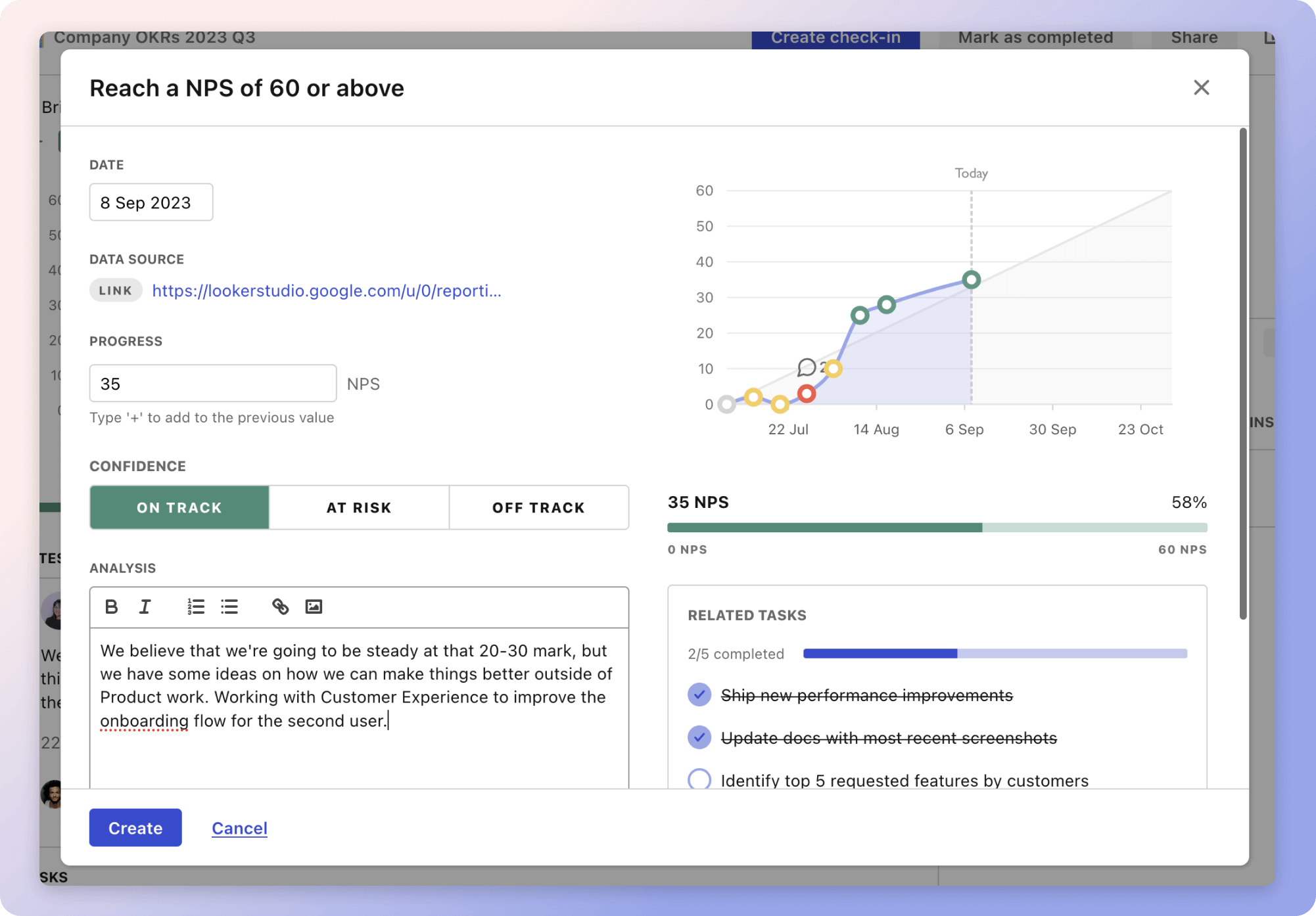 Tability's check-ins will save you hours and increase transparency
More metrics recently published
We have more examples to help you below.
 The best metrics for Increase Calls Through Google My Business
- The best metrics for GRC MSSP Compliance
- The best metrics for Reduce Courier Costs
- The best metrics for Reducing Courier Costs
- The best metrics for Operations Management Success
- The best metrics for Ensuring sticker quality
Planning resources
OKRs are a great way to translate strategies into measurable goals. Here are a list of resources to help you adopt the OKR framework:
- To learn: What are OKRs? The complete 2024 guide
- Blog posts: ODT Blog
- Success metrics: KPIs examples