What are Quality Assurance Manager metrics?
Finding the right Quality Assurance Manager metrics can be daunting, especially when you're busy working on your day-to-day tasks. This is why we've curated a list of examples for your inspiration.
You can copy these examples into your preferred app, or alternatively, use Tability to stay accountable.
Find Quality Assurance Manager metrics with AI
While we have some examples available, it's likely that you'll have specific scenarios that aren't covered here. You can use our free AI metrics generator below to generate your own strategies.
Examples of Quality Assurance Manager metrics and KPIs
Metrics for Packaging Operations Metrics
1. Production Output Rate
The production output rate measures the number of units produced per hour in the production area
What good looks like for this metric: Typical benchmark values range from 80-95 units per hour
Ideas to improve this metric- Increase machine efficiency
- Minimise downtime through regular maintenance
- Optimise worker shifts for maximum coverage
- Implement process automation
- Ensure raw material availability
2. First Pass Yield
First pass yield is the percentage of products that are manufactured correctly without needing rework
What good looks like for this metric: Typical benchmark values are around 90-95%
Ideas to improve this metric- Enhance quality control checks
- Train workers in quality standards
- Reduce variance in input material
- Standardise production processes
- Use automated quality inspection tools
3. Kitting Accuracy
Kitting accuracy measures the percentage of kits that are assembled correctly without errors
What good looks like for this metric: Typical benchmark values are 98-99%
Ideas to improve this metric- Provide detailed kitting instructions
- Use barcode scanning technology
- Regularly audit kitting processes
- Conduct staff training sessions
- Implement an error-proofing system
4. Order Turnaround Time
Order turnaround time is the time taken from order receipt to shipment completion
What good looks like for this metric: A typical benchmark is 24-48 hours
Ideas to improve this metric- Optimise workflow processes
- Enhance line balancing
- Streamline communication with suppliers
- Automate inventory updates
- Prioritise orders based on delivery schedules
5. Waste Reduction Percentage
This metric measures the percentage of waste reduced in the production and kitting processes
What good looks like for this metric: A typical benchmark is 5-10% waste reduction
Ideas to improve this metric- Implement waste reduction programmes
- Reuse and recycle materials
- Train staff on waste management strategies
- Conduct regular waste audits
- Adopt lean manufacturing principles
Metrics for Customer Application Support
1. First Response Time
The average time taken to respond to a customer's initial request for support
What good looks like for this metric: Less than 60 minutes
Ideas to improve this metric- Implement automated response systems
- Prioritise tickets based on urgency
- Train staff on efficient support processes
- Increase staffing during peak times
- Regularly review and adjust response protocols
2. Customer Satisfaction Score (CSAT)
A metric that measures how satisfied customers are with support service provided
What good looks like for this metric: Above 80%
Ideas to improve this metric- Conduct regular feedback surveys
- Provide comprehensive training for support staff
- Implement a robust Quality Assurance process
- Ensure clear communication with customers
- Continuously optimize support processes
3. Resolution Rate
The percentage of customer issues that are resolved upon first contact
What good looks like for this metric: Above 70%
Ideas to improve this metric- Implement a comprehensive knowledge base
- Allow agents access to customer history
- Offer advanced training sessions
- Utilise AI tools for troubleshooting
- Encourage proactive problem resolution
4. Average Resolution Time
The average amount of time taken to resolve a customer's issue
What good looks like for this metric: 2-4 hours
Ideas to improve this metric- Ensure efficient ticket triaging
- Provide agents with advanced tools
- Identify and eliminate bottlenecks
- Streamline communication channels
- Regularly review unresolved cases
5. Net Promoter Score (NPS)
A measure of customer loyalty and how likely they are to recommend the service
What good looks like for this metric: Above 50
Ideas to improve this metric- Focus on enhancing customer experience
- Identify and support brand advocates
- Deliver consistent and reliable service
- Engage in active listening and feedback
- Implement loyalty programmes
Metrics for Monitor finish good leakage
1. Defect Rate
Measures the percentage of defective goods identified during quality checks
What good looks like for this metric: Less than 3%
Ideas to improve this metric- Enhance employee training on quality standards
- Implement stricter inspection protocols
- Utilise advanced detection technology
- Review and refine supplier quality
- Increase frequency of random sampling
2. First Pass Yield
Percentage of products that pass quality checks on the first attempt without rework
What good looks like for this metric: Over 95%
Ideas to improve this metric- Conduct thorough root cause analysis on failures
- Implement process improvements based on collected data
- Regularly maintain and calibrate equipment
- Collaborate with production for consistent quality
- Provide feedback loop for continuous improvement
3. Cost of Quality
Total cost associated with ensuring products meet quality standards
What good looks like for this metric: Less than 10% of total sales
Ideas to improve this metric- Streamline quality control processes to reduce costs
- Invest in automated systems to lower labour costs
- Focus on preventing defects over correcting them
- Improve efficiency in quality testing procedures
- Negotiate with suppliers for better component quality
4. Customer Complaints
Number of complaints received related to product leaks and defects
What good looks like for this metric: Less than 1% of total deliveries
Ideas to improve this metric- Implement real-time feedback systems
- Increase responsiveness to complaints
- Analyse complaint data for common issues
- Involve customers in quality assurance processes
- Develop clear communication channels for feedback
5. Return Rate
Percentage of goods returned due to defects or leakage issues
What good looks like for this metric: Below 2%
Ideas to improve this metric- Enhance packaging techniques to prevent damage
- Conduct thorough pre-shipment inspections
- Offer incentives for defect-free production
- Analyse excessive return patterns
- Incorporate strict documentation control
Metrics for Assessing Data Quality Maturity
1. Percentage of Basic Data Quality Checks Implemented
Measures the proportion of datasets with basic data quality checks applied
What good looks like for this metric: 80% or higher
Ideas to improve this metric- Prioritise the implementation of basic checks on all datasets
- Provide training for team members on basics of data quality
- Allocate resources for implementing basic checks
- Automate basic data quality checks to ensure consistency
- Regularly review and update checklists for basic checks
2. Percentage of Advanced Data Quality Checks Implemented
Measures the proportion of datasets with advanced data quality checks applied
What good looks like for this metric: 60% or higher
Ideas to improve this metric- Identify datasets requiring advanced checks
- Develop a strategic plan for advanced data quality implementations
- Seek external expertise for complex checks
- Increase budget for advanced data quality tools
- Regularly review advanced check requirements
3. Month-Over-Month Improvement in Data Quality Maturity
Tracks the percentage change or improvement in the implementation of data quality checks month-over-month
What good looks like for this metric: 5% increase
Ideas to improve this metric- Set monthly targets to improve data quality metrics
- Analyse bottlenecks from previous months and address them
- Ensure consistent reporting and monitoring of progress
- Incorporate regular feedback loops from data teams
- Recognise and reward teams exceeding targets
4. Data Quality Issue Resolution Time
Measures the average time taken to resolve data quality issues
What good looks like for this metric: Less than 48 hours
Ideas to improve this metric- Streamline issue reporting processes
- Establish clear guidelines for issue prioritisation
- Provide tools and training for faster issue resolution
- Monitor and analyse common issue types
- Implement a rapid response team for data quality issues
5. User Feedback on Data Quality
Collects user feedback regarding the perceived quality and reliability of data
What good looks like for this metric: 80% user satisfaction
Ideas to improve this metric- Conduct regular surveys to gather user feedback
- Engage with users for detailed feedback sessions
- Communicate improvements to users regularly
- Set up feedback loop in data systems
- Address user concerns and demonstrate improvements
Metrics for Ensuring sticker quality
1. Defect Rate
The percentage of stickers that are found to have defects during inspection
What good looks like for this metric: Less than 5%
Ideas to improve this metric- Implement detailed inspection checklists
- Conduct regular staff training sessions
- Enhance quality control processes
- Increase random sampling frequencies
- Utilise automated inspection technology
2. Inspection Time per Unit
The average time taken to inspect each sticker
What good looks like for this metric: 1-2 minutes per sticker
Ideas to improve this metric- Streamline the inspection process
- Provide adequate training for inspectors
- Utilise technology to assist with inspections
- Optimise workflow layout
- Reduce distractions in the inspection area
3. Inspector Error Rate
The rate at which inspectors overlook defects
What good looks like for this metric: Less than 1%
Ideas to improve this metric- Conduct periodic retraining sessions
- Use peer review methods
- Establish a clear feedback loop
- Utilise double-check systems
- Implement incentive programs for accuracy
4. Cost of Inspection
The cost associated with the inspection process per batch of stickers
What good looks like for this metric: 10-15% of production cost
Ideas to improve this metric- Invest in more efficient equipment
- Reduce overtime by optimising schedules
- Train staff to enhance productivity
- Adopt digital record-keeping systems
- Utilise economies of scale in inspection
5. Customer Complaints related to Defects
The number of customer complaints received about sticker defects post-inspection
What good looks like for this metric: Fewer than 2 per 1000 units
Ideas to improve this metric- Enhance communication with customers
- Revise inspection criteria to align with customer expectations
- Implement immediate feedback systems
- Conduct regular customer satisfaction surveys
- Utilise complaints as training points for inspectors
Metrics for Process Improvement
1. Cycle Time
The total time from the beginning to the end of your process, as defined by you and your customer.
What good looks like for this metric: Varies widely by industry
Ideas to improve this metric- Identify and eliminate bottlenecks
- Automate repetitive tasks
- Streamline workflow with software
- Implement continuous feedback loop
- Enhance staff training and skills
2. First Pass Yield
The percentage of products that are manufactured correctly and to specifications the first time without any rework.
What good looks like for this metric: 80-95%
Ideas to improve this metric- Improve employee training programs
- Regularly maintain and calibrate equipment
- Implement quality checks at every stage
- Analyse defect patterns
- Develop clear manufacturing protocols
3. Cost Per Unit
The total expenditure to produce one item or serve one customer, including both fixed and variable costs.
What good looks like for this metric: Industry-specific, varies
Ideas to improve this metric- Negotiate better rates with suppliers
- Optimise production scheduling
- Reduce material waste
- Adopt energy-saving practices
- Invest in more efficient technology
4. Process Efficiency
The percentage of time spent producing value-added work versus non-value-added work.
What good looks like for this metric: 60-80%
Ideas to improve this metric- Use lean methodology
- Map and analyse the process steps
- Reduce waiting times between process steps
- Simplify complex processes
- Train employees in efficiency techniques
5. Customer Satisfaction Rate
Measures how satisfied customers are with a company's products, services, and capabilities.
What good looks like for this metric: 70-80%
Ideas to improve this metric- Solicit regular customer feedback
- Improve customer-facing processes
- Accelerate response time to queries
- Enhance product or service quality
- Personalise customer interactions
Metrics for Product Quality Assurance
1. Defect Rate
This metric is calculated by dividing the number of defective containers by the total quantity of containers shipped, then multiplying by 100 to get a percentage.
What good looks like for this metric: Less than 1%
Ideas to improve this metric- Implement stricter quality control procedures
- Conduct regular training for staff on quality standards
- Invest in better equipment for production
- Regularly review and update product designs
- Engage in more thorough testing before shipping
2. First Pass Yield
Measures the percentage of containers that meet quality standards without any rework or modifications.
What good looks like for this metric: Over 95%
Ideas to improve this metric- Streamline production processes
- Conduct root cause analysis on defects
- Improve supplier quality
- Enhance employee skillset through training
- Use high-quality raw materials
3. Cost of Quality
Sums up all costs associated with preventing, detecting, and rectifying defective units.
What good looks like for this metric: Less than 10% of total sales
Ideas to improve this metric- Automate inspection processes
- Reduce error rates with better technology
- Calculate the cost-benefit ratio of quality improvements
- Monitor quality-related financial data closely
- Focus on prevention over inspection
4. Customer Satisfaction Score
Rate based on customer feedback on the shipped containers' quality.
What good looks like for this metric: Above 85%
Ideas to improve this metric- Improve communication with customers
- Implement feedback systems
- Swiftly address customer complaints
- Regularly update customers on quality improvements
- Personalise customer service interactions
5. Return Rate
Percentage of shipped containers that are returned due to defects.
What good looks like for this metric: Below 2%
Ideas to improve this metric- Improve return policy and management
- Analyse return data for patterns
- Strengthen packaging and shipment processes
- Enhance customer support to handle defects
- Offer incentives for customers to keep products
Metrics for Improving workflows and safety
1. Infection Rate Reduction
The measure of reduction in infection cases reported in the facility after renovations
What good looks like for this metric: A typical benchmark is a 20% reduction in infection rates
Ideas to improve this metric- Conduct regular infection audits
- Ensure proper sanitisation of equipment
- Implement staff training on infection control
- Enhance air filtration systems
- Utilise antimicrobial surfaces
2. Patient Safety Incident Count
Number of safety-related incidents reported per 1,000 patient days
What good looks like for this metric: Aim for fewer than 10 incidents per 1,000 patient days
Ideas to improve this metric- Standardise safety protocols
- Improve staff communication channels
- Introduce safety drills and training
- Enhance surveillance systems
- Regularly update safety guidelines
3. Workflow Efficiency Percentage
Percentage of processes completed within the expected time frame
What good looks like for this metric: Achieving at least 85% on-time process completion
Ideas to improve this metric- Optimise staffing schedules
- Implement workflow management software
- Regularly review and adjust processes
- Conduct time management training
- Utilise feedback to streamline operations
4. Patient Satisfaction Scores
Patients' average satisfaction rating post-renovation
What good looks like for this metric: A target of at least 90% satisfaction
Ideas to improve this metric- Enhance waiting area conditions
- Provide clear communication about changes
- Solicit frequent patient feedback
- Ensure staff are attentive and responsive
- Provide patient education on safety improvements
5. Staff Compliance Rate with Protocols
Percentage of staff compliance with updated infection control protocols
What good looks like for this metric: Aim for at least 95% compliance
Ideas to improve this metric- Incentivise adherence to protocols
- Conduct regular staff assessments
- Provide ongoing training sessions
- Utilise visual reminders and aids
- Implement a peer review system
Metrics for Development Efficiency
1. Lead Time
The amount of time it takes from commit to production release
What good looks like for this metric: 2 to 4 weeks
Ideas to improve this metric- Implement continuous integration and delivery
- Optimise code review processes
- Automate testing procedures
- Reduce work-in-progress limits
- Regularly review and improve deployment pipelines
2. Deployment Frequency
How often the team deploys new changes to production
What good looks like for this metric: Once per day or more
Ideas to improve this metric- Adopt trunk-based development
- Automate deployment processes
- Encourage small, frequent updates
- Reduce feature development cycle time
- Establish a standard release schedule
3. Change Failure Rate
The percentage of changes that result in a failure in production
What good looks like for this metric: 0 to 15 percent
Ideas to improve this metric- Enhance testing procedures
- Conduct thorough post-deployment reviews
- Use feature flags for new releases
- Implement rollback strategies
- Invest in robust monitoring tools
4. Mean Time to Recover
The average time taken to recover from a failure in production
What good looks like for this metric: Less than 1 day
Ideas to improve this metric- Enhance incident response protocols
- Conduct root cause analysis
- Implement automated recovery scripts
- Provide regular training for incident recovery
- Utilise canary releases to minimize impact
5. Code Quality
The quality of code determined by metrics such as cyclomatic complexity, duplication, and adherence to coding standards
What good looks like for this metric: A high percentage of code meeting set standards
Ideas to improve this metric- Conduct regular code reviews
- Use static code analysis tools
- Adhere to coding standards
- Refactor code regularly
- Encourage pair programming
Metrics for Enterprise Process Management
1. Process Efficiency Ratio
The ratio of the output value produced to the resources used, indicating the efficiency of processes.
What good looks like for this metric: 80-90%
Ideas to improve this metric- Identify and eliminate bottlenecks
- Automate repetitive tasks
- Streamline workflows
- Conduct regular process audits
- Implement continuous improvement programs
2. Process Cycle Time
The total time taken to complete a process from start to finish.
What good looks like for this metric: Depends on industry standards
Ideas to improve this metric- Analyse and reduce wait times
- Utilise process mapping tools
- Adopt lean management principles
- Use time management software
- Conduct time-motion studies
3. Process Compliance Rate
Percentage of processes that adhere to established procedures and standards.
What good looks like for this metric: 95% or above
Ideas to improve this metric- Regularly train employees on process standards
- Implement compliance checks
- Utilise process management software
- Develop clear process documentation
- Encourage a culture of adherence
4. Employee Productivity Index
Measure of employee output relative to the resources used in a process.
What good looks like for this metric: Varies across industries
Ideas to improve this metric- Set clear performance goals
- Provide regular feedback
- Offer training and development
- Ensure resources are adequate
- Recognise and reward high performance
5. Quality Defect Rate
Percent of outputs that require rework or result in customer complaints.
What good looks like for this metric: Below 5%
Ideas to improve this metric- Implement rigorous quality control
- Provide employee training
- Utilise root cause analysis
- Adopt six sigma methodologies
- Engage with quality assurance teams
Metrics for Effective Delivery for Waterfall Team
1. Planned vs Actual Delivery Dates
This metric compares the initially planned delivery dates to the actual delivery dates to assess the team's ability to meet deadlines
What good looks like for this metric: 80% of projects delivered on time
Ideas to improve this metric- Conduct detailed planning sessions
- Implement regular progress reviews
- Improve risk management practices
- Enhance communication within the team
- Optimise resource allocation
2. Scope Creep
Measures the changes and additions in the project scope after the project has commenced, indicating how often the team deviates from the original plan
What good looks like for this metric: Less than 5% increase in scope
Ideas to improve this metric- Establish clear project requirements
- Implement strict change control processes
- Engage stakeholders early and often
- Document all changes meticulously
- Maintain a project scope baseline
3. Budget Variance
This metric tracks the difference between the budgeted costs and the actual costs incurred, indicating financial planning accuracy
What good looks like for this metric: Less than 10% budget overrun
Ideas to improve this metric- Conduct thorough budget forecasting
- Monitor expenditures closely
- Implement cost control measures
- Review financial reports regularly
- Optimise purchasing processes
4. Defect Density
Measures the number of defects identified within a certain timeframe or phase of the project, reflecting product quality
What good looks like for this metric: Fewer than 1 defect per 1000 lines of code
Ideas to improve this metric- Enhance testing processes
- Implement automated testing tools
- Provide training on quality standards
- Review code regularly
- Incorporate quality assurance in each phase
5. Customer Satisfaction
Assesses the stakeholders' and customers' satisfaction with the delivered project through surveys and feedback mechanisms
What good looks like for this metric: Customer satisfaction score above 8 out of 10
Ideas to improve this metric- Gather customer feedback regularly
- Act on the feedback received
- Improve stakeholder communication
- Deliver regular project updates
- Ensure project deliverables meet expectations
Metrics for Effective Delivery for Waterfall Team
1. On-Time Delivery Rate
The percentage of projects delivered on or before their scheduled deadlines
What good looks like for this metric: 85-90%
Ideas to improve this metric- Set realistic deadlines based on project complexity
- Utilise Gantt charts for better timeline management
- Track progress regularly against the schedule
- Engage in proactive risk management
- Ensure resource availability and skill alignment
2. Budget Adherence
The percentage of projects completed within the allocated budget
What good looks like for this metric: 85-95%
Ideas to improve this metric- Conduct thorough cost estimation
- Monitor expenses in real-time
- Implement change control procedures
- Secure contingency funds for unforeseen costs
- Regularly review budget utilisation
3. Scope Creep
The amount of unplanned work and changes in scope that occur during the project lifecycle
What good looks like for this metric: Less than 10%
Ideas to improve this metric- Define clear project scope documentation
- Establish a formal change request process
- Engage stakeholders early and often
- Track scope changes meticulously
- Utilise scope management tools
4. Client Satisfaction
The level of client satisfaction measured through surveys and feedback, typically scored on a scale of 1-5
What good looks like for this metric: 4.0 or higher
Ideas to improve this metric- Conduct regular client check-ins
- Act on feedback promptly
- Set realistic client expectations from the start
- Maintain transparent communication
- Deliver all promised features and functionalities
5. Defect Density
The number of defects found per unit of product, often measured per 1,000 lines of code
What good looks like for this metric: Less than 5 defects per 1,000 lines of code
Ideas to improve this metric- Implement thorough testing phases
- Conduct code reviews regularly
- Utilise automated testing tools
- Provide adequate training for developers
- Establish clear coding standards
Metrics for Growing Inflight Catering
1. Customer Satisfaction Score
Measures customer contentment with inflight catering services, typically collected via post-flight surveys
What good looks like for this metric: 80% or higher
Ideas to improve this metric- Enhance meal quality based on feedback
- Offer more meal variety
- Improve meal presentation
- Ensure special dietary options are available
- Train staff on customer service skills
2. Meal Cost per Passenger
Calculates the average expenditure on meals per passenger
What good looks like for this metric: USD 10 to USD 15
Ideas to improve this metric- Negotiate better deals with suppliers
- Use in-season ingredients to reduce costs
- Reduce food wastage by improving forecasting
- Streamline menu options
- Monitor ingredient costs regularly
3. On-time Delivery Rate
The percentage of flights where catering is delivered on time according to schedule
What good looks like for this metric: 95% or higher
Ideas to improve this metric- Optimise supply chain and logistics
- Regularly review delivery schedules
- Implement real-time tracking for deliveries
- Communicate proactively with flight operations
- Conduct regular training for delivery personnel
4. Food Quality Score
Evaluates the taste, freshness, and appeal of the meals based on customer feedback
What good looks like for this metric: 85% or higher
Ideas to improve this metric- Conduct regular taste tests
- Incorporate customer feedback into menu changes
- Invest in high-quality ingredients
- Employ experienced chefs
- Ensure proper food storage and handling procedures
5. Menu Innovation Rate
The frequency at which new items are added to the menu
What good looks like for this metric: Every 3-6 months
Ideas to improve this metric- Research current food trends
- Collaborate with culinary experts
- Gather customer preferences and suggestions
- Trial new dishes before full rollout
- Update the menu with seasonal offerings
Metrics for Halal Accreditation Compliance
1. Non-Conformance Rate
The frequency of non-conformances in Halal standards detected during audits or inspections
What good looks like for this metric: Less than 10 incidents annually
Ideas to improve this metric- Implement regular internal audits
- Provide comprehensive staff training
- Use checklists for routine checks
- Engage external experts for consultation
- Establish a corrective action plan
2. Audit Pass Rate
The percentage of successfully passed Halal compliance audits out of total audits conducted
What good looks like for this metric: Above 90%
Ideas to improve this metric- Conduct mock audits
- Ensure up-to-date documentation
- Set clear compliance instructions
- Regular management reviews
- Invest in audit management software
3. Supplier Halal Compliance Rate
The percentage of suppliers that are compliant with Halal standards out of the total suppliers
What good looks like for this metric: Above 95%
Ideas to improve this metric- Establish strict supplier guidelines
- Require supplier certification
- Conduct supplier audits/reviews
- Communicate regularly with suppliers
- Establish supplier improvement programs
4. Corrective Action Implementation Time
The average time taken to implement corrective actions after a non-conformance is identified
What good looks like for this metric: Within 30 days
Ideas to improve this metric- Prioritise action steps
- Assign dedicated resources
- Monitor progress weekly
- Automate reminders and follow-ups
- Create specific action deadlines
5. Training Completion Rate
The percentage of employees that have completed Halal compliance training out of total employees
What good looks like for this metric: 100%
Ideas to improve this metric- Schedule mandatory training sessions
- Offer e-learning modules
- Incentivise training completion
- Track training progress
- Regularly update training content
Metrics for Software Team Productivity
1. Velocity
Velocity measures the average amount of work a team completes during a sprint, typically calculated by story points.
What good looks like for this metric: 40-60 story points per sprint
Ideas to improve this metric- Break down tasks into smaller units
- Improve sprint planning accuracy
- Conduct regular retrospectives
- Improve skills through training
- Use more efficient tools
2. Cycle Time
Cycle time is the total time from the beginning to the end of a process, measuring how quickly a team can deliver features.
What good looks like for this metric: 1-2 weeks
Ideas to improve this metric- Optimize workflows to remove bottlenecks
- Implement automated testing
- Limit work in progress
- Conduct frequent code reviews
- Improve team collaboration
3. Code Quality
Code quality measures how easy and bug-free the code is, typically tracked through defect rates and code reviews.
What good looks like for this metric: Less than 5% defect rate
Ideas to improve this metric- Implement continuous integration
- Use static code analysis tools
- Conduct code reviews regularly
- Promote pair programming
- Standardise coding practices
4. Deployment Frequency
Deployment frequency is the rate at which a team deploys or releases software, indicating the team’s ability to deliver updates.
What good looks like for this metric: Weekly deployments
Ideas to improve this metric- Automate deployment processes
- Use feature flags
- Ensure robust testing environments
- Implement continuous delivery strategies
- Train team on deployment procedures
5. Customer Satisfaction
Customer satisfaction measures how pleased customers are with the software, often tracked using Net Promoter Score (NPS) or customer feedback.
What good looks like for this metric: NPS score of 50+
Ideas to improve this metric- Gather regular customer feedback
- Incorporate user-friendly features
- Ensure high software reliability
- Implement better customer support
- Regularly update software documentation
Tracking your Quality Assurance Manager metrics
Having a plan is one thing, sticking to it is another.
Having a good strategy is only half the effort. You'll increase significantly your chances of success if you commit to a weekly check-in process.
A tool like Tability can also help you by combining AI and goal-setting to keep you on track.
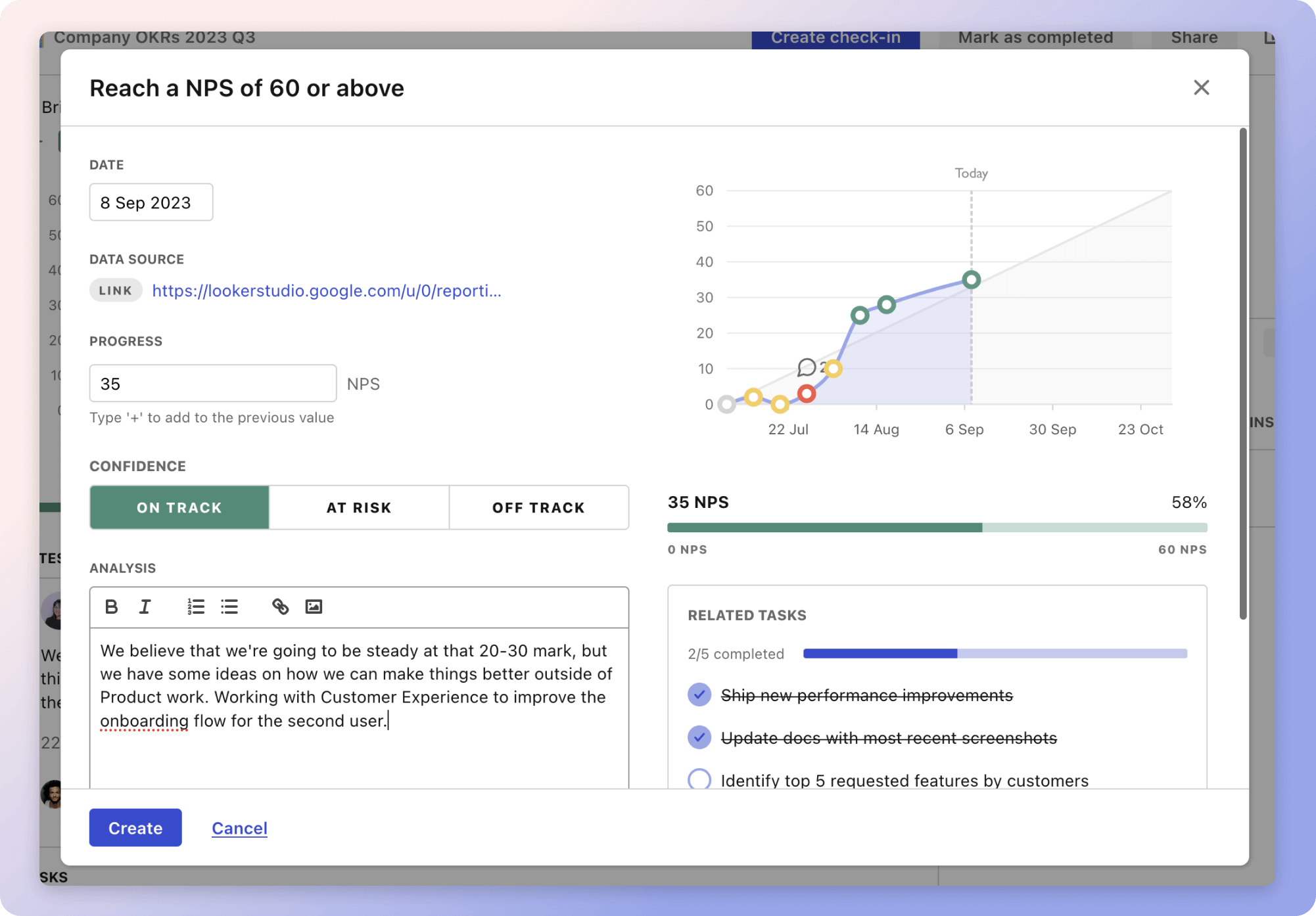 Tability's check-ins will save you hours and increase transparency
More metrics recently published
We have more examples to help you below.
 The best metrics for Increase Calls Through Google My Business
- The best metrics for GRC MSSP Compliance
- The best metrics for Reduce Courier Costs
- The best metrics for Reducing Courier Costs
- The best metrics for Operations Management Success
- The best metrics for Ensuring sticker quality
Planning resources
OKRs are a great way to translate strategies into measurable goals. Here are a list of resources to help you adopt the OKR framework:
- To learn: What are OKRs? The complete 2024 guide
- Blog posts: ODT Blog
- Success metrics: KPIs examples