What are Installation Efficiency metrics? Finding the right Installation Efficiency metrics can be daunting, especially when you're busy working on your day-to-day tasks. This is why we've curated a list of examples for your inspiration.
Copy these examples into your preferred app, or you can also use Tability to keep yourself accountable.
Find Installation Efficiency metrics with AI While we have some examples available, it's likely that you'll have specific scenarios that aren't covered here. You can use our free AI metrics generator below to generate your own strategies.
Examples of Installation Efficiency metrics and KPIs 1. Installation Time Time taken from the initiation to the completion of the software module installation
What good looks like for this metric: Typically 1 to 3 hours
Ideas to improve this metric Ensure all prerequisites are met before starting Use automated installation scripts Perform a test installation prior to the actual installation Ensure high-speed internet connection Allocate experienced IT personnel 2. Installation Success Rate Percentage of installations completed without errors
What good looks like for this metric: 95% or higher
Ideas to improve this metric Conduct thorough pre-installation checks Follow a detailed installation guide Keep software and system dependencies updated Use error-checking tools during installation Engage vendor support for troubleshooting 3. User Acceptance Percentage of users satisfied with the new software module post-installation
What good looks like for this metric: 85% or higher satisfaction rate
Ideas to improve this metric Provide comprehensive user training Gather user feedback post-installation Resolve any issues promptly Ensure the software aligns with user needs Encourage user involvement in the testing phase 4. Downtime During Installation Amount of system downtime incurred during the software installation
What good looks like for this metric: Less than 30 minutes
Ideas to improve this metric Schedule installations during off-peak hours Perform installations in stages Develop a backup plan for critical functions Communicate expected downtime to stakeholders Optimise system resources before installation 5. Installation Cost Total cost associated with the installation process, including labor and resources
What good looks like for this metric: $500 to $2,000
Ideas to improve this metric Negotiate service contracts Utilise in-house expertise where possible Opt for bundled service packages Regularly review and optimise resource allocation Plan and budget accurately in advance
← →
1. Quote-to-Order Ratio The ratio of quotes provided by channel partners that convert into actual orders
What good looks like for this metric: 20-30% is typical in the industry
Ideas to improve this metric Enhance the training of channel partners to improve their quoting accuracy Provide better sales tools and materials to channel partners Implement CRM systems to track and analyse quoting patterns Offer incentives for high quote-to-order conversion Regularly review partner performance and provide feedback 2. Lead Time Variance Measures the difference between promised and actual delivery times by channel partners
What good looks like for this metric: 0-10% variance is desirable
Ideas to improve this metric Set clear expectations with channel partners regarding lead times Implement joint planning sessions with partners to align on lead time goals Use demand forecasting tools to better predict lead times Regularly assess and enhance supply chain logistics Promote transparent communication between all parties 3. Order Frequency Per Partner Tracks the number of orders placed by each channel partner over a specific period
What good looks like for this metric: Varies depending on partner size and capacity
Ideas to improve this metric Analyse order patterns to identify potential bottlenecks Foster relationships with high-frequency partners to understand their success Allocate resources to low-frequency partners for support and growth Evaluate and adjust inventory strategies based on order frequency Provide targeted promotions to stimulate ordering 4. Sales Cycle Time The average time it takes for a quote to turn into a closed sale via channel partners
What good looks like for this metric: 21 days is average for the objective scenario
Ideas to improve this metric Identify stages in the sales cycle where delays occur and address them Automate parts of the sales process to reduce cycle time Train channel partners on effective sales techniques Use data analytics to pinpoint areas for process improvement Establish collaborative goals to align efforts with partners 5. Channel Partner Satisfaction Score Measures the level of satisfaction among channel partners regarding their business transactions
What good looks like for this metric: Scores above 80% are preferable
Ideas to improve this metric Conduct surveys to gather feedback from partners Address concerns and implement changes based on feedback Ensure consistent and clear communication channels with partners Create recognition and reward programs for partners Invest in an easy-to-use partner portal for interactions
← →
Tracking your Installation Efficiency metrics Having a plan is one thing, sticking to it is another.
Setting good strategies is only the first challenge. The hard part is to avoid distractions and make sure that you commit to the plan. A simple weekly ritual will greatly increase the chances of success.
A tool like Tability can also help you by combining AI and goal-setting to keep you on track.
More metrics recently published We have more examples to help you below.
Planning resources OKRs are a great way to translate strategies into measurable goals. Here are a list of resources to help you adopt the OKR framework:
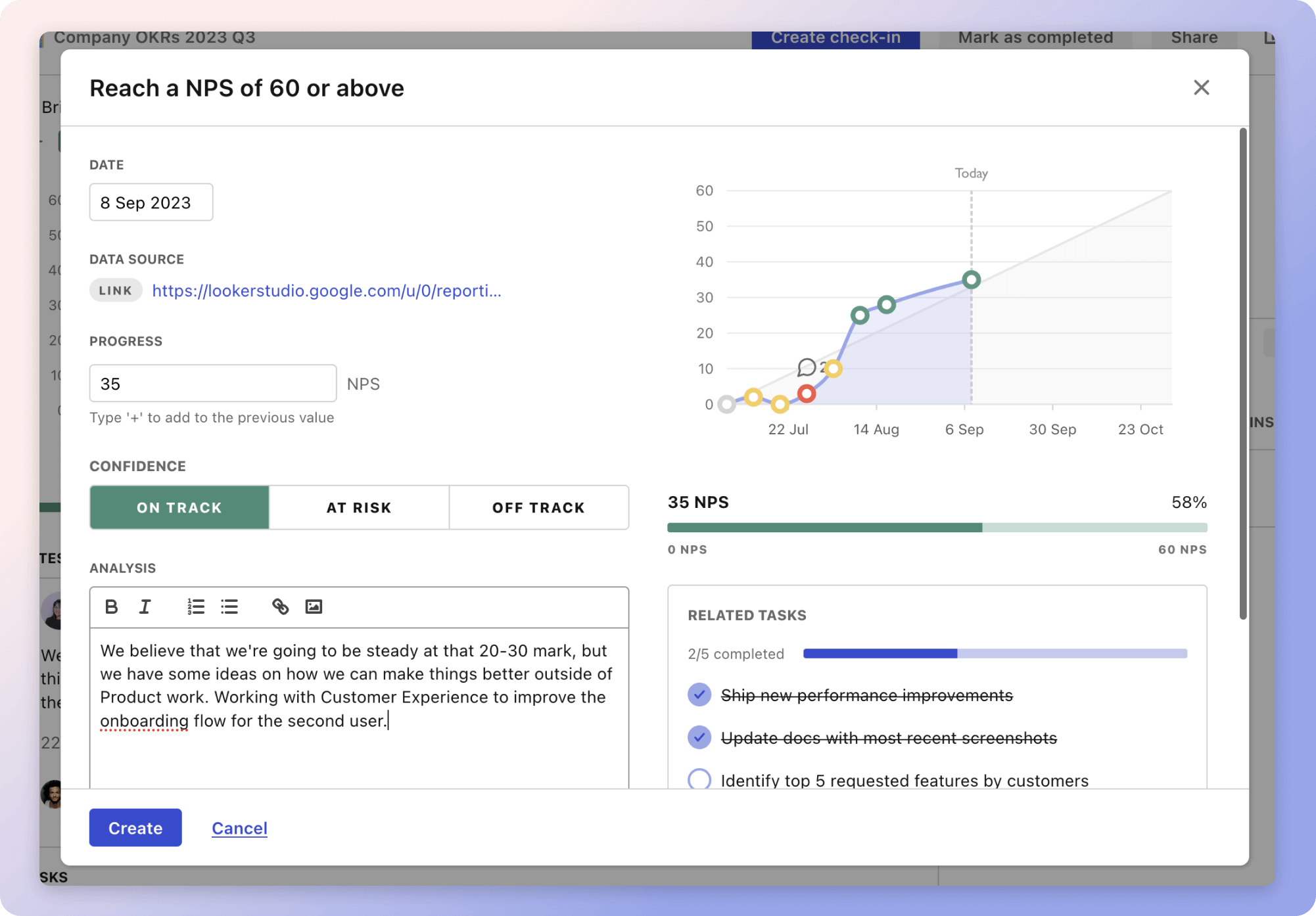 Tability's check-ins will save you hours and increase transparency
 The best metrics for Increase Calls Through Google My Business