What are Software Trainers metrics? Crafting the perfect Software Trainers metrics can feel overwhelming, particularly when you're juggling daily responsibilities. That's why we've put together a collection of examples to spark your inspiration.
Copy these examples into your preferred app, or you can also use Tability to keep yourself accountable.
Find Software Trainers metrics with AI While we have some examples available, it's likely that you'll have specific scenarios that aren't covered here. You can use our free AI metrics generator below to generate your own strategies.
Examples of Software Trainers metrics and KPIs 1. Installation Time Time taken from the initiation to the completion of the software module installation
What good looks like for this metric: Typically 1 to 3 hours
Ideas to improve this metric Ensure all prerequisites are met before starting Use automated installation scripts Perform a test installation prior to the actual installation Ensure high-speed internet connection Allocate experienced IT personnel 2. Installation Success Rate Percentage of installations completed without errors
What good looks like for this metric: 95% or higher
Ideas to improve this metric Conduct thorough pre-installation checks Follow a detailed installation guide Keep software and system dependencies updated Use error-checking tools during installation Engage vendor support for troubleshooting 3. User Acceptance Percentage of users satisfied with the new software module post-installation
What good looks like for this metric: 85% or higher satisfaction rate
Ideas to improve this metric Provide comprehensive user training Gather user feedback post-installation Resolve any issues promptly Ensure the software aligns with user needs Encourage user involvement in the testing phase 4. Downtime During Installation Amount of system downtime incurred during the software installation
What good looks like for this metric: Less than 30 minutes
Ideas to improve this metric Schedule installations during off-peak hours Perform installations in stages Develop a backup plan for critical functions Communicate expected downtime to stakeholders Optimise system resources before installation 5. Installation Cost Total cost associated with the installation process, including labor and resources
What good looks like for this metric: $500 to $2,000
Ideas to improve this metric Negotiate service contracts Utilise in-house expertise where possible Opt for bundled service packages Regularly review and optimise resource allocation Plan and budget accurately in advance
← →
1. Annual Sales Volume The total quantity of plastic products sold within a year
What good looks like for this metric: 10,000 MT in 2025, increasing to 50,000 MT by 2035
Ideas to improve this metric Expand market reach through marketing Increase product quality to boost sales Enhance sales team training and incentives Identify and target key industries needing plastic Collaborate with international partners 2. Production Yield The percentage of produced items that meet quality standards
What good looks like for this metric: 95% in 2025, aiming for 99% by 2035
Ideas to improve this metric Implement quality checks at each production phase Invest in modern machinery and technology Train employees on quality control processes Conduct regular maintenance on equipment Incorporate lean manufacturing practices 3. Customer Retention Rate The percentage of customers who continue to buy over time
What good looks like for this metric: 80% in 2025, increasing to 95% by 2035
Ideas to improve this metric Enhance customer service and support Implement a loyalty program Regularly seek customer feedback for improvements Offer personalized deals and discounts Ensure high product quality and consistency 4. Cost per Metric Tonne (MT) The cost incurred to produce one metric tonne of plastic
What good looks like for this metric: 10% reduction by 2026, aiming for 20% reduction by 2035
Ideas to improve this metric Streamline procurement processes Negotiate better deals with suppliers Optimize production scheduling for efficiency Minimize waste during production Utilize energy-efficient machinery 5. Training Hours per Employee The average number of hours each employee spends in training annually
What good looks like for this metric: 20 hours in 2025, increasing to 60 hours by 2035
Ideas to improve this metric Develop a comprehensive training calendar Encourage online and external training sessions Introduce mentorship programs Link training to career development plans Utilize technology for training modules
← →
Tracking your Software Trainers metrics Having a plan is one thing, sticking to it is another.
Having a good strategy is only half the effort. You'll increase significantly your chances of success if you commit to a weekly check-in process .
A tool like Tability can also help you by combining AI and goal-setting to keep you on track.
More metrics recently published We have more examples to help you below.
Planning resources OKRs are a great way to translate strategies into measurable goals. Here are a list of resources to help you adopt the OKR framework:
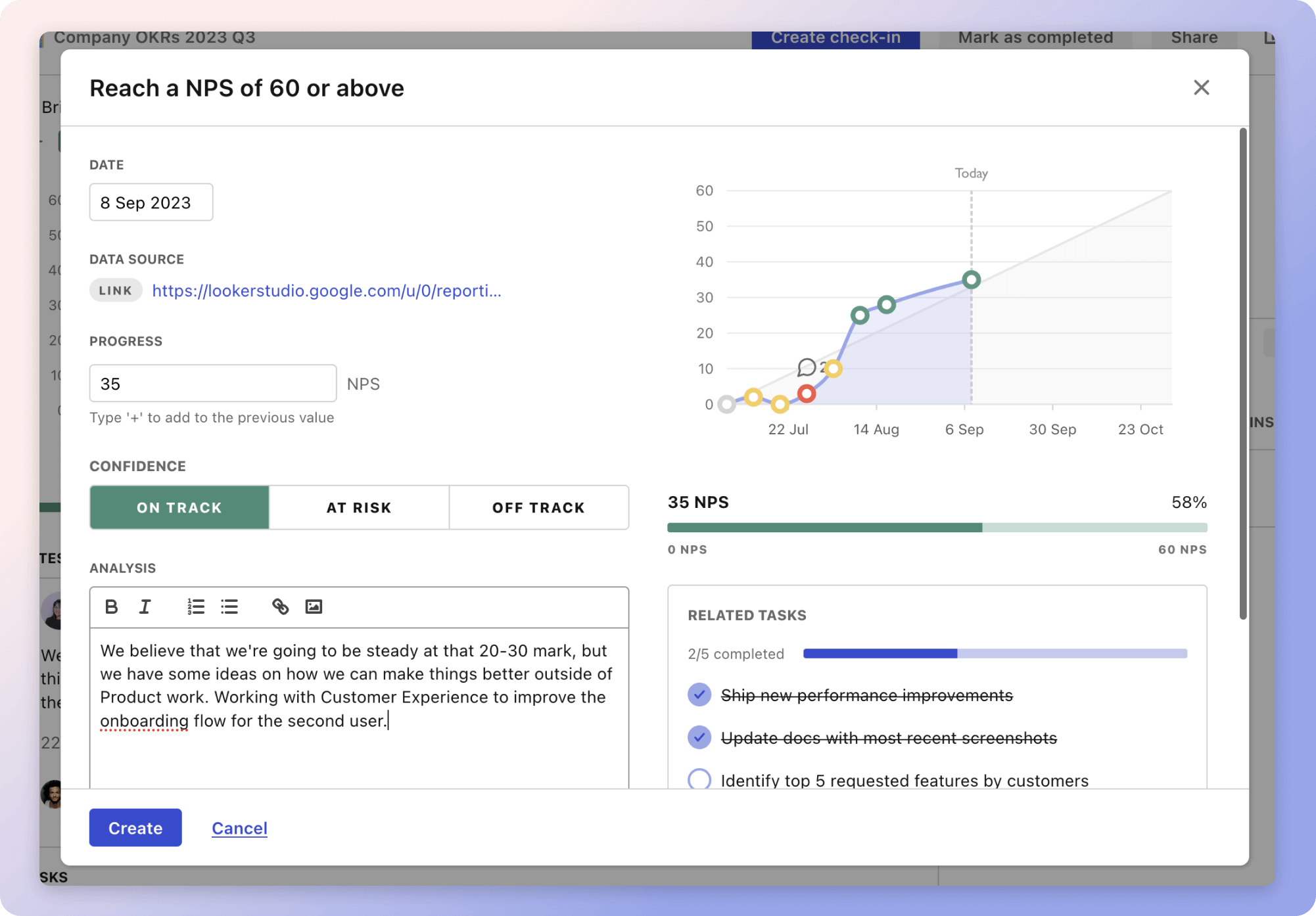 Tability's check-ins will save you hours and increase transparency
 The best metrics for Increase Calls Through Google My Business