Get Tability: OKRs that don't suck | Learn more →

Shipment Costs metrics and KPIs

What are Shipment Costs metrics?

Finding the right Shipment Costs metrics can seem daunting, particularly when you're focused on your daily workload. For this reason, we've compiled a selection of examples to fuel your inspiration.

Copy these examples into your preferred app, or you can also use Tability to keep yourself accountable.

Find Shipment Costs metrics with AI

While we have some examples available, it's likely that you'll have specific scenarios that aren't covered here. You can use our free AI metrics generator below to generate your own strategies.

Examples of Shipment Costs metrics and KPIs

Metrics for Reducing Courier Costs

  • 1. Cost Per Shipment

    Average cost incurred for each shipment sent

    What good looks like for this metric: Benchmark varies depending on industry, generally between $5 to $20

    Ideas to improve this metric
    • Negotiate better rates with couriers
    • Consolidate shipments to fewer dispatches
    • Use multiple carriers to find better rates
    • Opt for slower, cheaper shipping methods where possible
    • Automate label making to reduce errors
  • 2. Delivery Time

    Average time it takes for packages to be delivered

    What good looks like for this metric: Typically 1 to 5 days for standard service

    Ideas to improve this metric
    • Switch to more reliable couriers
    • Enhance route planning
    • Use regional warehouses closer to customers
    • Implement same-day/next-day delivery options
    • Invest in fleet tracking technology
  • 3. Return Rate due to Delivery Issues

    Percentage of shipments returned due to delivery problems

    What good looks like for this metric: Typically below 5%

    Ideas to improve this metric
    • Ensure proper packaging to prevent damage
    • Improve address validation processes
    • Track shipments actively to prevent mishandling
    • Offer customer delivery preferences
    • Enhance customer communication to resolve issues quickly
  • 4. Customer Satisfaction With Delivery

    Rating of customer satisfaction specific to delivery experiences

    What good looks like for this metric: Aim for at least 4 out of 5

    Ideas to improve this metric
    • Provide accurate delivery windows
    • Offer package tracking for customers
    • Enhance customer support responsiveness
    • Seek feedback and implement improvements
    • Ensure product availability aligns with delivery promises
  • 5. Percentage of Late Deliveries

    Ratio of shipments delivered later than the promised date

    What good looks like for this metric: Aim for less than 2%

    Ideas to improve this metric
    • Optimize courier selections based on service levels
    • Monitor cross-border customs processes closely
    • Allocate extra resources during peak seasons
    • Evaluate and streamline internal shipping procedures
    • Use technology to predict and mitigate delays

Tracking your Shipment Costs metrics

Having a plan is one thing, sticking to it is another.

Don't fall into the set-and-forget trap. It is important to adopt a weekly check-in process to keep your strategy agile – otherwise this is nothing more than a reporting exercise.

A tool like Tability can also help you by combining AI and goal-setting to keep you on track.
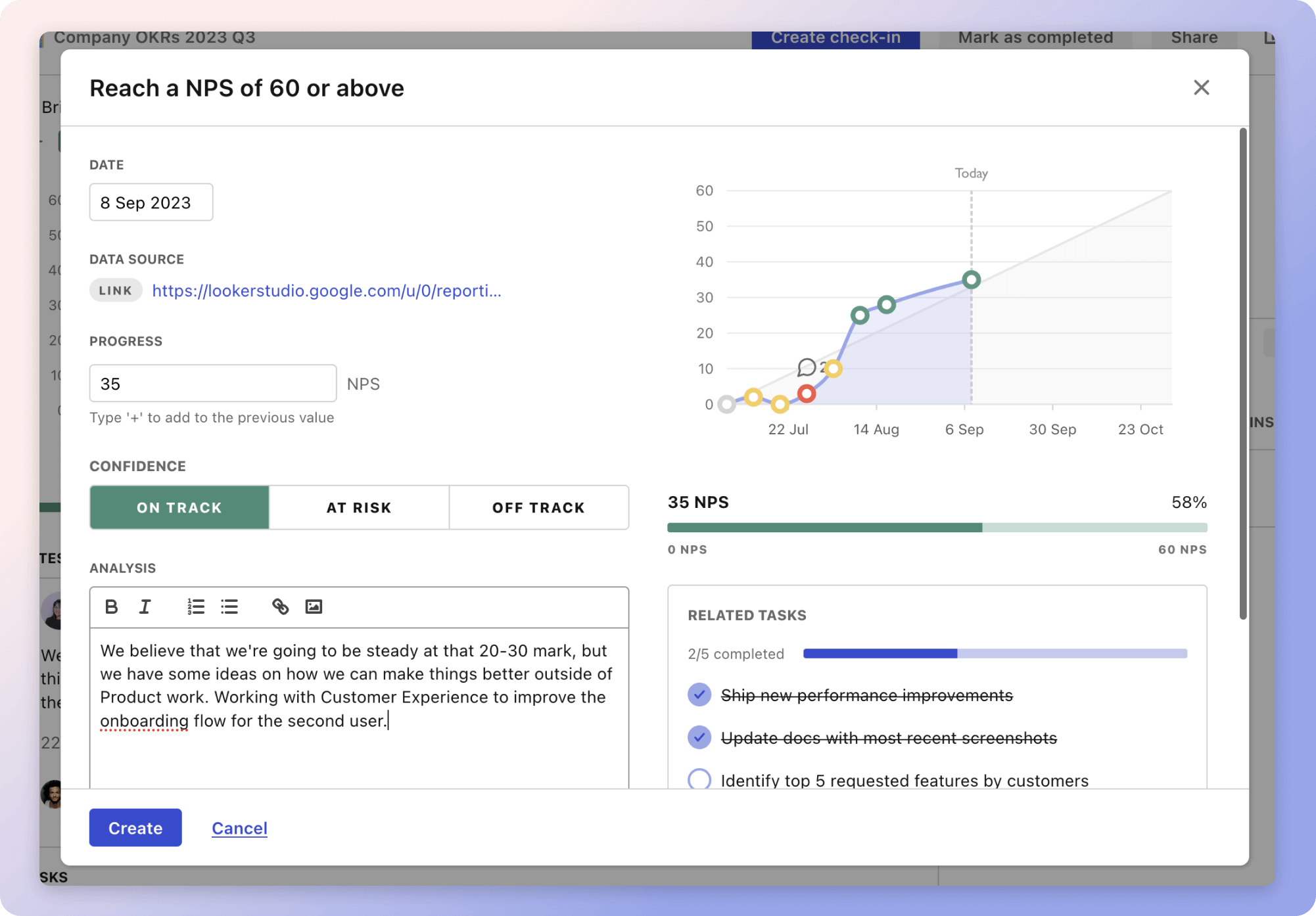
Tability Insights DashboardTability's check-ins will save you hours and increase transparency

More metrics recently published

We have more examples to help you below.

Planning resources

OKRs are a great way to translate strategies into measurable goals. Here are a list of resources to help you adopt the OKR framework:

Table of contents