Get Tability: OKRs that don't suck | Learn more →

Average Resolution Time metrics and KPIs

What are Average Resolution Time metrics?

Finding the right Average Resolution Time metrics can be daunting, especially when you're busy working on your day-to-day tasks. This is why we've curated a list of examples for your inspiration.

You can copy these examples into your preferred app, or alternatively, use Tability to stay accountable.

Find Average Resolution Time metrics with AI

While we have some examples available, it's likely that you'll have specific scenarios that aren't covered here. You can use our free AI metrics generator below to generate your own strategies.

Examples of Average Resolution Time metrics and KPIs

Metrics for L2 Support Team Development

  • 1. Average Resolution Time

    The average time taken to resolve a customer's issue once it has been escalated to the L2 support team

    What good looks like for this metric: 24-48 hours depending on complexity

    Ideas to improve this metric
    • Implement clear escalation protocols
    • Provide advanced training for common issues
    • Utilise automated tools to assist in diagnostics
    • Conduct regular team meetings to discuss complex cases
    • Evaluate individual performance regularly
  • 2. First Contact Resolution Rate

    The percentage of escalated tickets that are resolved without needing further escalation

    What good looks like for this metric: 70-85%

    Ideas to improve this metric
    • Ensure comprehensive knowledge base is available
    • Regularly update FAQs and common issue solutions
    • Implement effective troubleshooting frameworks
    • Provide ongoing training focused on first contact resolution
    • Encourage collaboration and knowledge sharing among team members
  • 3. Customer Satisfaction Score (CSAT)

    A measure of customer satisfaction with their support experience, often gathered through post-resolution surveys

    What good looks like for this metric: 80-90%

    Ideas to improve this metric
    • Enhance communication skills training
    • Follow-up with customers post-resolution for feedback
    • Design clear and concise feedback surveys
    • Offer customer service workshops
    • Address any negative feedback promptly with corrective action
  • 4. Case Backlog

    The number of unresolved cases that get carried over from previous time periods

    What good looks like for this metric: Less than 10% of active cases

    Ideas to improve this metric
    • Optimise workflow management tools
    • Set realistic daily targets for case resolutions
    • Identify peak times and allocate resources accordingly
    • Review complicated cases in team discussions
    • Utilise prioritisation strategies to address high-impact cases first
  • 5. Employee Satisfaction Score

    A measure of the L2 support team's job satisfaction and engagement, often gathered through internal surveys

    What good looks like for this metric: 70-85%

    Ideas to improve this metric
    • Implement recognition and reward programmes
    • Create career development opportunities
    • Hold regular feedback sessions
    • Encourage work-life balance initiatives
    • Foster a supportive and inclusive work environment

Tracking your Average Resolution Time metrics

Having a plan is one thing, sticking to it is another.

Setting good strategies is only the first challenge. The hard part is to avoid distractions and make sure that you commit to the plan. A simple weekly ritual will greatly increase the chances of success.

A tool like Tability can also help you by combining AI and goal-setting to keep you on track.
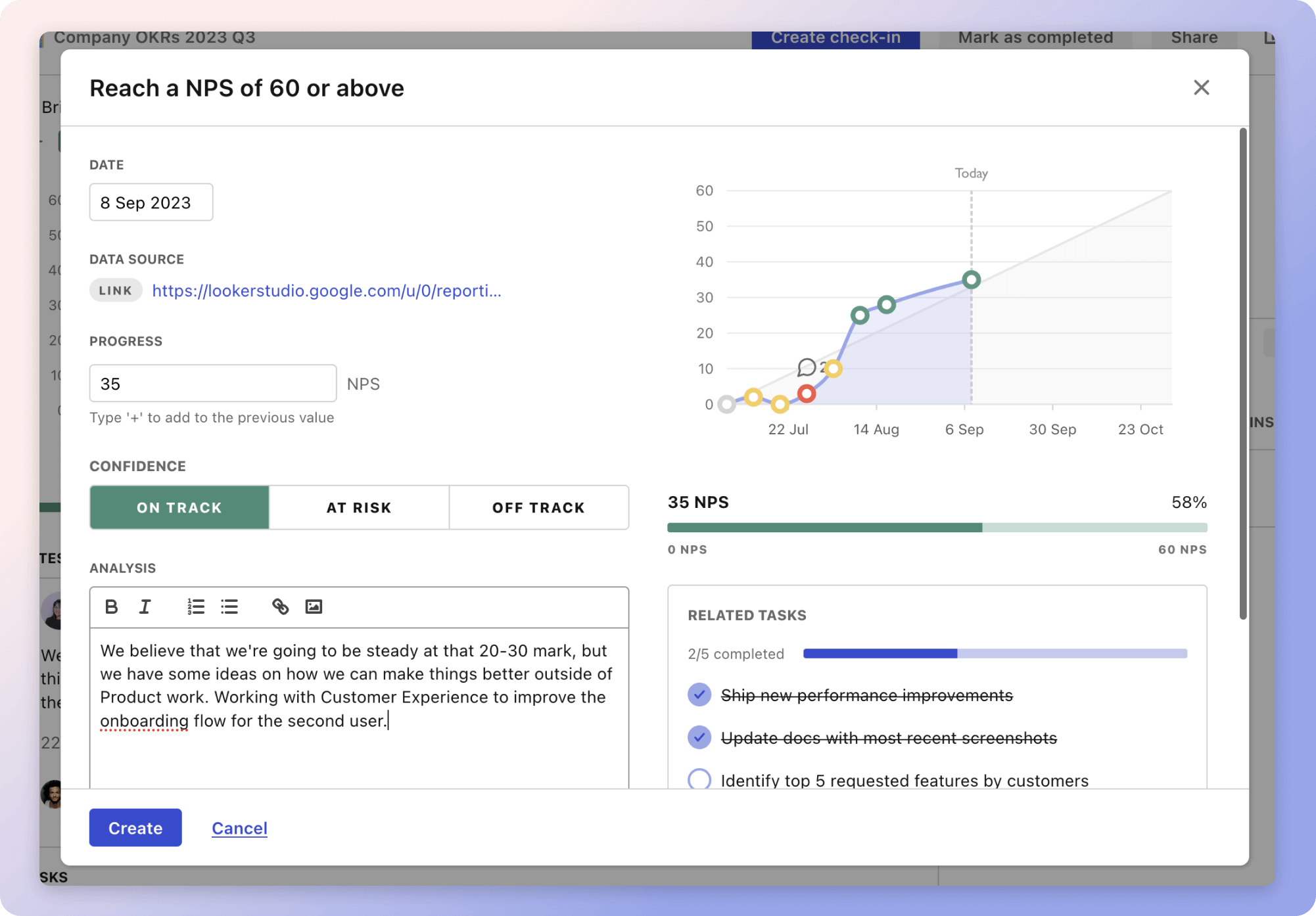
Tability Insights DashboardTability's check-ins will save you hours and increase transparency

More metrics recently published

We have more examples to help you below.

Planning resources

OKRs are a great way to translate strategies into measurable goals. Here are a list of resources to help you adopt the OKR framework:

Table of contents