What are Production Efficiency metrics? Crafting the perfect Production Efficiency metrics can feel overwhelming, particularly when you're juggling daily responsibilities. That's why we've put together a collection of examples to spark your inspiration.
Transfer these examples to your app of choice, or opt for Tability to help keep you on track.
Find Production Efficiency metrics with AI While we have some examples available, it's likely that you'll have specific scenarios that aren't covered here. You can use our free AI metrics generator below to generate your own strategies.
Examples of Production Efficiency metrics and KPIs 1. Annual Sales Volume The total quantity of plastic products sold within a year
What good looks like for this metric: 10,000 MT in 2025, increasing to 50,000 MT by 2035
Ideas to improve this metric Expand market reach through marketing Increase product quality to boost sales Enhance sales team training and incentives Identify and target key industries needing plastic Collaborate with international partners 2. Production Yield The percentage of produced items that meet quality standards
What good looks like for this metric: 95% in 2025, aiming for 99% by 2035
Ideas to improve this metric Implement quality checks at each production phase Invest in modern machinery and technology Train employees on quality control processes Conduct regular maintenance on equipment Incorporate lean manufacturing practices 3. Customer Retention Rate The percentage of customers who continue to buy over time
What good looks like for this metric: 80% in 2025, increasing to 95% by 2035
Ideas to improve this metric Enhance customer service and support Implement a loyalty program Regularly seek customer feedback for improvements Offer personalized deals and discounts Ensure high product quality and consistency 4. Cost per Metric Tonne (MT) The cost incurred to produce one metric tonne of plastic
What good looks like for this metric: 10% reduction by 2026, aiming for 20% reduction by 2035
Ideas to improve this metric Streamline procurement processes Negotiate better deals with suppliers Optimize production scheduling for efficiency Minimize waste during production Utilize energy-efficient machinery 5. Training Hours per Employee The average number of hours each employee spends in training annually
What good looks like for this metric: 20 hours in 2025, increasing to 60 hours by 2035
Ideas to improve this metric Develop a comprehensive training calendar Encourage online and external training sessions Introduce mentorship programs Link training to career development plans Utilize technology for training modules
← →
1. Production Output Rate The production output rate measures the number of units produced per hour in the production area
What good looks like for this metric: Typical benchmark values range from 80-95 units per hour
Ideas to improve this metric Increase machine efficiency Minimise downtime through regular maintenance Optimise worker shifts for maximum coverage Implement process automation Ensure raw material availability 2. First Pass Yield First pass yield is the percentage of products that are manufactured correctly without needing rework
What good looks like for this metric: Typical benchmark values are around 90-95%
Ideas to improve this metric Enhance quality control checks Train workers in quality standards Reduce variance in input material Standardise production processes Use automated quality inspection tools 3. Kitting Accuracy Kitting accuracy measures the percentage of kits that are assembled correctly without errors
What good looks like for this metric: Typical benchmark values are 98-99%
Ideas to improve this metric Provide detailed kitting instructions Use barcode scanning technology Regularly audit kitting processes Conduct staff training sessions Implement an error-proofing system 4. Order Turnaround Time Order turnaround time is the time taken from order receipt to shipment completion
What good looks like for this metric: A typical benchmark is 24-48 hours
Ideas to improve this metric Optimise workflow processes Enhance line balancing Streamline communication with suppliers Automate inventory updates Prioritise orders based on delivery schedules 5. Waste Reduction Percentage This metric measures the percentage of waste reduced in the production and kitting processes
What good looks like for this metric: A typical benchmark is 5-10% waste reduction
Ideas to improve this metric Implement waste reduction programmes Reuse and recycle materials Train staff on waste management strategies Conduct regular waste audits Adopt lean manufacturing principles
← →
1. Defect Rate The percentage of stickers that are found to have defects during inspection
What good looks like for this metric: Less than 5%
Ideas to improve this metric Implement detailed inspection checklists Conduct regular staff training sessions Enhance quality control processes Increase random sampling frequencies Utilise automated inspection technology 2. Inspection Time per Unit The average time taken to inspect each sticker
What good looks like for this metric: 1-2 minutes per sticker
Ideas to improve this metric Streamline the inspection process Provide adequate training for inspectors Utilise technology to assist with inspections Optimise workflow layout Reduce distractions in the inspection area 3. Inspector Error Rate The rate at which inspectors overlook defects
What good looks like for this metric: Less than 1%
Ideas to improve this metric Conduct periodic retraining sessions Use peer review methods Establish a clear feedback loop Utilise double-check systems Implement incentive programs for accuracy 4. Cost of Inspection The cost associated with the inspection process per batch of stickers
What good looks like for this metric: 10-15% of production cost
Ideas to improve this metric Invest in more efficient equipment Reduce overtime by optimising schedules Train staff to enhance productivity Adopt digital record-keeping systems Utilise economies of scale in inspection 5. Customer Complaints related to Defects The number of customer complaints received about sticker defects post-inspection
What good looks like for this metric: Fewer than 2 per 1000 units
Ideas to improve this metric Enhance communication with customers Revise inspection criteria to align with customer expectations Implement immediate feedback systems Conduct regular customer satisfaction surveys Utilise complaints as training points for inspectors
← →
1. Downtime Duration Total time the forge machine is non-operational due to unplanned issues
What good looks like for this metric: Typically less than 5% of total operational time
Ideas to improve this metric Conduct regular maintenance checks Invest in predictive maintenance tools Train staff on quick troubleshooting Establish a faster repair protocol Keep critical spare parts in stock 2. Mean Time to Repair (MTTR) Average time taken to repair the forge machine after a failure
What good looks like for this metric: Typically under 4 hours
Ideas to improve this metric Provide advanced repair training Streamline repair documentation Optimise parts retrieval processes Implement a 24/7 repair service Use diagnostic tools for accurate fixes 3. Failure Frequency Number of times the forge machine fails unexpectedly within a specific period
What good looks like for this metric: Ideally fewer than 2 times a month
Ideas to improve this metric Enhance quality control measures Upgrade machine components Perform regular performance testing Use high-quality materials for production Introduce routine inspections 4. Downtime Costs Financial impact due to unplanned downtime, including lost production time and repair expenses
What good looks like for this metric: Generally kept below $10,000 per incident
Ideas to improve this metric Budget for potential downtime Negotiate better rates with service providers Utilise insurance policies Invest in efficient repair technology Implement cost-reduction strategies 5. OEE (Overall Equipment Effectiveness) A measure that combines machine availability, performance, and quality to assess downtime impact
What good looks like for this metric: World-class is considered above 85%
Ideas to improve this metric Increase machine availability Enhance process efficiency Improve product quality standards Align production schedules Continuously monitor performance metrics
← →
1. Defect Rate Measures the percentage of defective goods identified during quality checks
What good looks like for this metric: Less than 3%
Ideas to improve this metric Enhance employee training on quality standards Implement stricter inspection protocols Utilise advanced detection technology Review and refine supplier quality Increase frequency of random sampling 2. First Pass Yield Percentage of products that pass quality checks on the first attempt without rework
What good looks like for this metric: Over 95%
Ideas to improve this metric Conduct thorough root cause analysis on failures Implement process improvements based on collected data Regularly maintain and calibrate equipment Collaborate with production for consistent quality Provide feedback loop for continuous improvement 3. Cost of Quality Total cost associated with ensuring products meet quality standards
What good looks like for this metric: Less than 10% of total sales
Ideas to improve this metric Streamline quality control processes to reduce costs Invest in automated systems to lower labour costs Focus on preventing defects over correcting them Improve efficiency in quality testing procedures Negotiate with suppliers for better component quality 4. Customer Complaints Number of complaints received related to product leaks and defects
What good looks like for this metric: Less than 1% of total deliveries
Ideas to improve this metric Implement real-time feedback systems Increase responsiveness to complaints Analyse complaint data for common issues Involve customers in quality assurance processes Develop clear communication channels for feedback 5. Return Rate Percentage of goods returned due to defects or leakage issues
What good looks like for this metric: Below 2%
Ideas to improve this metric Enhance packaging techniques to prevent damage Conduct thorough pre-shipment inspections Offer incentives for defect-free production Analyse excessive return patterns Incorporate strict documentation control
← →
1. Quote-to-Order Ratio The ratio of quotes provided by channel partners that convert into actual orders
What good looks like for this metric: 20-30% is typical in the industry
Ideas to improve this metric Enhance the training of channel partners to improve their quoting accuracy Provide better sales tools and materials to channel partners Implement CRM systems to track and analyse quoting patterns Offer incentives for high quote-to-order conversion Regularly review partner performance and provide feedback 2. Lead Time Variance Measures the difference between promised and actual delivery times by channel partners
What good looks like for this metric: 0-10% variance is desirable
Ideas to improve this metric Set clear expectations with channel partners regarding lead times Implement joint planning sessions with partners to align on lead time goals Use demand forecasting tools to better predict lead times Regularly assess and enhance supply chain logistics Promote transparent communication between all parties 3. Order Frequency Per Partner Tracks the number of orders placed by each channel partner over a specific period
What good looks like for this metric: Varies depending on partner size and capacity
Ideas to improve this metric Analyse order patterns to identify potential bottlenecks Foster relationships with high-frequency partners to understand their success Allocate resources to low-frequency partners for support and growth Evaluate and adjust inventory strategies based on order frequency Provide targeted promotions to stimulate ordering 4. Sales Cycle Time The average time it takes for a quote to turn into a closed sale via channel partners
What good looks like for this metric: 21 days is average for the objective scenario
Ideas to improve this metric Identify stages in the sales cycle where delays occur and address them Automate parts of the sales process to reduce cycle time Train channel partners on effective sales techniques Use data analytics to pinpoint areas for process improvement Establish collaborative goals to align efforts with partners 5. Channel Partner Satisfaction Score Measures the level of satisfaction among channel partners regarding their business transactions
What good looks like for this metric: Scores above 80% are preferable
Ideas to improve this metric Conduct surveys to gather feedback from partners Address concerns and implement changes based on feedback Ensure consistent and clear communication channels with partners Create recognition and reward programs for partners Invest in an easy-to-use partner portal for interactions
← →
Tracking your Production Efficiency metrics Having a plan is one thing, sticking to it is another.
Don't fall into the set-and-forget trap. It is important to adopt a weekly check-in process to keep your strategy agile – otherwise this is nothing more than a reporting exercise.
A tool like Tability can also help you by combining AI and goal-setting to keep you on track.
More metrics recently published We have more examples to help you below.
Planning resources OKRs are a great way to translate strategies into measurable goals. Here are a list of resources to help you adopt the OKR framework:
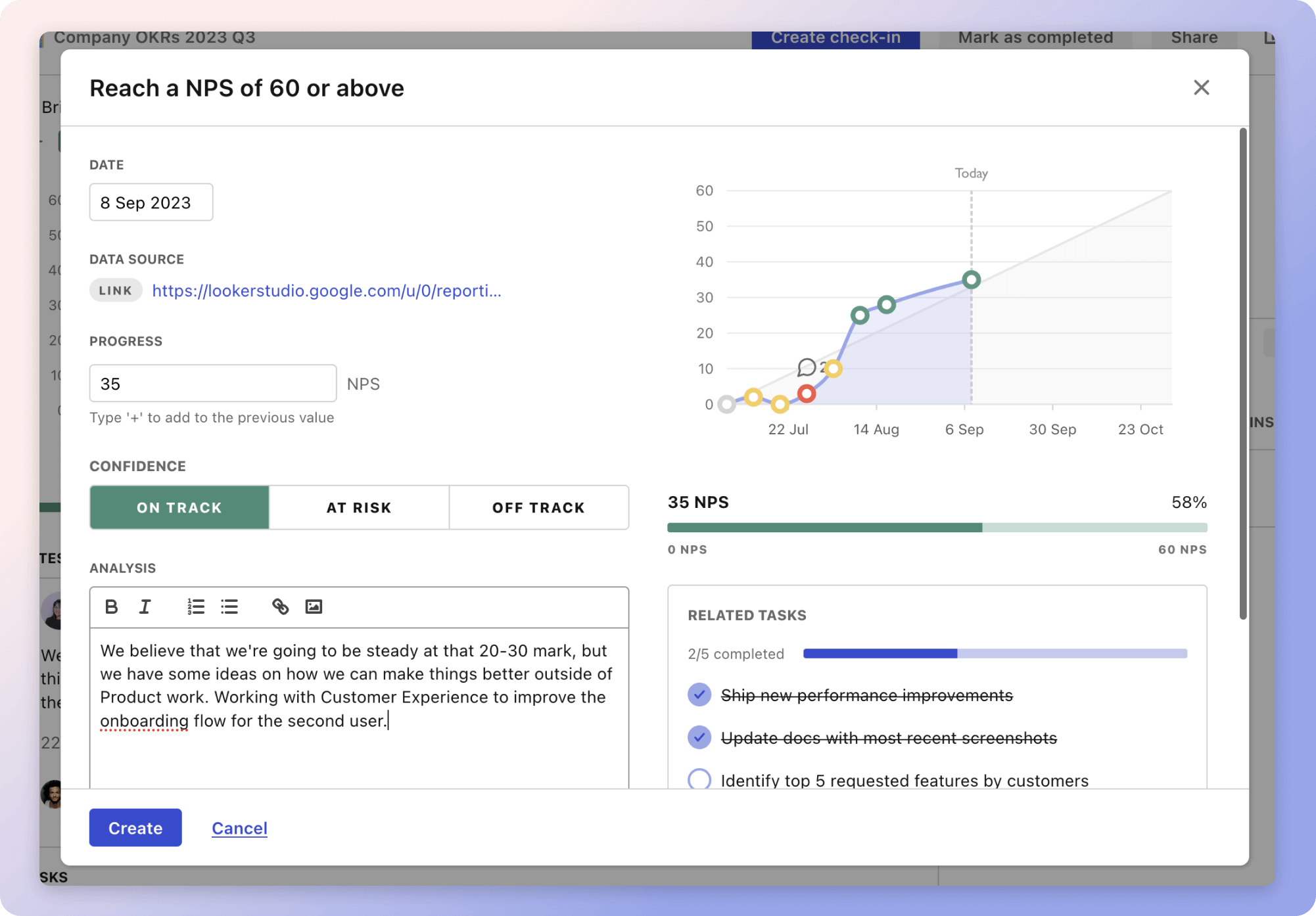 Tability's check-ins will save you hours and increase transparency
 The best metrics for Ensuring sticker quality