The plan focuses on optimizing packaging operations through key metrics. By improving the production output rate, businesses can ensure efficient production processes, with typical benchmarks ranging from 80-95 units per hour. This metric is crucial as it directly impacts productivity and cost management. For example, implementing process automation and regular maintenance aids in reaching these benchmarks.
First pass yield, measuring the percentage of correctly manufactured products without rework, is another critical metric, typically benchmarked at 90-95%. Enhancing quality control and standardizing production processes are essential strategies for this metric to reduce costs associated with defects.
Kitting accuracy impacts the order fulfillment process by ensuring kits are assembled correctly, with benchmark values at 98-99%. Providing detailed kitting instructions and employing barcode technology can enhance accuracy and efficiency.
Order turnaround time is crucial for customer satisfaction, optimally set at 24-48 hours. Streamlining communication and workflow processes enhances this metric. Waste reduction is also vital, with benchmarks of 5-10% waste reduction promoting sustainability and cost-effectiveness.
Top 5 metrics for Packaging Operations Metrics
1. Production Output Rate
The production output rate measures the number of units produced per hour in the production area
What good looks like for this metric: Typical benchmark values range from 80-95 units per hour
How to improve this metric:- Increase machine efficiency
- Minimise downtime through regular maintenance
- Optimise worker shifts for maximum coverage
- Implement process automation
- Ensure raw material availability
2. First Pass Yield
First pass yield is the percentage of products that are manufactured correctly without needing rework
What good looks like for this metric: Typical benchmark values are around 90-95%
How to improve this metric:- Enhance quality control checks
- Train workers in quality standards
- Reduce variance in input material
- Standardise production processes
- Use automated quality inspection tools
3. Kitting Accuracy
Kitting accuracy measures the percentage of kits that are assembled correctly without errors
What good looks like for this metric: Typical benchmark values are 98-99%
How to improve this metric:- Provide detailed kitting instructions
- Use barcode scanning technology
- Regularly audit kitting processes
- Conduct staff training sessions
- Implement an error-proofing system
4. Order Turnaround Time
Order turnaround time is the time taken from order receipt to shipment completion
What good looks like for this metric: A typical benchmark is 24-48 hours
How to improve this metric:- Optimise workflow processes
- Enhance line balancing
- Streamline communication with suppliers
- Automate inventory updates
- Prioritise orders based on delivery schedules
5. Waste Reduction Percentage
This metric measures the percentage of waste reduced in the production and kitting processes
What good looks like for this metric: A typical benchmark is 5-10% waste reduction
How to improve this metric:- Implement waste reduction programmes
- Reuse and recycle materials
- Train staff on waste management strategies
- Conduct regular waste audits
- Adopt lean manufacturing principles
How to track Packaging Operations Metrics metrics
It's one thing to have a plan, it's another to stick to it. We hope that the examples above will help you get started with your own strategy, but we also know that it's easy to get lost in the day-to-day effort.
That's why we built Tability: to help you track your progress, keep your team aligned, and make sure you're always moving in the right direction.
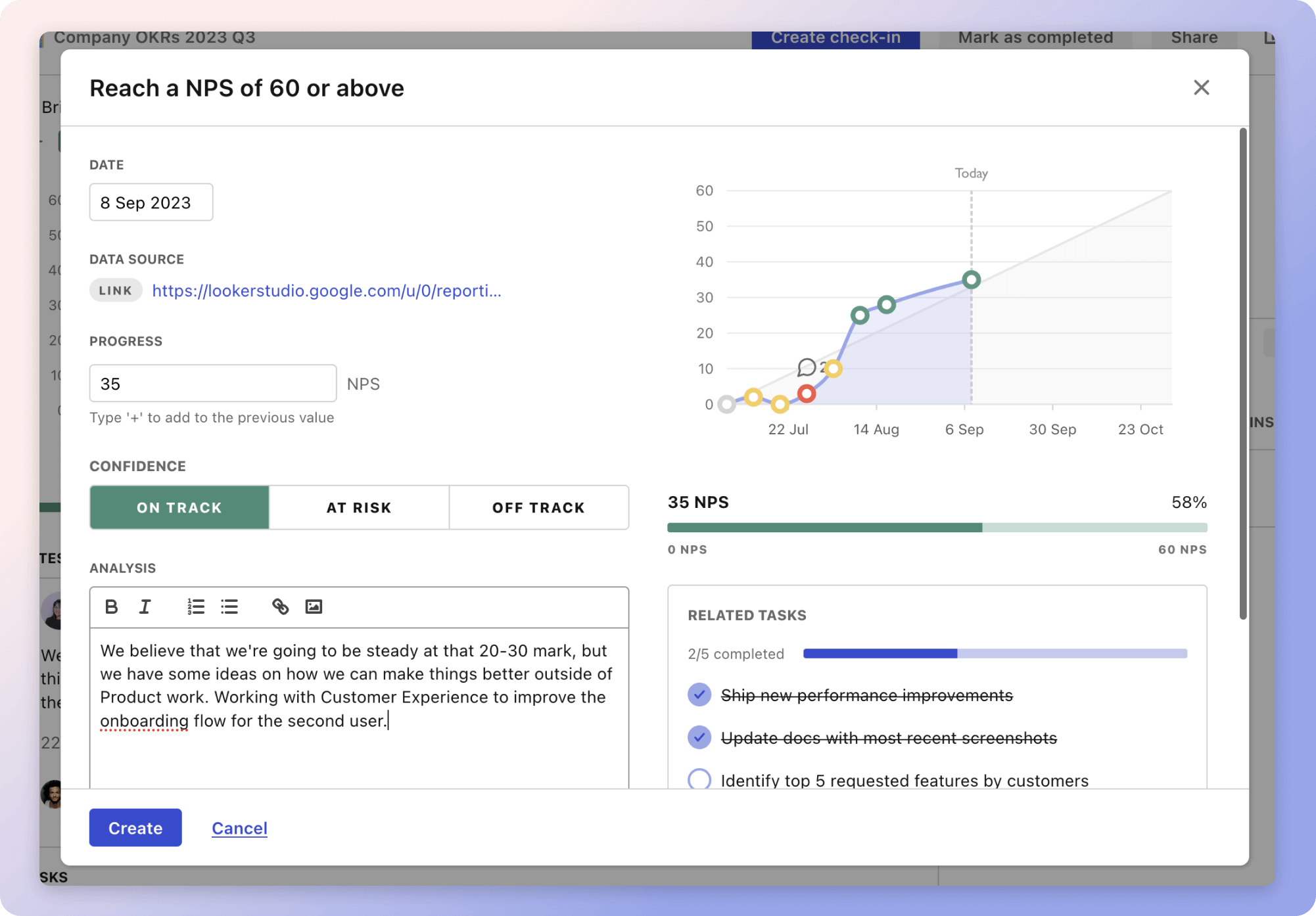
Give it a try and see how it can help you bring accountability to your metrics.
