Get Tability: OKRs that don't suck | Learn more →

2 examples of Recruitment Team metrics and KPIs

What are Recruitment Team metrics?

Finding the right Recruitment Team metrics can be daunting, especially when you're busy working on your day-to-day tasks. This is why we've curated a list of examples for your inspiration.

Copy these examples into your preferred tool, or adopt Tability to ensure you remain accountable.

Find Recruitment Team metrics with AI

While we have some examples available, it's likely that you'll have specific scenarios that aren't covered here. You can use our free AI metrics generator below to generate your own strategies.

Examples of Recruitment Team metrics and KPIs

Metrics for Employee Turnover Analysis

  • 1. Turnover Rate Percentage

    This is calculated by dividing the number of employees who left during a period by the average number of employees during that period, then multiplying by 100

    What good looks like for this metric: 10-15%

    Ideas to improve this metric
    • Enhance employee engagement programmes
    • Improve career development opportunities
    • Conduct regular employee feedback sessions
    • Competitive salary and benefits packages
    • Strengthen company culture and values
  • 2. Voluntary vs Involuntary Turnover

    Compares employees who voluntarily resigned versus those who were terminated

    What good looks like for this metric: Higher voluntary turnover indicates employee dissatisfaction

    Ideas to improve this metric
    • Analyse exit interviews for patterns
    • Identify root causes for turnover
    • Address workplace grievances promptly
    • Implement employee retention strategies
    • Regularly assess job satisfaction levels
  • 3. Average Employee Tenure

    Measures the average length of time employees stay with the company

    What good looks like for this metric: 3-5 years

    Ideas to improve this metric
    • Provide ongoing training and development
    • Offer clear career progression paths
    • Recognize and reward long-term employees
    • Encourage internal mobility
    • Build strong leadership and management
  • 4. Cost of Employee Turnover

    Calculates the cost associated with losing and replacing employees, including recruiting, training, and loss of productivity

    What good looks like for this metric: Typically 33% of an employee's annual salary

    Ideas to improve this metric
    • Invest in effective hiring processes
    • Use retention strategies to reduce turnover
    • Improve onboarding processes
    • Foster a positive work environment
    • Regularly review compensation strategies
  • 5. New Hire Turnover Rate

    Monitors the percentage of new employees who leave within a specific period, usually within the first year
    What good looks like for this metric: 15-20%

    Ideas to improve this metric
    • Strengthen the onboarding experience
    • Ensure realistic job previews during recruitment
    • Provide mentors for new hires
    • Set clear expectations and job roles
    • Communicate effectively with new employees

Metrics for Work Performance Evaluation

  • 1. Daily Call Logs

    The number of calls made or received in a day logged for performance assessment

    What good looks like for this metric: 100 calls per day

    Ideas to improve this metric
    • Set daily or hourly call targets
    • Use scheduling tools to manage call times
    • Incorporate script templates to shorten call times
    • Develop listening skills to enhance understanding
    • Regularly review call outcomes for feedback
  • 2. LinkedIn Reach Outs

    The number of professional connections and messages sent over LinkedIn to potential clients or partners

    What good looks like for this metric: 20 reach outs per day

    Ideas to improve this metric
    • Create personalised messages for each connection
    • Leverage mutual connections for introductions
    • Join relevant LinkedIn groups for expanded reach
    • Post relevant content regularly to increase visibility
    • Set aside dedicated time each day for LinkedIn activities
  • 3. Cost Effectiveness

    The ratio of incentives offered to overall recruit expenses to ensure cost efficiency

    What good looks like for this metric: Incentives below 30% of overall costs

    Ideas to improve this metric
    • Review and adjust incentive plans regularly
    • Seek alternatives like recognition programs instead of financial incentives
    • Analyse cost-benefit of current incentive structures
    • Negotiate better terms with vendors or service providers
    • Implement performance-based incentives
  • 4. Task Completion

    The percentage of tasks completed on time, indicating productivity

    What good looks like for this metric: 95% task completion rate

    Ideas to improve this metric
    • Prioritise tasks using a ranking system
    • Break larger tasks into smaller, manageable steps
    • Utilise project management tools to track progress
    • Set tight deadlines and adhere to them
    • Delegate tasks where possible to ensure efficiency
  • 5. Onboarded Recruits

    The number of new hires successfully onboarded within a specified time frame

    What good looks like for this metric: 5 new recruits onboarded per month

    Ideas to improve this metric
    • Streamline onboarding documentation processes
    • Provide detailed training sessions for recruits
    • Ensure all team members are prepared to support new hires
    • Offer feedback sessions to address recruit difficulties
    • Regularly update onboarding procedures

Tracking your Recruitment Team metrics

Having a plan is one thing, sticking to it is another.

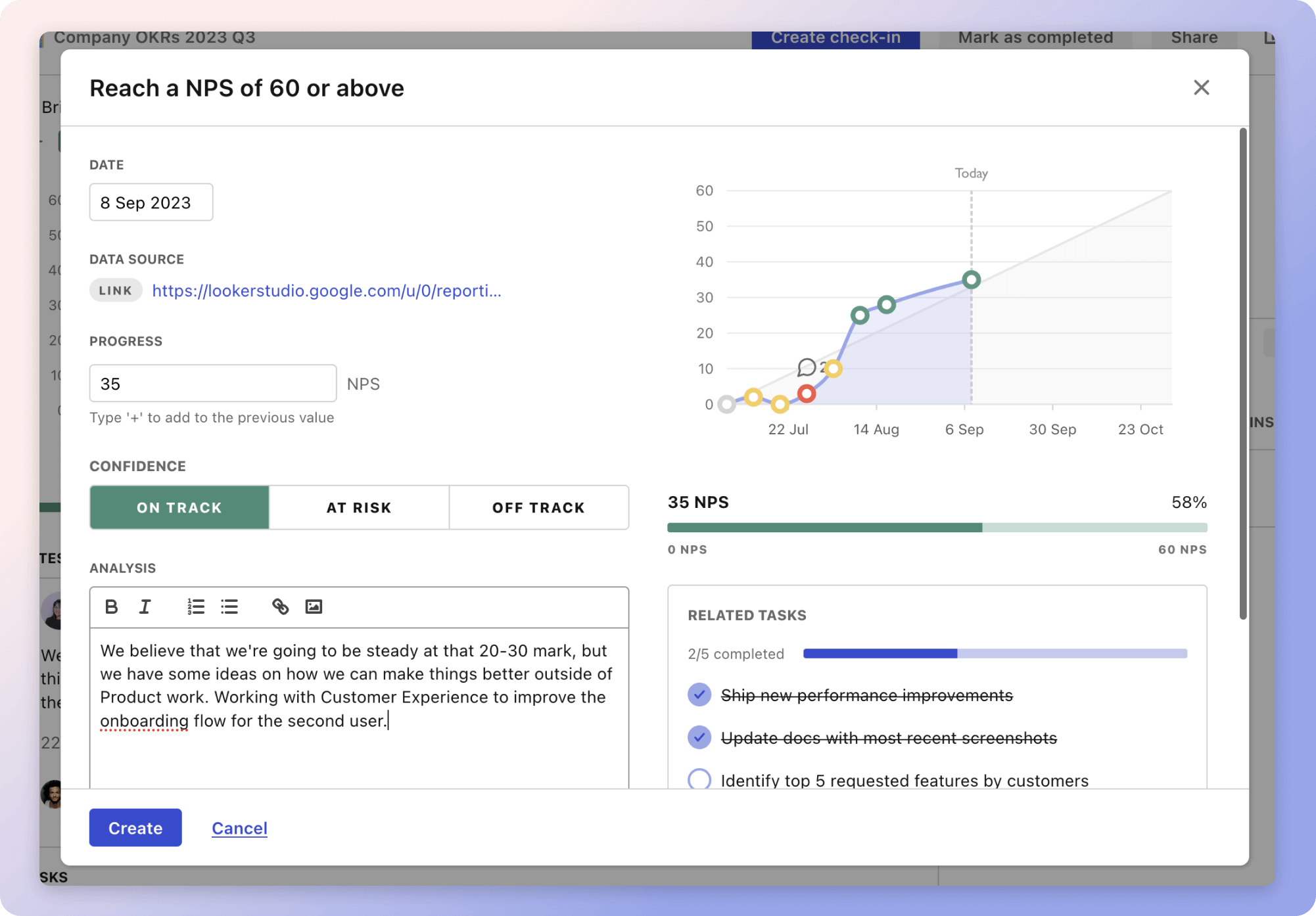
Having a good strategy is only half the effort. You'll increase significantly your chances of success if you commit to a weekly check-in process.

A tool like Tability can also help you by combining AI and goal-setting to keep you on track.

Tability Insights DashboardTability's check-ins will save you hours and increase transparency

More metrics recently published

We have more examples to help you below.

Planning resources

OKRs are a great way to translate strategies into measurable goals. Here are a list of resources to help you adopt the OKR framework:

Table of contents