This plan focuses on enhancing safety training and audits within a company by effectively monitoring key metrics. By tracking the number of employees trained and the completion rate of these sessions, organizations ensure their workforce is well-prepared for maintaining a safe work environment. For instance, offering flexible online training can boost engagement and convenience, helping meet targets.
Audits are another crucial component, with metrics like the number of safety audits completed ensuring thorough evaluation of safety standards. Prioritizing high-risk areas for audits and effectively closing corrective actions identified during these audits further enhances company safety. These metrics matter as they directly contribute to reducing workplace incidents and improving overall safety culture.
Top 5 metrics for Monitoring Safety Training and Audits
1. Number of Employees Trained
Total number of employees who have completed safety training within a specified period
What good looks like for this metric: 100% of employees intended to be trained
How to improve this metric:- Ensure training sessions are scheduled at convenient times
- Increase awareness of the importance of safety training
- Incorporate online training for flexibility
- Track attendance and follow-up for no-shows
- Offer incentives for completion
2. Training Completion Rate
Percentage of employees who have completed the required safety training out of those assigned
What good looks like for this metric: Above 90% completion rate
How to improve this metric:- Set clear deadlines for completion
- Send reminders to employees who have not started or completed
- Provide progress tracking dashboards for employees
- Offer manager support to encourage training
- Evaluate and adapt the training content for engagement
3. Number of Safety Audits Completed
Count of safety audits performed against the planned audits in a specific timeframe
What good looks like for this metric: 100% completion of planned audits
How to improve this metric:- Create a detailed audit plan at the start of the year
- Assign dedicated teams or personnel to conduct audits
- Utilise audit software for tracking progress
- Conduct mid-year reviews to adjust plans if necessary
- Schedule regular audit frequency to prevent backlog
4. Completion vs Plan of Audits
The ratio of completed audits to the number planned within a set duration
What good looks like for this metric: Above 90% completion of planned audits
How to improve this metric:- Prioritise high-risk areas for audits
- Use a checklist to ensure comprehensive coverage
- Identify and remove bottlenecks in the audit process
- Allocate resources specifically for audit completion
- Review past audit completion gaps and make adjustments
5. Corrective Actions Raised and Closed
Number of corrective actions identified during audits and successfully closed
What good looks like for this metric: High percentage (>80%) of corrective actions closed promptly
How to improve this metric:- Set deadlines for corrective action implementation
- Assign accountability for closing actions
- Use tracking systems to follow up on actions
- Provide support and resources for implementing corrective measures
- Regularly review and update the corrective action process
How to track Monitoring Safety Training and Audits metrics
It's one thing to have a plan, it's another to stick to it. We hope that the examples above will help you get started with your own strategy, but we also know that it's easy to get lost in the day-to-day effort.
That's why we built Tability: to help you track your progress, keep your team aligned, and make sure you're always moving in the right direction.
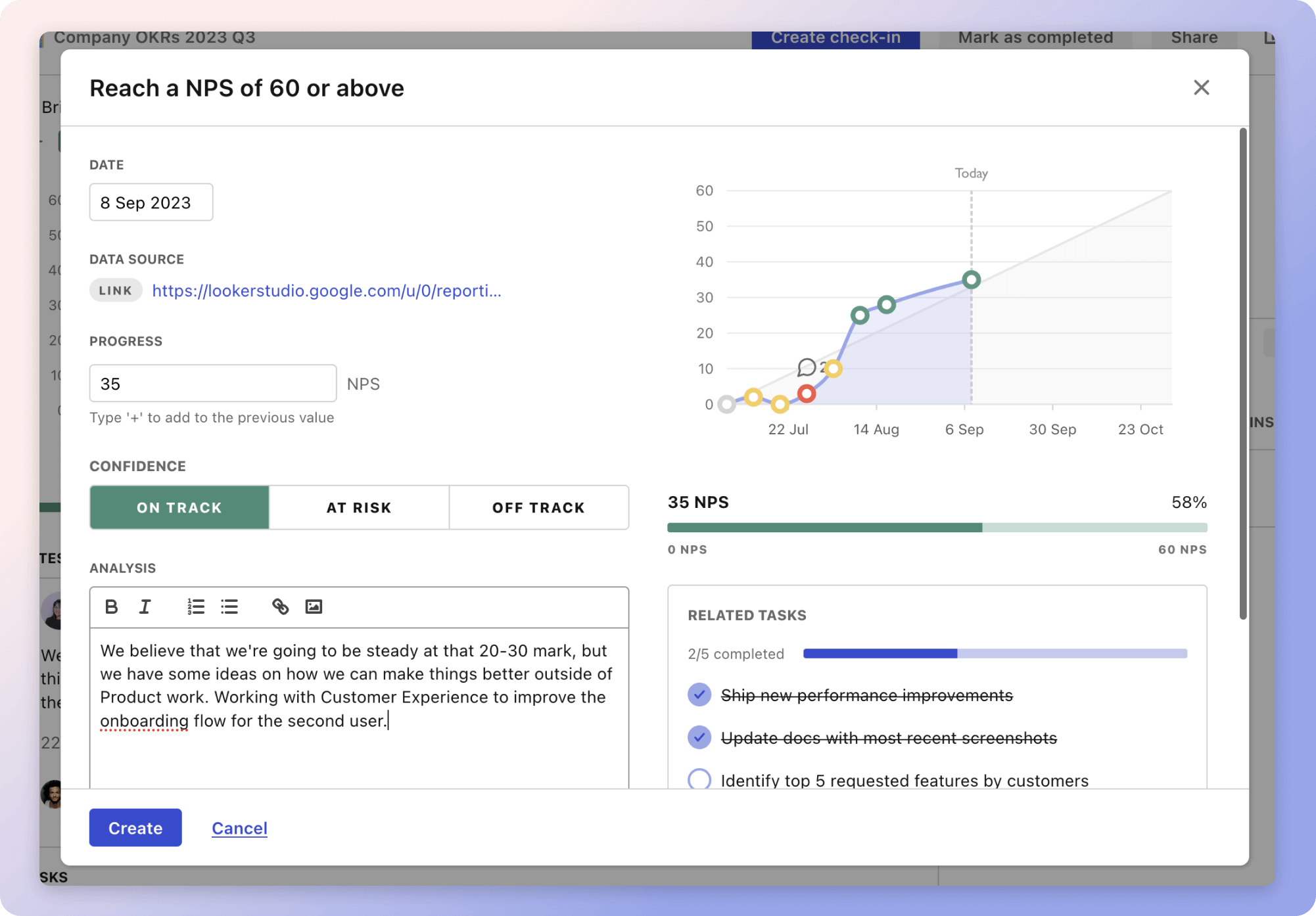
Give it a try and see how it can help you bring accountability to your metrics.
