The objective of this plan is to ensure robust compliance with sanitation procedures, which is pivotal for maintaining health standards and enhancing customer satisfaction. Monitoring these metrics can lead to a cleaner, safer environment and greater operational efficiency. For instance, a high Cleaning Schedule Adherence Rate indicates tasks are performed timely, contributing to overall cleanliness and customer satisfaction. Similarly, achieving a Waste Collection Timeliness of 98% helps in maintaining hygiene standards and preventing waste accumulation.
Tracking the Customer Cleanliness Satisfaction Score offers insights into areas needing improvement from the user's perspective. A focus on reducing Monthly Waste Volume by 5% can significantly lower environmental impact, showcasing a commitment to sustainability. Furthermore, minimizing the Frequency of Cleanliness-Related Noncompliance Incidents fosters a culture of adherence to sanitation standards, resulting in a more compliant environment.
Top 5 metrics for Sanitation Procedure Compliance
1. Cleaning Schedule Adherence Rate
The percentage of scheduled cleaning tasks that are completed on time
What good looks like for this metric: 95% adherence
How to improve this metric:- Regularly monitor cleaning schedules
- Provide regular training for staff
- Implement a reminder system
- Conduct regular inspections
- Establish accountability measures
2. Waste Collection Timeliness
The percentage of scheduled waste collections that occur on time
What good looks like for this metric: 98% on-time collection
How to improve this metric:- Develop efficient waste collection routes
- Increase waste collection frequency
- Communicate collection schedules clearly
- Use technology to track collection
- Engage with vendors about their needs
3. Customer Cleanliness Satisfaction Score
The average score from customer surveys regarding the cleanliness of the area
What good looks like for this metric: Score of 8 out of 10
How to improve this metric:- Request regular feedback from customers
- Promote a culture of cleanliness
- Address complaints promptly
- Highlight areas needing improvement
- Reward staff for consistent cleanliness
4. Monthly Waste Volume Reduction
The percentage decrease in total waste volume over a month
What good looks like for this metric: 5% reduction per month
How to improve this metric:- Implement recycling programmes
- Educate vendors on waste management
- Limit the use of single-use items
- Set waste reduction targets
- Promote reusables among vendors
5. Frequency of Cleanliness-Related Noncompliance Incidents
The number of reported incidents per month related to noncompliance with cleanliness standards
What good looks like for this metric: Less than 2 incidents per month
How to improve this metric:- Identify common noncompliance causes
- Provide targeted training
- Increase awareness of consequences
- Incentivise compliance
- Develop a swift resolution procedure
How to track Sanitation Procedure Compliance metrics
It's one thing to have a plan, it's another to stick to it. We hope that the examples above will help you get started with your own strategy, but we also know that it's easy to get lost in the day-to-day effort.
That's why we built Tability: to help you track your progress, keep your team aligned, and make sure you're always moving in the right direction.
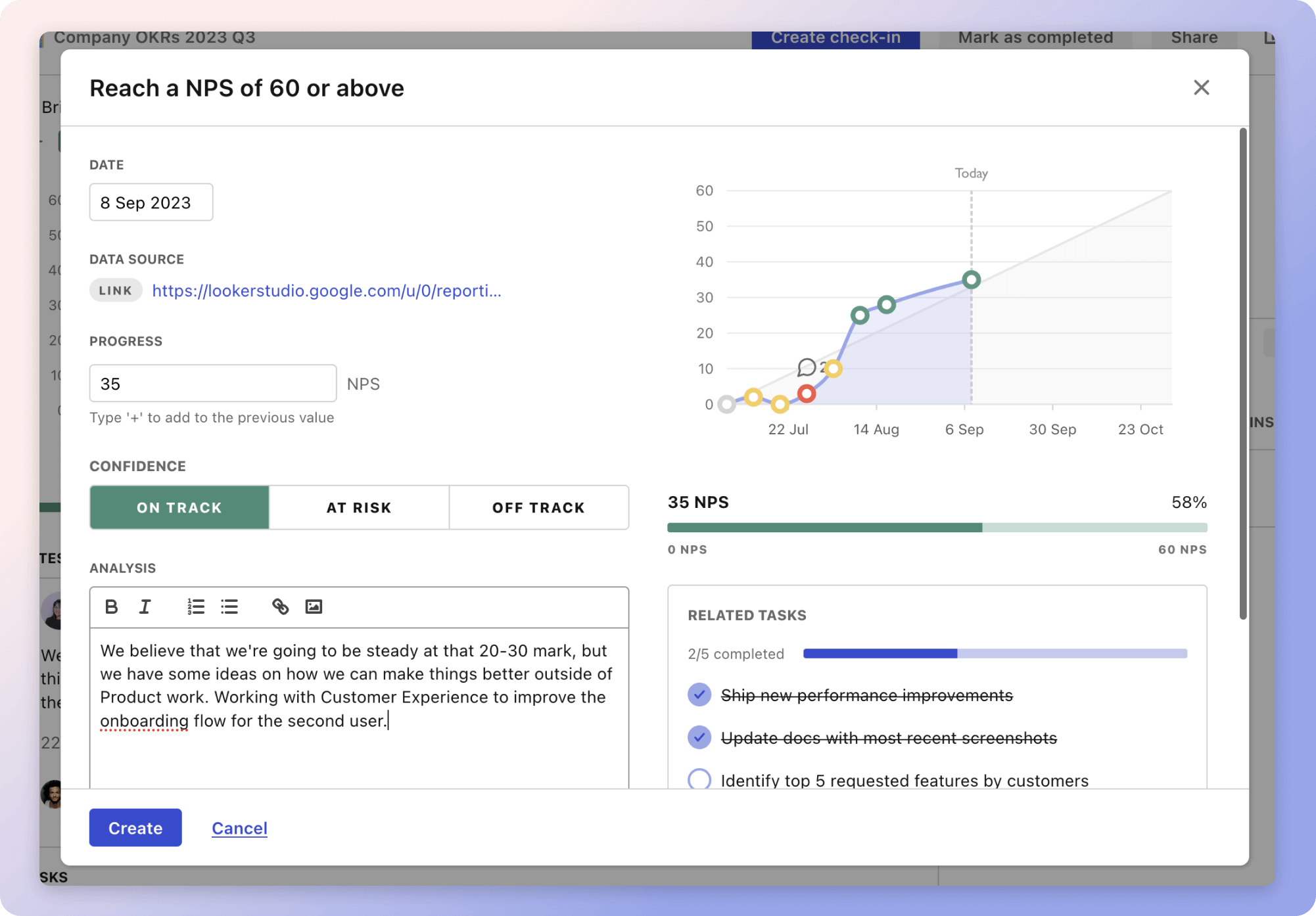
Give it a try and see how it can help you bring accountability to your metrics.
