This plan focuses on enhancing the effectiveness of a Quality Assurance (QA) team by utilizing critical performance metrics. For instance, the Defect Detection Rate is crucial because it highlights the team's capability to identify errors before software delivery, aiming for a benchmark of 80% or higher. Addressing these issues early reduces customer dissatisfaction and increases efficiency.
Another significant metric is the Time to Fix Detected Defects, with targets between 24 to 48 hours, ensuring timely resolution and communication between QA and developers. By optimizing these and other metrics, such as Test Coverage and Technical Debt Identified, the QA team's overall effectiveness is greatly improved, leading to higher quality software production and reduced errors reaching the end users.
Top 5 metrics for Quality Assurance Team Effectiveness
1. Defect Detection Rate
The percentage of defects found by the QA team compared to the total defects found post-development
What good looks like for this metric: 80% or higher
How to improve this metric:- Increase test coverage
- Enhance tester training programmes
- Implement automated testing tools
- Conduct regular code reviews
- Encourage collaboration between developers and testers
2. Time to Detected Defects Fix
Average time it takes to fix defects once they are detected
What good looks like for this metric: 24 to 48 hours
How to improve this metric:- Prioritise defect fixing in sprint planning
- Improve communication between QA and developers
- Automate regression testing
- Use defect tracking tools
- Provide comprehensive defect reports
3. Test Coverage
Percentage of code or functionalities tested by the QA team
What good looks like for this metric: 95% or higher
How to improve this metric:- Automate repeated test cases
- Perform regular gap analysis
- Involve QA early in the development process
- Invest in robust testing tools
- Schedule frequent test plan reviews
4. Technical Debt Identified
Amount of potential rework or improvements identified that could prevent future defects
What good looks like for this metric: Issue-free code
How to improve this metric:- Regularly refactor code
- Use static code analysis tools
- Document known tech debt
- Incorporate tech debt discussion in retrospectives
- Allocate time for tech debt resolution
5. Customer-reported Defects
Number of defects reported by customers after release compared to defects found internally
What good looks like for this metric: Less than 10% of total defects
How to improve this metric:- Conduct thorough user acceptance testing
- Enhance early-stage testing processes
- Foster a customer feedback loop
- Strengthen pre-release testing cycles
- Improve real-time monitoring post-release
How to track Quality Assurance Team Effectiveness metrics
It's one thing to have a plan, it's another to stick to it. We hope that the examples above will help you get started with your own strategy, but we also know that it's easy to get lost in the day-to-day effort.
That's why we built Tability: to help you track your progress, keep your team aligned, and make sure you're always moving in the right direction.
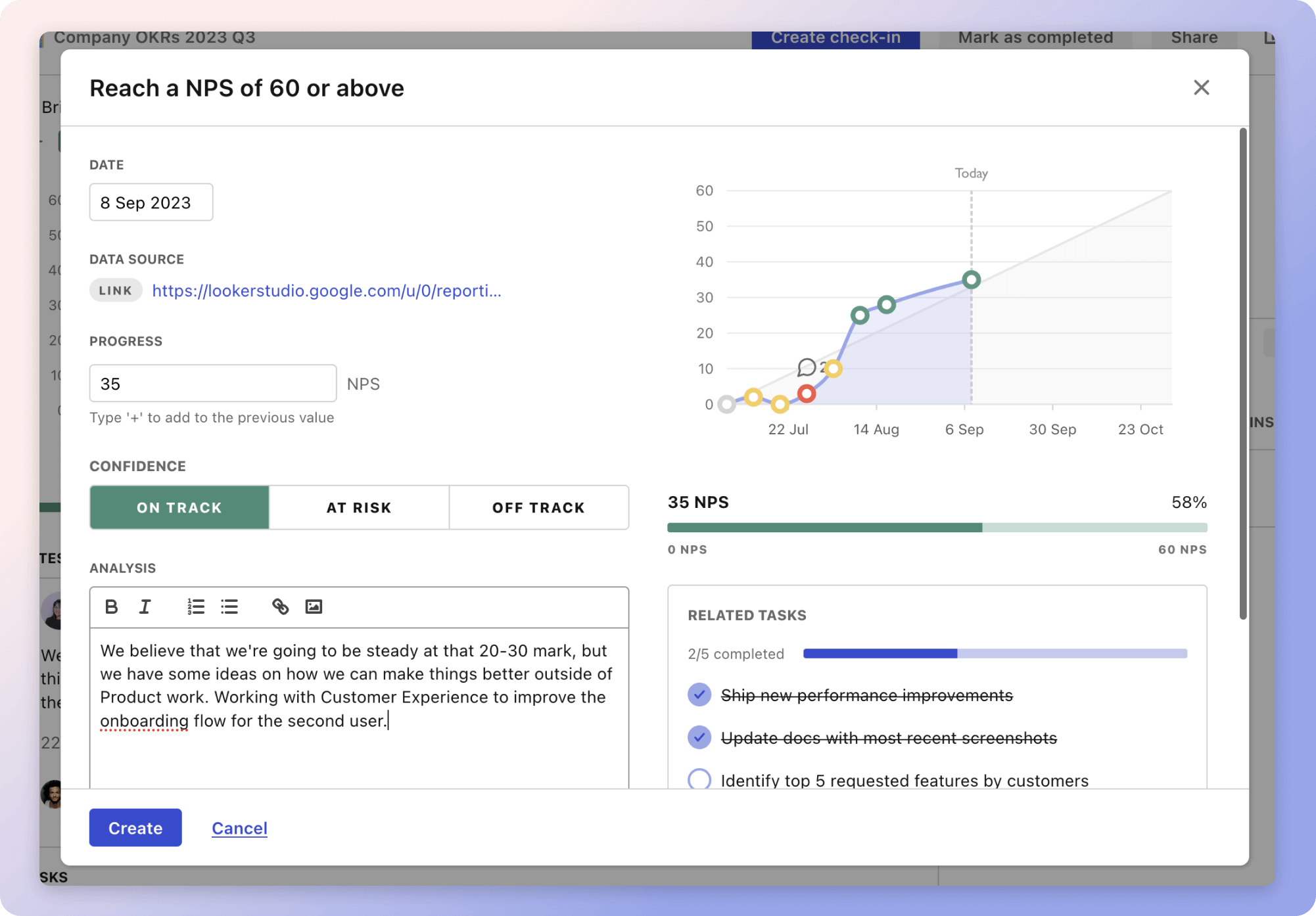
Give it a try and see how it can help you bring accountability to your metrics.
