The plan focuses on evaluating backend code quality through a comprehensive set of metrics. By observing parameters like code review rounds, the organization can streamline the review process, ensuring timely code approvals. For instance, organizing code review workshops can significantly reduce the number of review rounds needed. Code coverage ensures critical paths are well-tested, enhancing system reliability. Metrics like defect density help in keeping the software robust by minimizing bugs in the codebase.
Moreover, frequent code commits facilitate faster progress and more granular tracking of changes, promoting a dynamic development environment. Monitoring code complexity by maintaining low cyclomatic complexity helps in producing readable, maintainable, and less error-prone code. Collectively, these metrics ensure a high standard of code quality, which is instrumental in delivering efficient software solutions.
Top 5 metrics for Backend Code Quality
1. Code Review Rounds
Number of review rounds required before code approval
What good looks like for this metric: 1-2 rounds
How to improve this metric:- Organise code review workshops
- Implement a coding standards guide
- Assign senior developers as mentors
- Use static code analysis tools
- Establish a consistent review checklist
2. Code Coverage
Percentage of code covered by automated tests
What good looks like for this metric: Above 80%
How to improve this metric:- Increase unit and integration tests
- Regularly update test cases
- Utilise code coverage tools
- Prioritise critical code paths
- Automate test execution
3. Defect Density
Number of defects per thousand lines of code
What good looks like for this metric: Less than 1 defect per KLOC
How to improve this metric:- Conduct regular code audits
- Adopt pair programming
- Implement a bug triage system
- Encourage post-deployment analysis
- Provide regular feedback to developers
4. Number of Code Commits
Frequency of commits made by developers
What good looks like for this metric: Multiple small commits per day
How to improve this metric:- Encourage daily code submissions
- Streamline the commit process
- Divide tasks into smaller units
- Utilise version control best practices
- Promote a collaborative environment
5. Code Complexity
Measurement of code's structural complexity
What good looks like for this metric: Cyclomatic complexity less than 10
How to improve this metric:- Refactor overly complex methods
- Adopt design patterns
- Review complexity scores regularly
- Simplify code logic
- Use tools to measure complexity
How to track Backend Code Quality metrics
It's one thing to have a plan, it's another to stick to it. We hope that the examples above will help you get started with your own strategy, but we also know that it's easy to get lost in the day-to-day effort.
That's why we built Tability: to help you track your progress, keep your team aligned, and make sure you're always moving in the right direction.
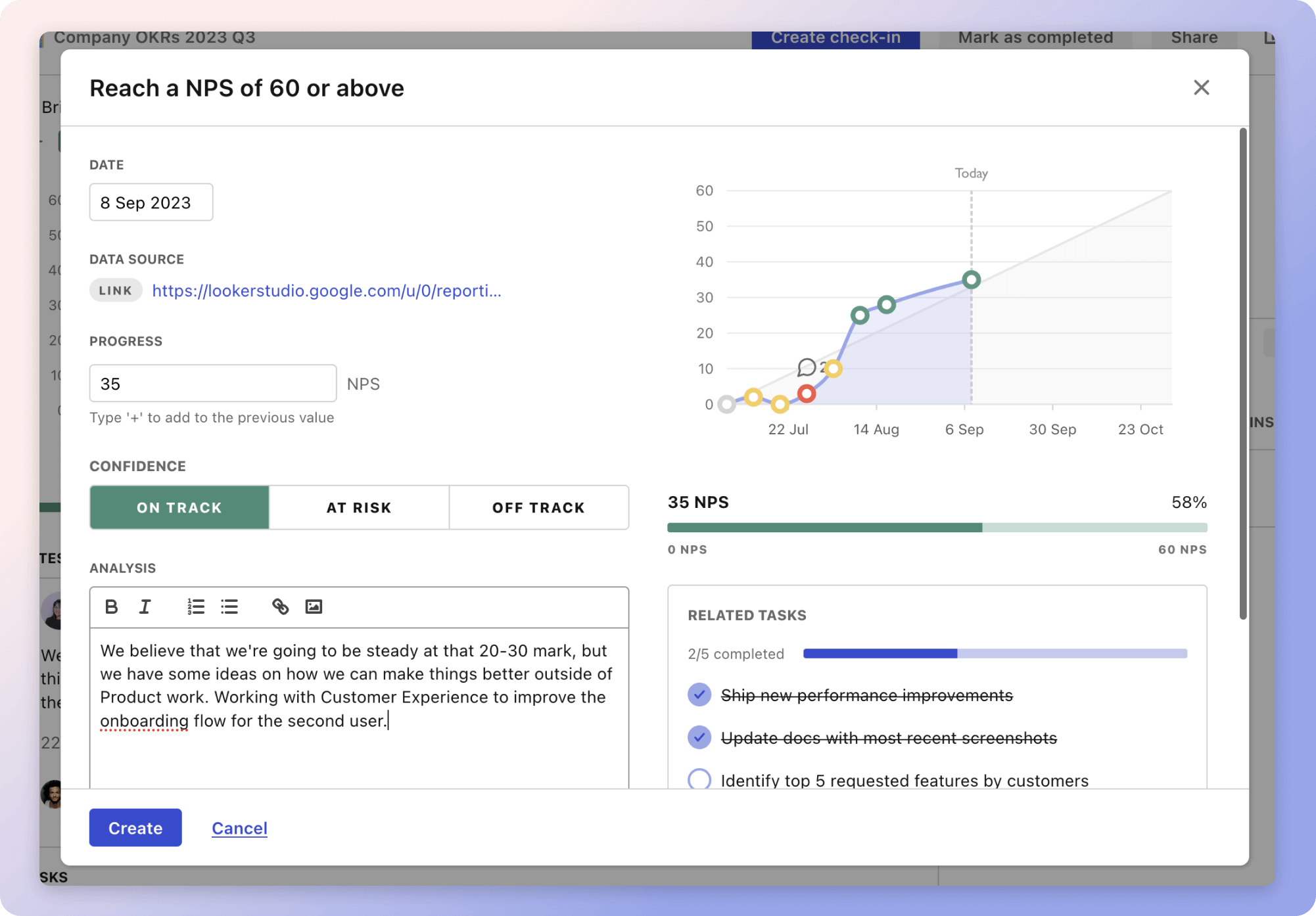
Give it a try and see how it can help you bring accountability to your metrics.
