The strategy focuses on modernizing the department's current data platform to enhance efficiency, scalability, and data accessibility. The initial step involves evaluating the existing platform by auditing the current system, identifying inefficiencies, consulting stakeholders, and analyzing system performance. For instance, comparing current platform features against industry benchmarks helps pinpoint areas needing improvement.
The next phase is designing the future state architecture, which involves defining objectives, researching new technologies, and creating a high-level architecture blueprint. This phase includes considerations like cloud vs. on-premise solutions and integrating scalability features, ensuring the new system is compatible and secure.
Finally, the implementation phase involves launching a cross-functional team to pilot, test, and iterate new solutions. Gathering user feedback and providing comprehensive training are crucial for successful adoption. This stage emphasizes continuous improvement based on stakeholder insights and analytics, ensuring the platform adapts to evolving needs.
The strategies
⛳️ Strategy 1: Evaluate current platform
- Conduct a comprehensive audit of the existing data platform
- Identify bottlenecks and inefficiencies in current workflows
- Consult with stakeholders to gather feedback on current system limitations
- Analyse system performance metrics to pinpoint areas needing improvement
- Compare current platform features against industry benchmarks
- Document all existing data sources and integration points
- Evaluate security protocols and identify vulnerabilities
- Determine current platform costs and identify potential savings
- Analyse data storage needs and trends
- Assess current team skill levels and training requirements
⛳️ Strategy 2: Design future state architecture
- Define key objectives and goals for the modernised platform
- Research latest technologies and architectures that align with objectives
- Create a high-level architecture blueprint of the future state
- Develop a roadmap with phased implementation steps
- Ensure compatibility with existing systems and processes
- Consider cloud vs on-premise solutions based on organisational needs
- Integrate scalability features to accommodate growing data volumes
- Incorporate modern data governance, security, and compliance standards
- Establish a comprehensive data integration and API strategy
- Plan for incremental enhancements and feature additions
⛳️ Strategy 3: Implement and iterate new solutions
- Set up a cross-functional team for implementation
- Pilot new components in a controlled environment
- Collect and analyse data on pilot performance
- Conduct thorough testing and quality assurance procedures
- Integrate user feedback into platform development
- Provide training and resources for staff on new system features
- Coordinate migration of data onto new platforms where applicable
- Establish monitoring and alert systems to track performance
- Prepare for regular updates and maintenance tasks
- Continuously iterate on platform based on user analytics and stakeholder feedback
Bringing accountability to your strategy
It's one thing to have a plan, it's another to stick to it. We hope that the examples above will help you get started with your own strategy, but we also know that it's easy to get lost in the day-to-day effort.
That's why we built Tability: to help you track your progress, keep your team aligned, and make sure you're always moving in the right direction.
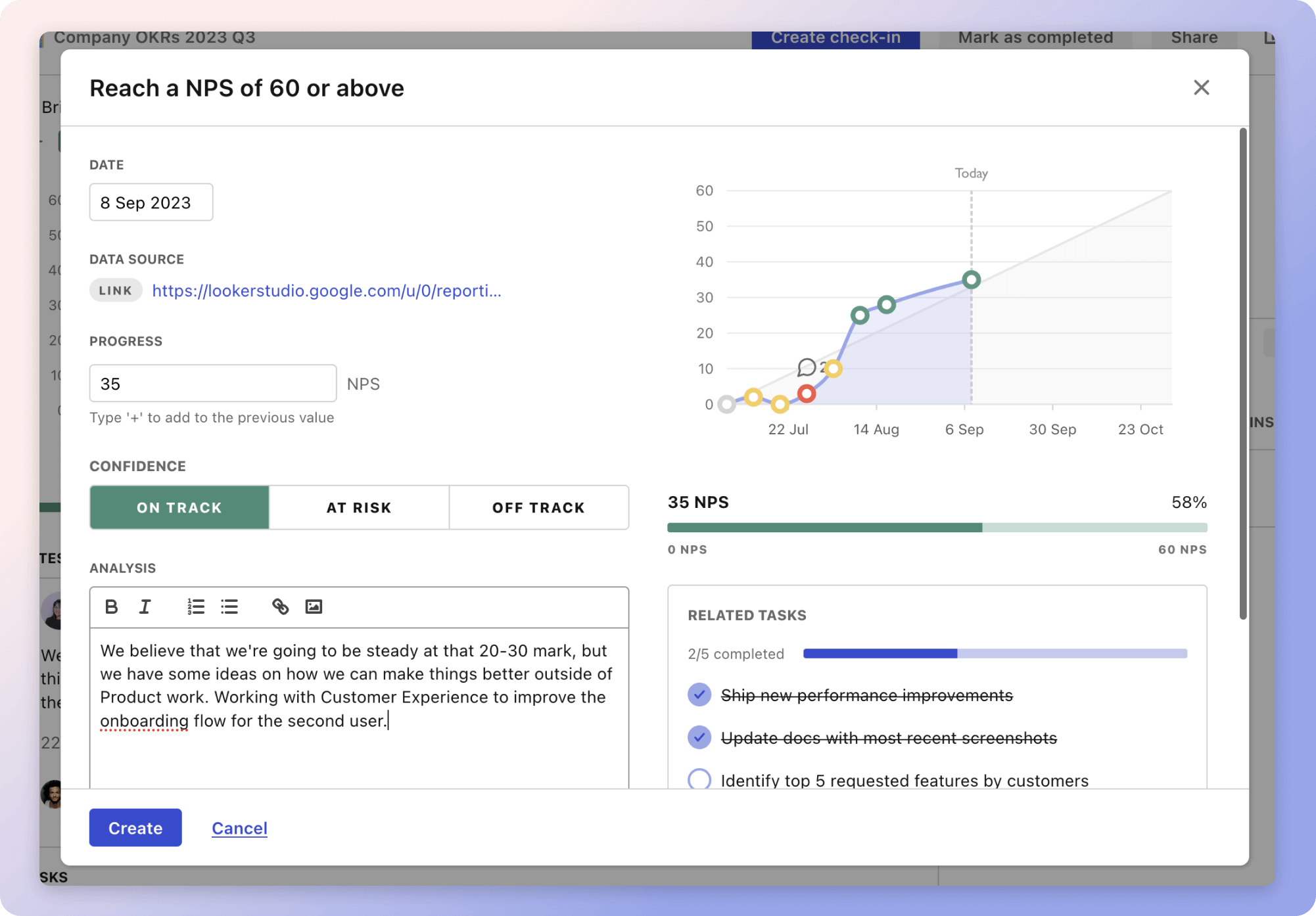
Give it a try and see how it can help you bring accountability to your strategy.