The strategy outlined in the JSON is an extensive AI-driven approach to digital transformation within a mid-size e-commerce company. The primary objective is to enhance business operations and drive growth through a comprehensive AI initiative portfolio. One of the key strategies is to automate customer support using chatbots, voice recognition systems, and sentiment analysis tools, ensuring more efficient service and personalized customer experiences.
Another vital aspect is developing a recommendation system to personalize product suggestions. By leveraging collaborative and content-based filtering, the initiative aims to increase user engagement and refine algorithms based on customer interaction data. Additionally, demand forecasting is employed, using time series models and machine learning to predict product demand trends. This involves collaboration with supply chain teams to improve inventory management and ensure targeted marketing decisions.
The strategies
⛳️ Strategy 1: Implement customer support automation
- Deploy a chatbot system to handle basic customer queries and complaints
- Integrate AI-based voice recognition systems for call center operations
- Train the customer support team to work alongside AI technologies
- Implement a sentiment analysis tool for real-time customer feedback monitoring
- Set up an AI FAQ system to address common inquiries
- Automate ticket categorization and routing to improve support efficiency
- Utilise AI to analyse customer interaction data for continuous improvement
- Create personalised support experiences through AI-driven customer insights
- Conduct regular training sessions to keep the AI models updated
- Monitor service level agreements to ensure adherence through AI diagnostics
⛳️ Strategy 2: Develop a recommendation system
- Leverage collaborative filtering techniques for personalised product recommendations
- Utilise content-based filtering to enhance user engagement
- Integrate existing customer data for developing a hybrid recommendation model
- Conduct A/B tests to evaluate the effectiveness of the recommendation algorithms
- Implement a real-time recommendation engine for dynamic products updates
- Analyse customer interaction data to refine the recommendation algorithms
- Collaborate with the marketing team to personalise marketing campaigns
- Embed recommendation widgets on product pages and shopping carts
- Include feedback loops to gather customer responses on recommendations
- Ensure data privacy and security in the recommendation algorithms
⛳️ Strategy 3: Utilise demand forecasting
- Deploy time series forecasting models for product demand prediction
- Integrate external data sources like market trends and social media analysis
- Utilise machine learning to identify seasonal patterns in demand
- Work closely with supply chain teams to synchronise forecasts with inventory
- Refine forecasting models based on feedback and changing patterns
- Implement automated alerts for predicted demand peaks and troughs
- Use forecasting insights in procurement and marketing decisions
- Ensure multi-modal data integration for holistic demand analysis
- Conduct regular accuracy checks and model updates
- Utilise BI tools to visualise demand forecasts for stakeholders
Bringing accountability to your strategy
It's one thing to have a plan, it's another to stick to it. We hope that the examples above will help you get started with your own strategy, but we also know that it's easy to get lost in the day-to-day effort.
That's why we built Tability: to help you track your progress, keep your team aligned, and make sure you're always moving in the right direction.
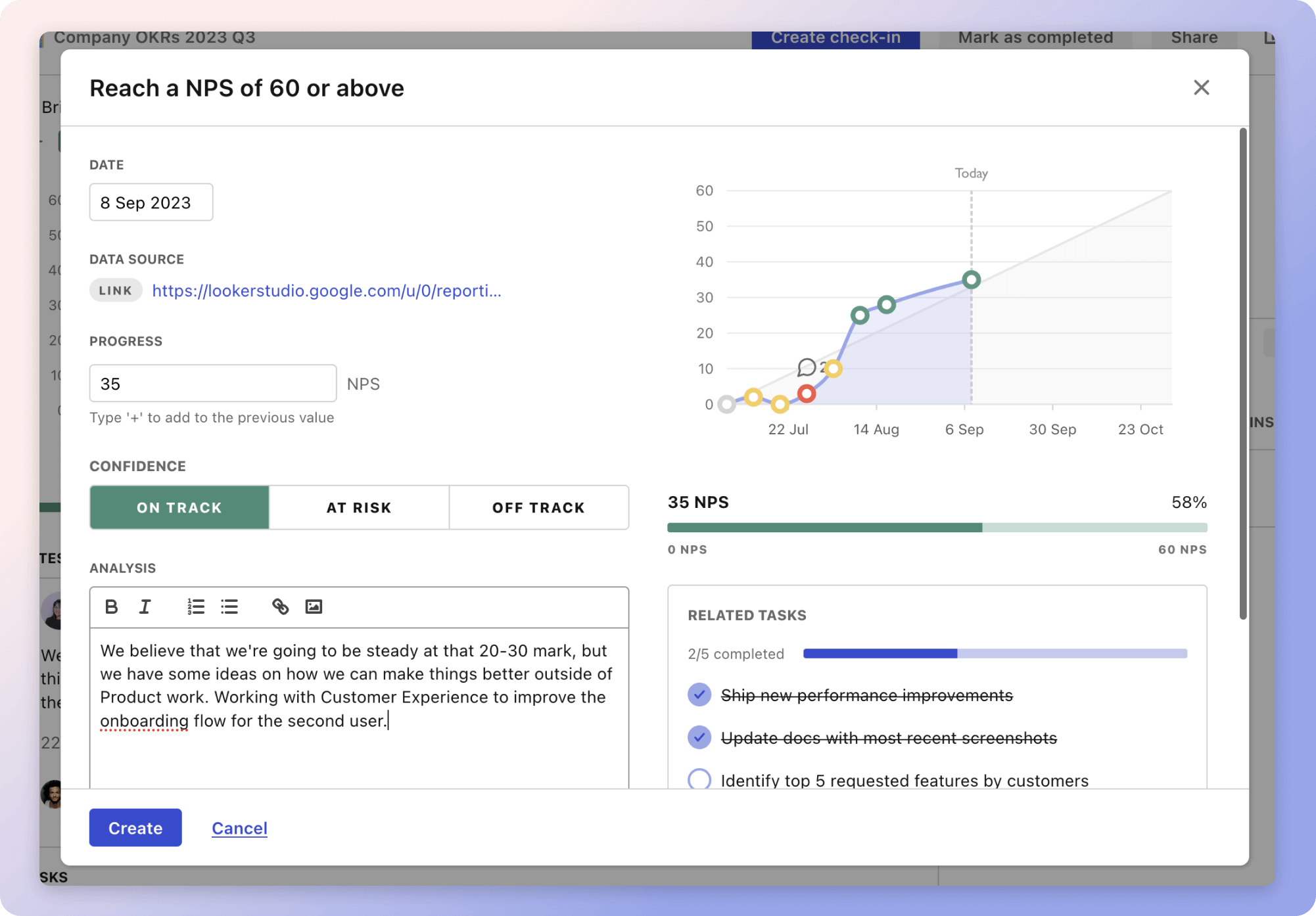
Give it a try and see how it can help you bring accountability to your strategy.