The strategy for forming strategic data center partnerships centers on creating strong collaborations with key industry players such as technology vendors, OEMs, hyperscale companies, and utilities. Initially, a comprehensive partnership proposal is crafted by researching potential partners to align value propositions with their objectives. For instance, drafting collaboration opportunities and including case studies of successful partnerships helps in conveying mutual benefits effectively.
Next, establishing mutual goals and frameworks involves arranging meetings with partners to discuss objectives, roles, and forming joint committees. This ensures a structured approach, with legal frameworks and risk management strategies defined, and setting up a shared portal for document management can streamline communication and strategies.
The final strategy involves leveraging existing networks and attending industry events. Participation in conferences, engaging with thought leaders, and utilizing platforms like LinkedIn can help establish connections. Hosting networking events and publishing whitepapers are effective ways to showcase expertise and attract partnerships. This approach creates a robust pipeline for partnership opportunities and maintains industry relevance.
The strategies
⛳️ Strategy 1: Develop a comprehensive partnership proposal
- Identify potential partners among technology vendors, OEMs, hyperscale companies, system integrators, distributors, and utilities
- Research each potential partner to understand their needs, strengths, and business strategies
- Draft a value proposition that aligns with each partner's objectives
- Outline collaboration opportunities and benefits in the proposal
- Include case studies or examples where similar partnerships have been successful
- Define clear objectives and success metrics for the partnership
- Develop a phased partnership structure with timelines
- Get feedback from industry experts to refine the proposal
- Prepare customised presentations for each potential partner
- Send the proposal to key decision-makers within each target company
⛳️ Strategy 2: Establish mutual goals and frameworks
- Arrange initial meetings with each partner to discuss interest and align on mutual objectives
- Identify key stakeholders and decision-makers in each organisation
- Collaboratively outline specific goals, roles, and responsibilities
- Set up joint working groups or committees for partnership management
- Create a legal framework outlining terms, conditions, and intellectual property rights
- Determine communication protocols and regular meeting schedules
- Develop a joint resource allocation plan including personnel and finances
- Establish a joint risk management strategy addressing potential challenges
- Set up a shared portal for document management and tracking progress
- Agree on performance indicators to regularly assess partnership success
⛳️ Strategy 3: Leverage existing networks and industry events
- Participate in industry conferences and expos relevant to data centers
- Join industry associations or groups that involve targeted partners
- Host or sponsor networking events to build relationships with potential partners
- Engage with thought leaders in the data center industry for endorsements
- Connect with mutual contacts for introductions and insights
- Utilise online platforms like LinkedIn to reach out to key players
- Publish articles or whitepapers showcasing expertise and partnership potential
- Attend webinars and panel discussions hosted by potential partners
- Organise innovation workshops to demonstrate collaborative potential
- Regularly follow up with contacts to maintain a dynamic relationship pipeline
Bringing accountability to your strategy
It's one thing to have a plan, it's another to stick to it. We hope that the examples above will help you get started with your own strategy, but we also know that it's easy to get lost in the day-to-day effort.
That's why we built Tability: to help you track your progress, keep your team aligned, and make sure you're always moving in the right direction.
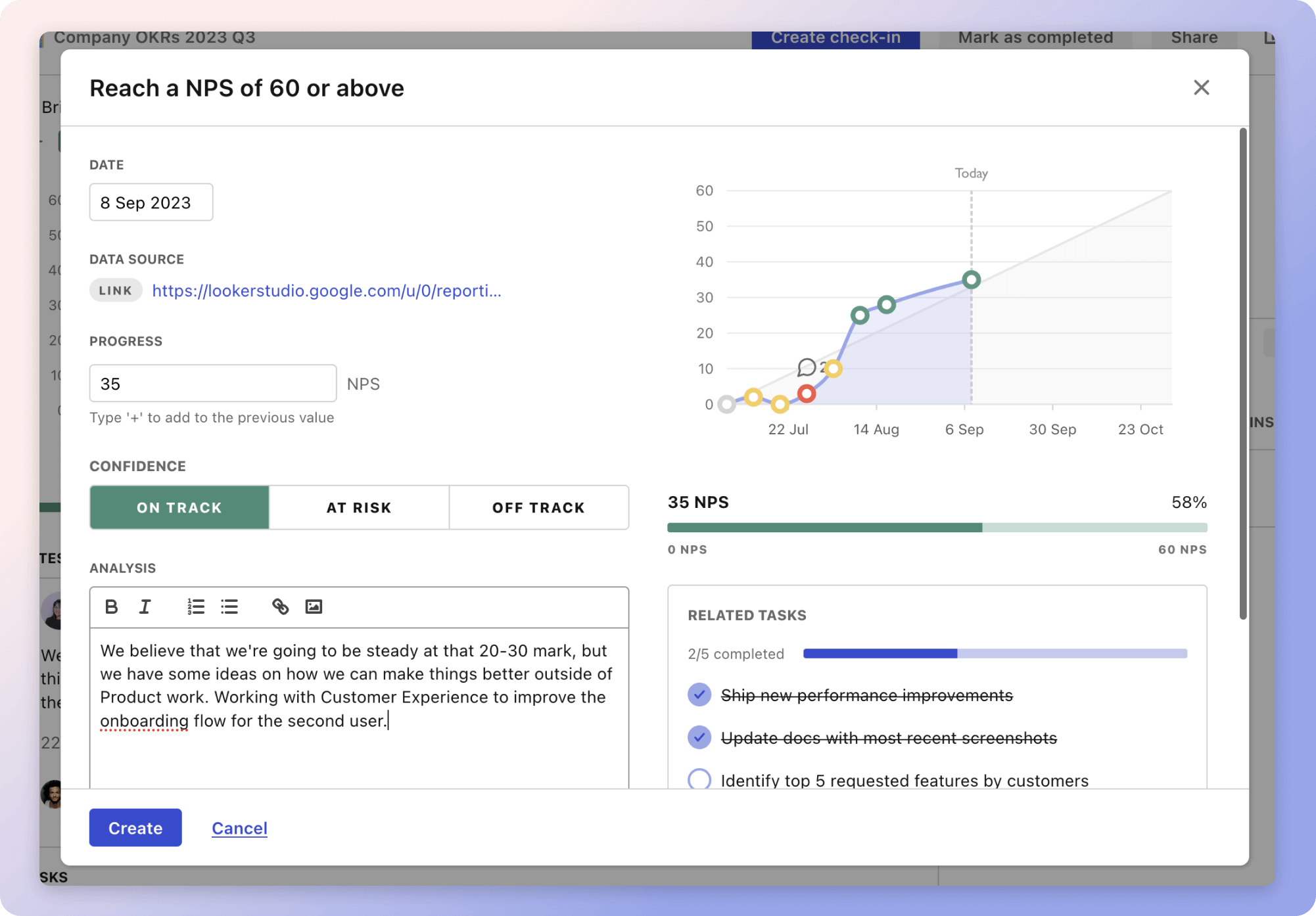
Give it a try and see how it can help you bring accountability to your strategy.