The strategy "Mapping for high risk patients" aims to identify and manage high-risk individuals to improve health outcomes through targeted interventions. In the first strategy, analyzing electronic health records is crucial, which involves utilizing advanced software and developing algorithms to pinpoint health risk indicators. Health staff are trained to use these tools effectively, ensuring early detection through alerts and maintaining patient data security with collaboration from IT specialists.
The second strategy focuses on forming care coordination teams by hiring specialized healthcare professionals. These teams are trained in risk management and patient communication, with defined roles to enhance structured care delivery. Regular meetings and collaborations with community services ensure comprehensive patient support.
The third strategy implements preventative health initiatives to raise awareness and promote early screening through campaigns and partnerships with local health organizations. Offering free screenings, educational workshops, and personalized advice through mobile apps encourages proactive health measures. Monitoring these initiatives' effectiveness helps refine approaches for better outcomes.
The strategies
⛳️ Strategy 1: Analyse electronic health records
- Integrate advanced data management software to access comprehensive health records
- Develop algorithms to identify key health risk indicators
- Train health staff to use data analysis tools effectively
- Run periodic data extractions for new risk indicators
- Implement alerts for early detection of high-risk patterns
- Collaborate with IT specialists for system updates and maintenance
- Secure patient data through stringent cybersecurity measures
- Create a dashboard for visual data representation
- Schedule regular meetings to review data insights
- Refine the system based on feedback from users
⛳️ Strategy 2: Establish care coordination teams
- Hire specialised healthcare professionals to form dedicated teams
- Conduct training sessions on risk management and patient communication
- Assign patient cases to teams based on specific risk profiles
- Set up a central communication platform for information sharing
- Implement regular team meetings to discuss patient progress
- Define clear roles and responsibilities within teams
- Liaise with community services for additional patient support
- Create protocols for emergency scenarios
- Develop continuous education programs for team members
- Utilise patient feedback to enhance care coordination practices
⛳️ Strategy 3: Implement preventative health initiatives
- Launch campaigns to raise awareness about the importance of early screening
- Develop partnerships with local health organisations for joint initiatives
- Offer free or subsidised health screenings for at-risk patients
- Design educational workshops focusing on lifestyle changes
- Provide personalised health advice through mobile health applications
- Encourage regular follow-ups through automated reminder systems
- Introduce motivational interviewing techniques in consultations
- Reward patients for participation in preventative programmes
- Monitor the effectiveness of initiatives through regular evaluations
- Adjust strategies based on health outcome data and community feedback
Bringing accountability to your strategy
It's one thing to have a plan, it's another to stick to it. We hope that the examples above will help you get started with your own strategy, but we also know that it's easy to get lost in the day-to-day effort.
That's why we built Tability: to help you track your progress, keep your team aligned, and make sure you're always moving in the right direction.
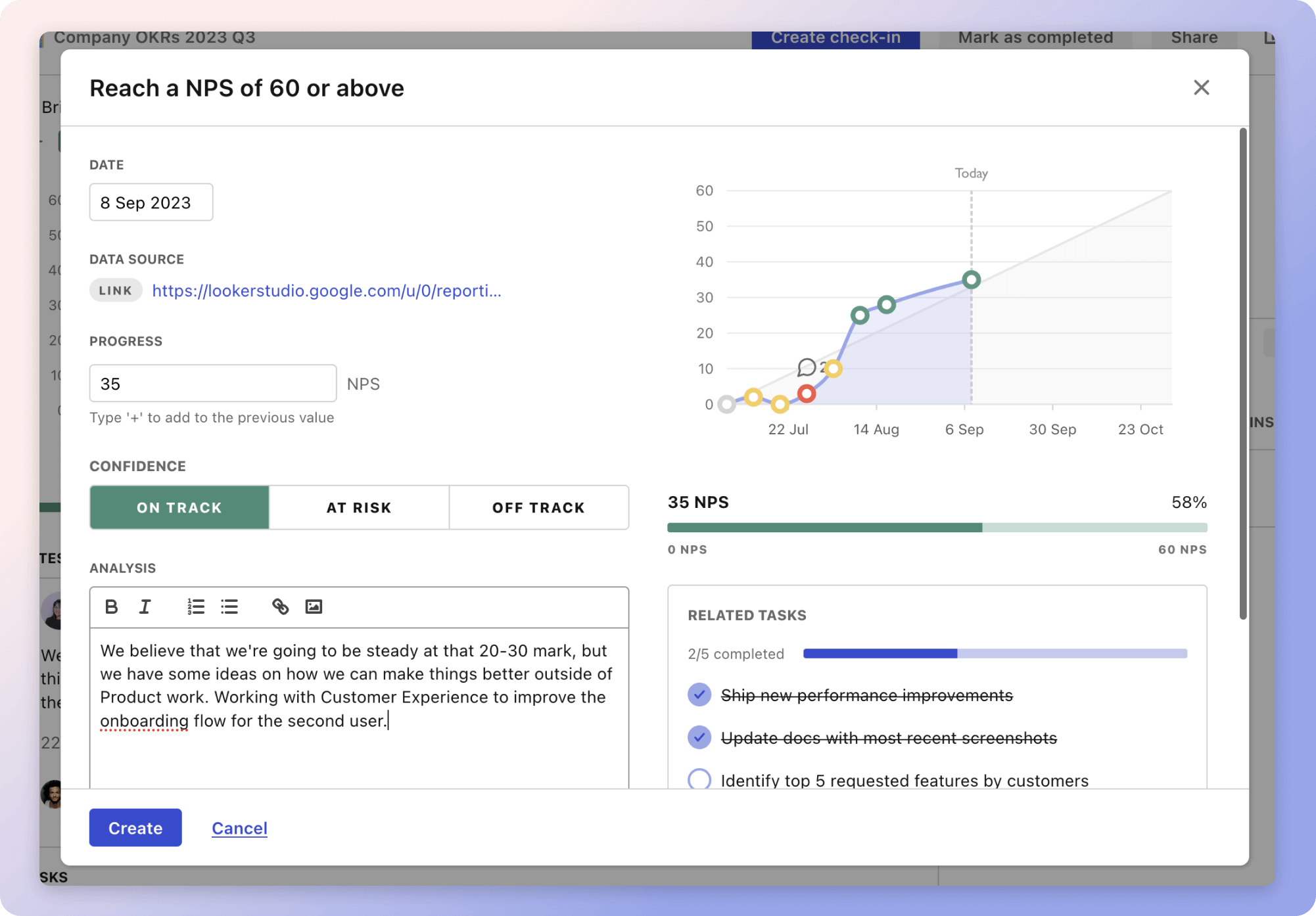
Give it a try and see how it can help you bring accountability to your strategy.