The strategy focuses on forming a robust social media presence to boost brand awareness, improve lead generation, and engage organically with the audience. It begins with establishing a strong content calendar. This involves identifying key themes and appropriate content for each platform, such as educational videos, promotional posts, or engagement-based content like polls. For instance, dedicating days like ‘Testimonial Tuesday’ encourages regular audience interaction.
The approach also emphasizes community engagement through timely responses to messages and hosting interactive events like webinars and quizzes. For example, initiating interactive story campaigns or collaborating with micro-influencers can effectively expand reach and audience connection.
Lastly, platform-specific optimization is underscored by tailoring content according to platform strengths. Professional content might be more suited for LinkedIn, whereas Instagram might thrive on visual stories. It is crucial to keep updated with trends and analytics to continuously adapt the strategy for maximum impact across platforms.
The strategies
⛳️ Strategy 1: Establish a strong content calendar
- Identify key themes and topics for each platform based on your audience interests and engagement history
- Plan a monthly content calendar with a balance of educational, promotional, and engagement-focused posts
- Incorporate multimedia content such as teacher recordings, campus footage, and result creatives
- Allocate specific days for content themes like ‘Testimonial Tuesday’ or ‘Success Story Saturday’
- Monitor upcoming events or important dates to create timely and relevant content
- Encourage interactions by integrating call-to-actions in posts such as questions or polls
- Schedule regular live sessions or Q&A with teachers to build trust and answer audience queries
- Share behind-the-scenes content to personalise the brand and showcase the campus environment
- Create content segments specifically for unique selling points like coding skills and fast-paced programs
- Regularly review and adjust the calendar based on performance data and audience feedback
⛳️ Strategy 2: Engage and grow community organically
- Respond to all comments and messages promptly to encourage more interactions
- Run interactive story campaigns on Instagram and Facebook such as quizzes or polls
- Host monthly webinars or live classes on YouTube and LinkedIn to attract wider audiences
- Encourage user-generated content by creating contests where students can share their experiences
- Develop a referral program with incentives for current students or parents to refer others
- Join relevant educational groups and forums to engage in discussions and share insights
- Collaborate with micro-influencers or education bloggers in your target cities to increase you reach
- Use hashtags strategically to expand reach and attract the right audience, ensuring they are related to education and the target market
- Host virtual events or workshops focusing on your special programs to engage parents directly
- Regularly feature teachers and students on social media to humanise the brand and build connection
⛳️ Strategy 3: Optimise platform-specific strategies
- Develop unique strategies for each platform recognising their strengths (e.g., professional content for LinkedIn, visual storytelling for Instagram)
- Create short, snackable video content for Facebook and Instagram Reels to capture quick engagement
- Utilise YouTube for longer educational content such as tutorials and lecture snippets
- Optimise all profiles with relevant keywords, links, and contact information to improve discoverability
- Encourage LinkedIn engagement by sharing thought leadership articles or industry insights from your faculty
- Tailor posts to fit the language preference of your audience, offering both English and Urdu content
- Regularly update YouTube playlists to categorise and easily navigate through different content themes
- Monitor analytics across platforms to understand what content types drive the best engagement
- Maintain consistent brand messaging across all channels while adapting content format to platform specifications
- Trial and analyse new features on social platforms, staying ahead of trends and competition
Bringing accountability to your strategy
It's one thing to have a plan, it's another to stick to it. We hope that the examples above will help you get started with your own strategy, but we also know that it's easy to get lost in the day-to-day effort.
That's why we built Tability: to help you track your progress, keep your team aligned, and make sure you're always moving in the right direction.
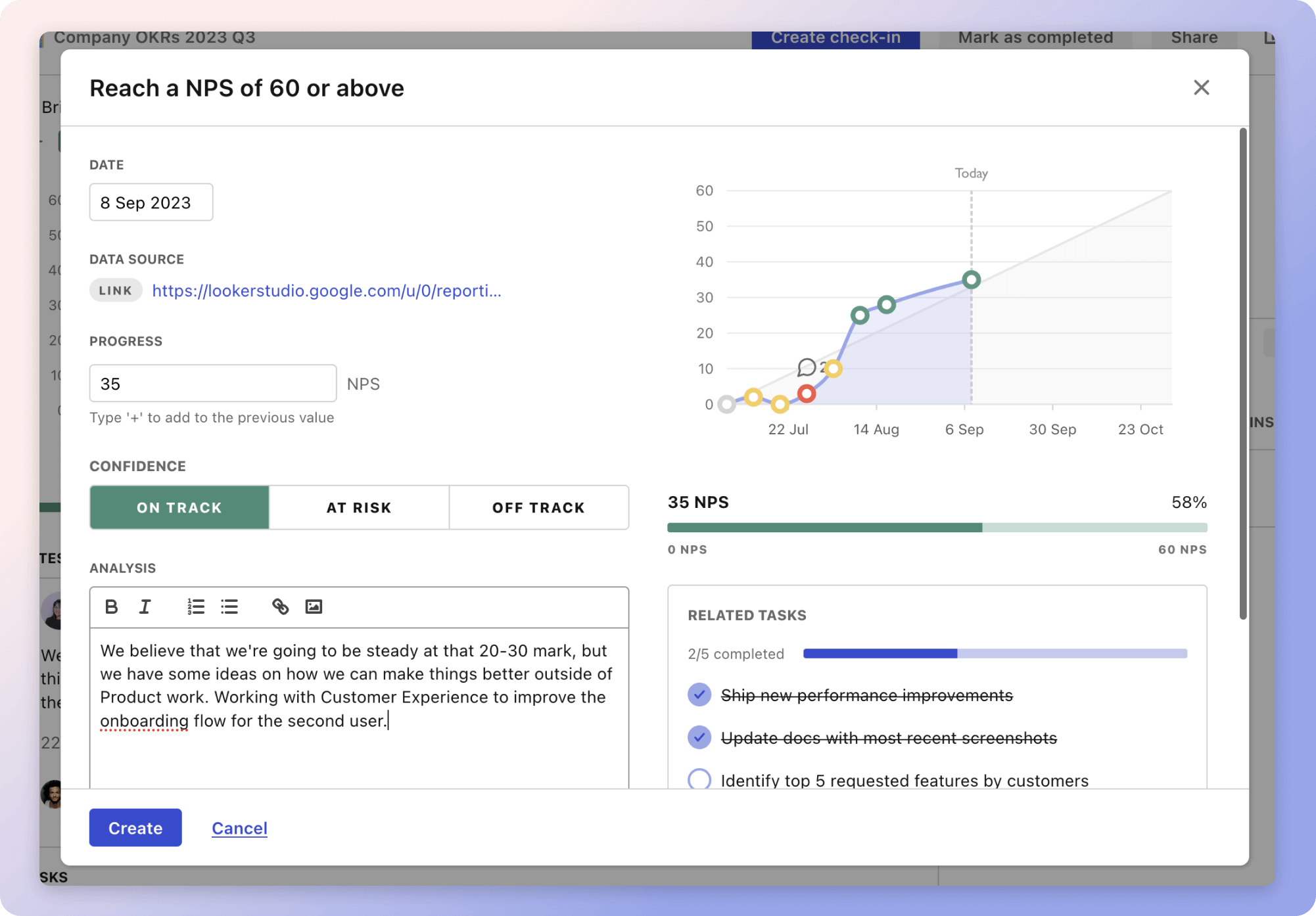
Give it a try and see how it can help you bring accountability to your strategy.