The strategy specified for the community-based organization in Wakiso District focuses on developing a robust five-year strategic plan aimed at enhancing relevance, sustainability, and impact. The primary approach involves refining the organization's identity through activities like organizing workshops to update mission and vision statements with input from diverse stakeholders. By aligning these core aspects with national development goals and creating branded communication materials, the organization ensures it clearly expresses its values and objectives.
Another strategic focus is a comprehensive SWOT analysis, engaging a diverse team to assess internal and external factors using tools like PESTEL and Porter’s Five Forces. This analysis encourages the identification of strategic partnerships and internal capacity evaluation. The findings are validated and utilized in strategic planning to address opportunities and threats effectively.
Lastly, developing a stakeholder engagement framework is crucial. It includes identifying stakeholders, creating tailored engagement plans, and utilizing digital platforms for broader interaction. Regular communication and forums ensure steady stakeholder feedback and progress discussions. This framework strengthens involvement and aligns stakeholder engagement with organizational goals.
The strategies
⛳️ Strategy 1: Refine Organisational Identity
- Organise workshops to revisit and update the mission and vision statements
- Incorporate input from Board members, staff, and beneficiaries in mission refinement
- Review alignment of core values with current and future organisational goals
- Draft a value proposition document to communicate the organisation’s unique offerings
- Develop a communications strategy to share the updated vision and mission
- Incorporate feedback from pilot testing the new mission statement in community engagements
- Align vision and mission statements with national development goals and trends
- Create branded materials (e.g. brochures, presentations) showcasing the refreshed identity
- Facilitate annual review and refresh of the mission and vision statements
- Develop an internal champion team to ensure organisational adherence to core values
⛳️ Strategy 2: Conduct Comprehensive SWOT Analysis
- Assemble a diverse SWOT analysis team, including board members and community representatives
- Collect historical performance data and feedback to assess internal strengths and weaknesses
- Utilise PESTEL analysis to evaluate the macro-environment factors impacting the CBO
- Conduct competitor analysis using Porter’s Five Forces to understand the market landscape
- Map out existing resources and capabilities for enhanced internal capacity assessment
- Participate in community forums to identify external opportunities for strategic partnerships
- Host a risk assessment workshop to explore potential threats and mitigation strategies
- Create a SWOT analysis report documenting findings and insights with actionable recommendations
- Validate SWOT findings through stakeholder consultations and expert reviews
- Integrate findings into organisational strategic planning processes
⛳️ Strategy 3: Develop a Stakeholder Engagement Framework
- Identify and map key stakeholders, including local leaders, development partners, and youth councils
- Categorise stakeholders based on influence and interest using a stakeholder matrix
- Establish a stakeholder advisory board for ongoing input and collaboration
- Design tailored engagement plans for various stakeholder groups for greater involvement
- Utilise digital platforms to facilitate broader participation and feedback collection
- Implement regular communication updates through newsletters and community meetings
- Organise bi-annual stakeholder forums to discuss progress and receive strategic guidance
- Build capacity for staff in stakeholder relationship management
- Set clear objectives and metrics for stakeholder engagement effectiveness
- Ensure alignment of stakeholder engagement with broader organisational goals
Bringing accountability to your strategy
It's one thing to have a plan, it's another to stick to it. We hope that the examples above will help you get started with your own strategy, but we also know that it's easy to get lost in the day-to-day effort.
That's why we built Tability: to help you track your progress, keep your team aligned, and make sure you're always moving in the right direction.
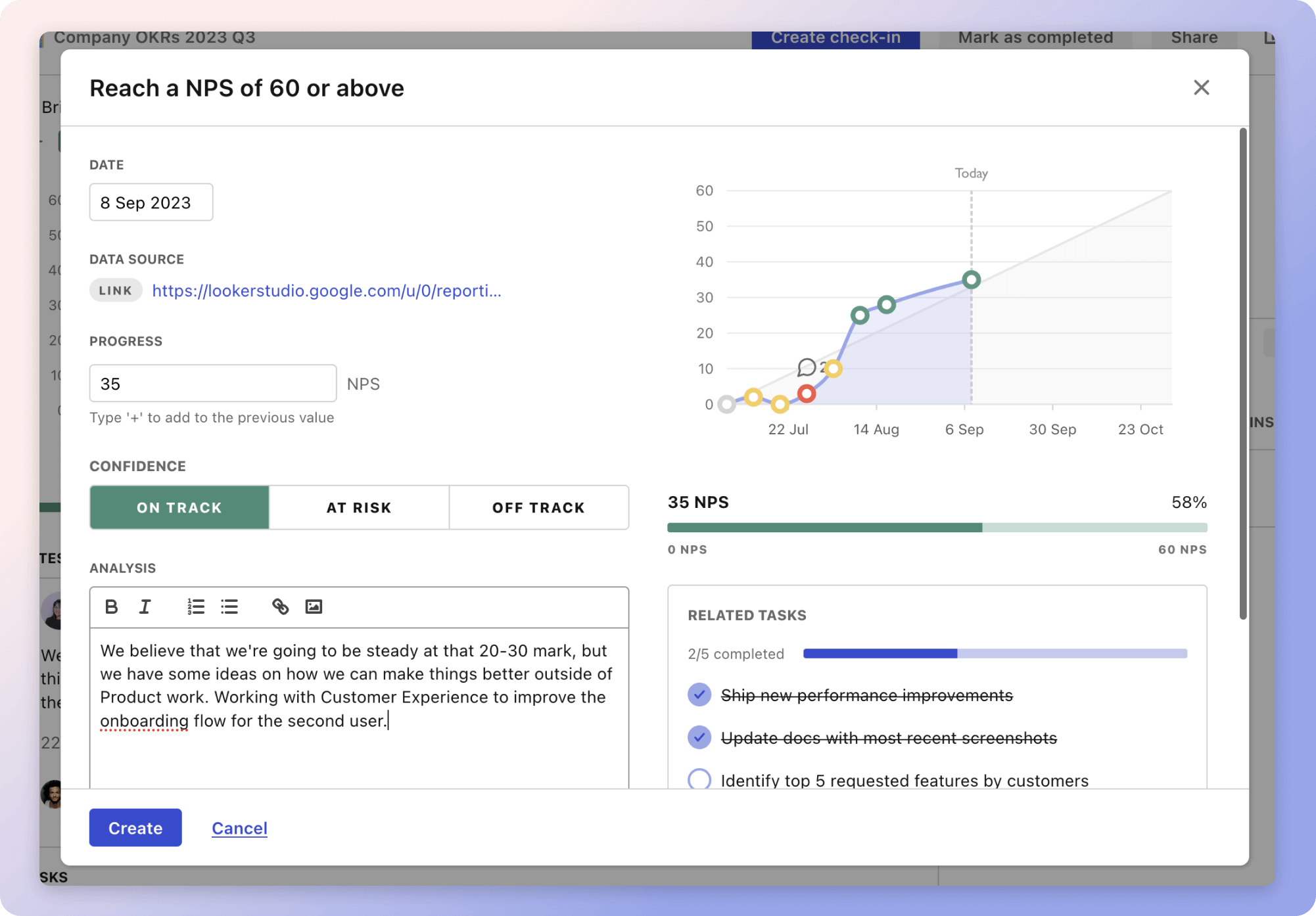
Give it a try and see how it can help you bring accountability to your strategy.