The strategy for designing a brand management course involves creating a robust and detailed syllabus suitable for aspiring brand managers and marketing professionals. It includes outlining weekly topics and objectives for both 6-month and 4-month course options. By mixing lectures with guest speakers and interactive workshops, the course aims to provide a balanced learning experience. For example, industry case studies will emphasize practical application, while assessments and projects will help reinforce learning.
The development of module descriptions and learning outcomes is another key element. Each module focuses on design, copywriting, and digital integration, specifying advanced brand management skills needed in the industry. For instance, the Copywriting Module clarifies the role of language and storytelling in branding, while the Design Module addresses the impact of design. These detailed descriptions aim to guide teaching and highlight significant concepts in brand management.
Finally, effective assessment plans ensure learners can apply theoretical knowledge through practical tasks and projects. Quizzes, group work, and case study analyses will be integrated to simulate real-world branding challenges. Furthermore, weekly feedback and evaluation methods, such as rubrics, are designed to track student progress and ensure consistent assessment.
The strategies
⛳️ Strategy 1: Create a detailed course syllabus
- Outline weekly topics and objectives for the 6-month, 2 sessions per week course
- Outline weekly topics and objectives for the 4-month, 3 sessions per week course
- Include a mixture of lectures, guest speaker sessions, and interactive workshops
- Recommend readings and resources for each session
- Clearly define the objectives and key takeaways for each week
- Include a review session every 4 weeks for recapitulation and feedback
- Integrate specialist modules within each phase of the course
- Ensure the syllabus emphasises practical application with industry case studies
- List assessments and projects accompanying each phase to reinforce learning
- Align syllabus content with industry trends and practices
⛳️ Strategy 2: Develop module descriptions and learning outcomes
- Draft a brief overview of each phase in the course description
- Create detailed module descriptions for the design, copywriting, and digital integration modules
- Outline specific learning outcomes for each module to guide teaching
- Highlight key marketing and branding concepts to be covered in Phase 1
- Define advanced brand management skills and knowledge for Phase 2
- Articulate the role and impact of design in branding for Design Module
- Explain the role of language and storytelling in branding for Copywriting Module
- Clarify the integration of digital strategies within the broader branding context
- Identify hands-on projects or simulations for practical learning
- Describe how specialist instructors' expertise enhances the overall curriculum
⛳️ Strategy 3: Plan assessment ideas and integration notes
- Design quizzes and short tests for foundational marketing concepts
- Create case study analysis sessions focusing on real-world brands
- Incorporate a final project where students develop a brand strategy
- Introduce group work to foster collaboration, simulating team branding efforts
- Assign periodic reflective tasks where students evaluate brand strategies
- Include practical assignments for each specialist module
- Design rubrics for each assessment ensuring consistent evaluation
- Provide teacher integration notes to smoothly incorporate specialist modules
- Propose collaborative projects across different modules for deeper learning
- Recommend periodic feedback sessions with instructors to track progress
Bringing accountability to your strategy
It's one thing to have a plan, it's another to stick to it. We hope that the examples above will help you get started with your own strategy, but we also know that it's easy to get lost in the day-to-day effort.
That's why we built Tability: to help you track your progress, keep your team aligned, and make sure you're always moving in the right direction.
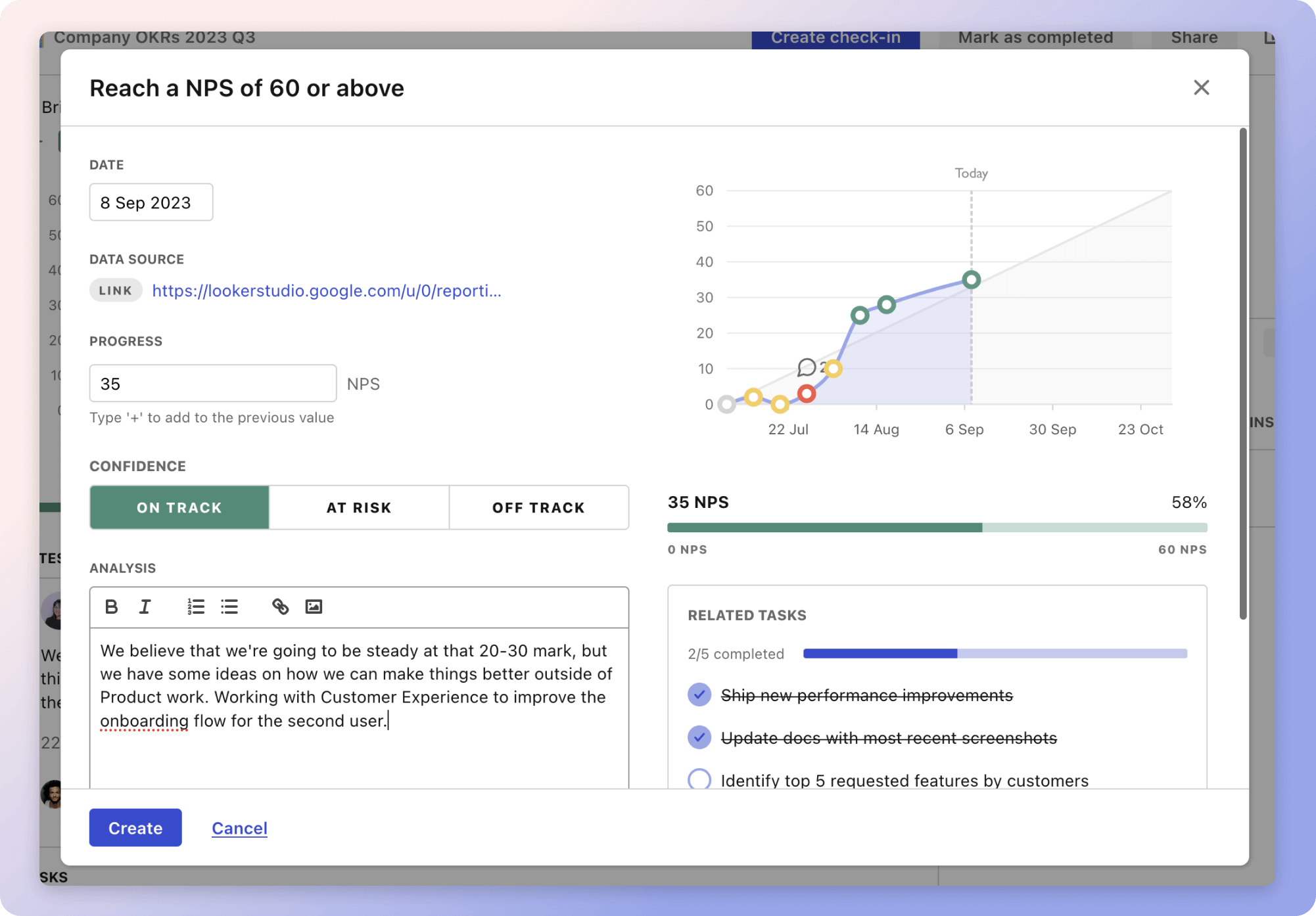
Give it a try and see how it can help you bring accountability to your strategy.