The comprehensive AI initiative portfolio for a mid-size e-commerce company aims to enhance efficiency, increase revenue, and mitigate risks as part of their digital transformation. The company plans to implement customer support automation using AI-driven chatbots to improve response accuracy and reduce human intervention by 50%. For instance, during peak shopping seasons, automated chatbots can manage a surge in customer inquiries, allowing human agents to focus on complex issues.
In parallel, an AI-driven recommendation system will personalize user experiences, boosting sales. By analyzing transaction data, the system will suggest products to customers, increasing click-through rates by 10%. For example, a customer browsing electronics may receive real-time recommendations for compatible accessories, improving their shopping journey.
The initiative also includes AI demand forecasting to minimize stockouts by predicting inventory needs. With accurate forecasts, the supply chain team can optimize inventory and reduce stockouts by 15%. Finally, the company plans to enhance security through AI-powered fraud detection by integrating machine learning algorithms to flag fraudulent transactions instantaneously.
The strategies
⛳️ Strategy 1: Implement customer support automation
- Integrate AI-driven chatbots to handle common customer inquiries and support issues
- Develop a machine learning model to improve response accuracy and reduce human intervention by 50%
- Setup automated escalation protocols to ensure complex queries reach human agents swiftly
- Conduct training sessions for existing customer service staff to adapt to the new system
- Monitor chatbot interactions to continuously improve AI response algorithms and measure customer satisfaction
- Analyze customer support data to identify and address frequent issues through AI insights
- Establish a feedback loop with customers to refine the AI system based on real-world interactions
- Integrate the AI system with existing CRM for cohesive operation and data sharing
- Define KPIs such as response time reduction and customer satisfaction scores for tracking progress
- Set up bi-weekly reports to monitor AI system performance and make data-driven adjustments
⛳️ Strategy 2: Develop an AI-driven recommendation system
- Collect and analyse transaction data to identify buying patterns and enhance product recommendations
- Build and deploy a collaborative filtering model to personalise recommendations for each user
- Collaborate with marketing to design dynamic content for recommendation modules on the website and app
- Test and tweak the recommendation algorithm to improve click-through rates by at least 10%
- Integrate the recommendation system with inventory management to ensure better stock availability
- Monitor product views and sales conversion rates to adjust recommendations accordingly
- Set up user feedback loops to refine the recommendation model continually
- Work with digital marketing to analyse campaign performance and optimise AI suggestions
- Define measurable KPIs such as increased sales through recommendations and percentage of product views
- Track performance weekly and create a dashboard for real-time updates and decision-making
⛳️ Strategy 3: Utilise AI for demand forecasting
- Develop an AI model considering seasonal trends, marketing inputs, and external factors to predict demand
- Identify data sources and ensure they are integrated into the AI system, such as sales data and promotions
- Collaborate with the supply chain team to align forecasting outputs with inventory strategy
- Pilot the forecasting model for selected product categories to test precision and robustness
- Transform demand forecasts into actionable insights for supply chain and procurement teams
- Monitor prediction accuracy and continuously refine the AI models for improved forecasting
- Assess the impact of AI forecasting on inventory levels and reduce stockouts by 15%
- Evaluate demand forecasts through cross-departmental weekly reviews
- Define KPIs like forecast accuracy percentage and inventory turnover rates
- Automate reporting processes with real-time data feeds from transaction and market systems
⛳️ Strategy 4: Enhance security with AI-powered fraud detection
- Implement machine learning algorithms to identify and flag potentially fraudulent transactions
- Integrate the AI system with transaction and customer data for more comprehensive analysis
- Design workflows for fraud prevention in collaboration with IT and e-commerce security teams
- Regularly update the fraud detection model with the latest threat intelligence data
- Conduct workshops to train the analytics team on AI fraud detection techniques and tools
- Measure performance by reduced fraudulent activity rates and increased detection speed
- Collaborate with legal and compliance teams to ensure regulations are met in fraud handling
- Use predictive analytics for proactive fraud risk assessments and strategic decision-making
- Define KPIs such as a reduction in fraudulent chargebacks and the number of flagged transactions
- Set up a real-time alert system and weekly fraud audit reports to ensure continuous monitoring
Bringing accountability to your strategy
It's one thing to have a plan, it's another to stick to it. We hope that the examples above will help you get started with your own strategy, but we also know that it's easy to get lost in the day-to-day effort.
That's why we built Tability: to help you track your progress, keep your team aligned, and make sure you're always moving in the right direction.
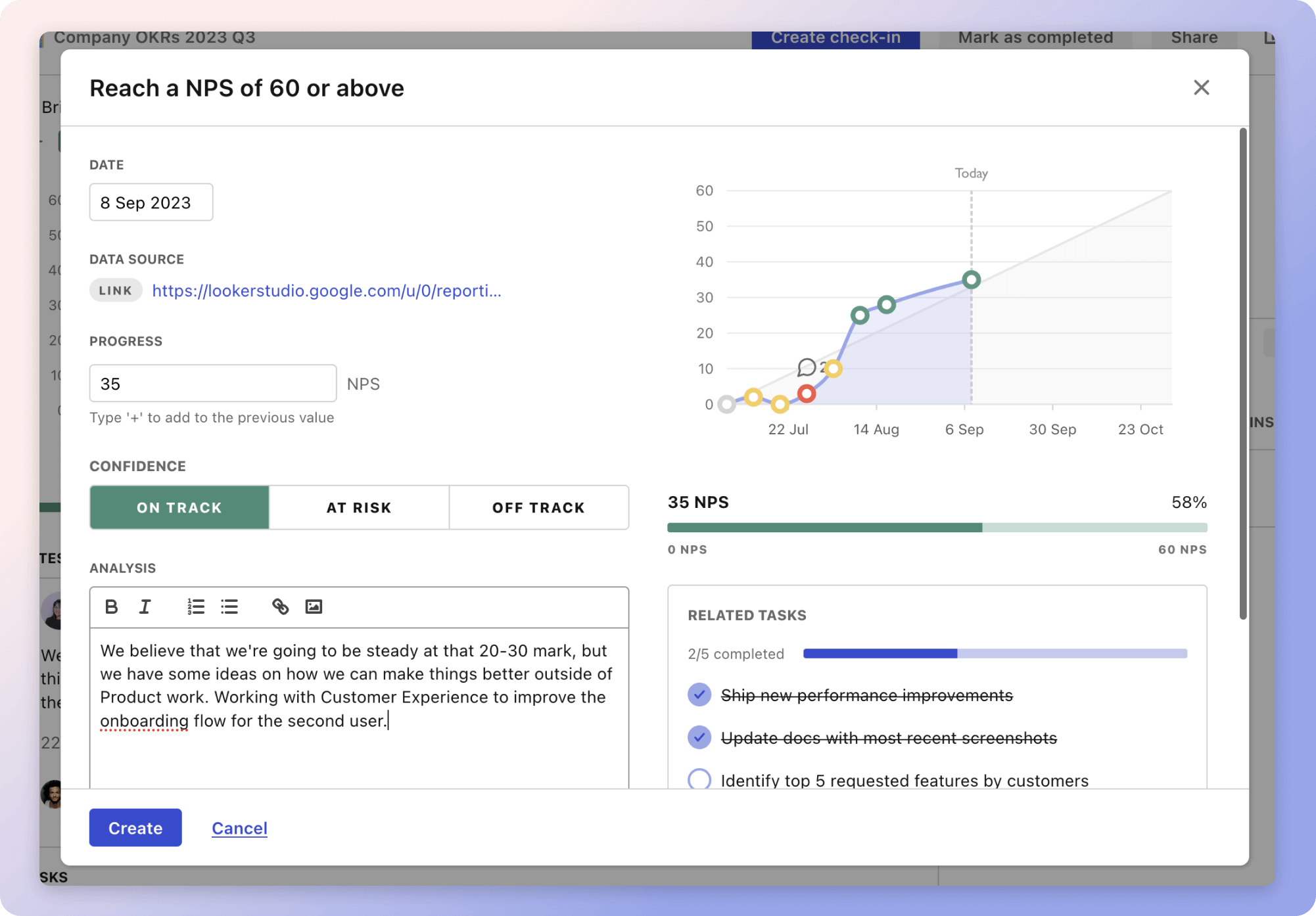
Give it a try and see how it can help you bring accountability to your strategy.