The strategy for "Designing and Implementing Distributed Energy Resources Programs" focuses on cultivating successful renewable energy initiatives within a utility framework. Initially, comprehensive market research is conducted to understand the landscape. This involves identifying key stakeholders, analyzing infrastructure capabilities, and studying regulatory requirements. For example, surveying consumer energy needs helps tailor the program to real-world applications, ensuring consumer-focused solutions.
Next, a scalable DER program framework is developed. This includes selecting technology solutions, partnering with technology providers, and creating pilot programs for testing. A clear objectives-led approach is necessary, ensuring the program's strategic alignment with goals such as increased renewable energy adoption.
Finally, effective implementation and management is paramount. The pilot program is monitored, continuously improved based on participant feedback, and then expanded. Ongoing training, marketing, and regular progress evaluation ensure the program’s sustainability and impact on grid reliability, reinforcing a commitment to renewable energy growth.
The strategies
⛳️ Strategy 1: Conduct comprehensive market research
- Identify key stakeholders in the renewable energy sector
- Analyse current utility infrastructure capabilities
- Evaluate existing DER programs and their outcomes
- Conduct surveys to understand consumer energy needs
- Research regulatory and policy requirements for DER
- Identify potential incentives or funding sources
- Study competitors' DER program strategies
- Compile findings into a comprehensive report
- Present key insights to utility leadership
- Use findings to inform program design
⛳️ Strategy 2: Develop a scalable DER program framework
- Define clear objectives and goals for the program
- Select appropriate technology solutions for DER integration
- Design an initial pilot program for testing
- Establish partnerships with technology providers
- Create a detailed project timeline and milestones
- Develop a budget and financial model for the program
- Draft program policies and procedures
- Design a customer engagement strategy
- Set up a robust monitoring and evaluation system
- Ensure compliance with all regulatory requirements
⛳️ Strategy 3: Implement and manage the DER program effectively
- Launch the pilot program with selected participants
- Monitor program performance and collect data
- Provide ongoing training for staff and stakeholders
- Solicit feedback from participants for program improvement
- Adjust program elements based on pilot results
- Expand the program to a larger customer base
- Promote the benefits of DER through marketing campaigns
- Develop a support and maintenance strategy
- Continuously evaluate the program's impact on grid reliability
- Publish annual progress reports for stakeholders
Bringing accountability to your strategy
It's one thing to have a plan, it's another to stick to it. We hope that the examples above will help you get started with your own strategy, but we also know that it's easy to get lost in the day-to-day effort.
That's why we built Tability: to help you track your progress, keep your team aligned, and make sure you're always moving in the right direction.
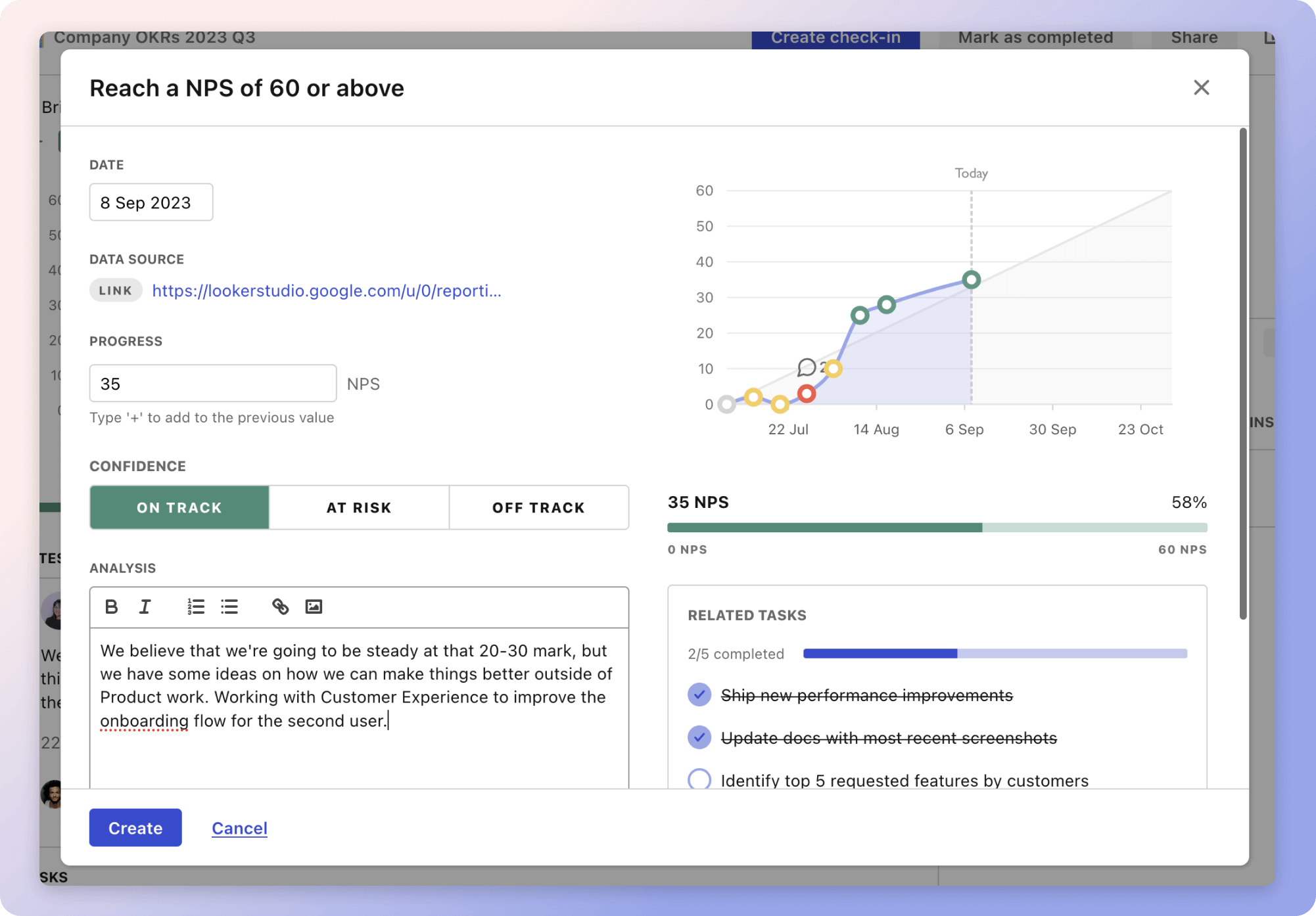
Give it a try and see how it can help you bring accountability to your strategy.