The strategy for starting an automated side business focuses on leveraging digital tools and platforms to maximize efficiency and reach. By creating a content calendar and utilizing scheduling tools like Buffer or Hootsuite, you can seamlessly distribute content targeting a strategic niche audience. For example, automating email marketing sequences enhances engagement without constant manual oversight, allowing monetization through affiliate links and courses.
In offering consulting services, the strategy highlights the use of platforms like Calendly and chatbots to automate client interactions. This implies setting up systems for booking and follow-up, ultimately streamlining communications. For example, automated templates for proposals and contracts save time, enabling more focus on quality service delivery.
The launch of an online membership community involves choosing a platform like Patreon, automating onboarding, and offering exclusive content. This approach includes organizing webinars, live Q&A sessions, and fostering interaction through forums. As an example, creating a referral program boosts membership growth and engagement in a community setting.
The strategies
⛳️ Strategy 1: Leverage digital content creation
- Identify a niche audience that values strategic insights
- Create a content calendar for blog posts and videos on business strategy topics
- Automate content distribution using scheduling tools like Buffer or Hootsuite
- Setup an email marketing platform with automated sequences for engagement
- Use SEO tools to optimise content for search engines
- Monetise content through affiliate links and sponsored posts
- Develop an online course or e-book focused on your expertise
- Set up a payment gateway for selling digital products
- Utilise analytics tools to track audience engagement and content performance
- Integrate feedback loops to continually refine content offerings
⛳️ Strategy 2: Offer consulting services via automated platforms
- Define consulting packages based on your areas of expertise
- Use platforms like Calendly to automate booking and scheduling
- Develop template proposals and contracts for services
- Create a series of webinars or workshops to attract clients
- Use social media ads to target potential businesses needing strategy development
- Automate follow-up emails to capture leads and nurture relationships
- Build a chatbot on your website for instant client inquiries
- Develop SOPs for common client requests to streamline service delivery
- Regularly review automated CRM systems for managing client interactions
- Seek feedback after each engagement to enhance service quality
⛳️ Strategy 3: Launch an online membership community
- Identify a platform to host the community such as Patreon or Mighty Networks
- Create tiered membership options with escalating benefits
- Automate member onboarding processes with welcome emails and guides
- Develop exclusive content for members like webinars and podcasts
- Schedule regular live Q&A sessions using automated reminders
- Setup a forum where members can engage and share insights
- Create a content library that members can access anytime
- Implement a referral program to encourage member growth
- Monitor community engagement metrics to adapt offerings as needed
- Host virtual networking events to foster community bonds
Bringing accountability to your strategy
It's one thing to have a plan, it's another to stick to it. We hope that the examples above will help you get started with your own strategy, but we also know that it's easy to get lost in the day-to-day effort.
That's why we built Tability: to help you track your progress, keep your team aligned, and make sure you're always moving in the right direction.
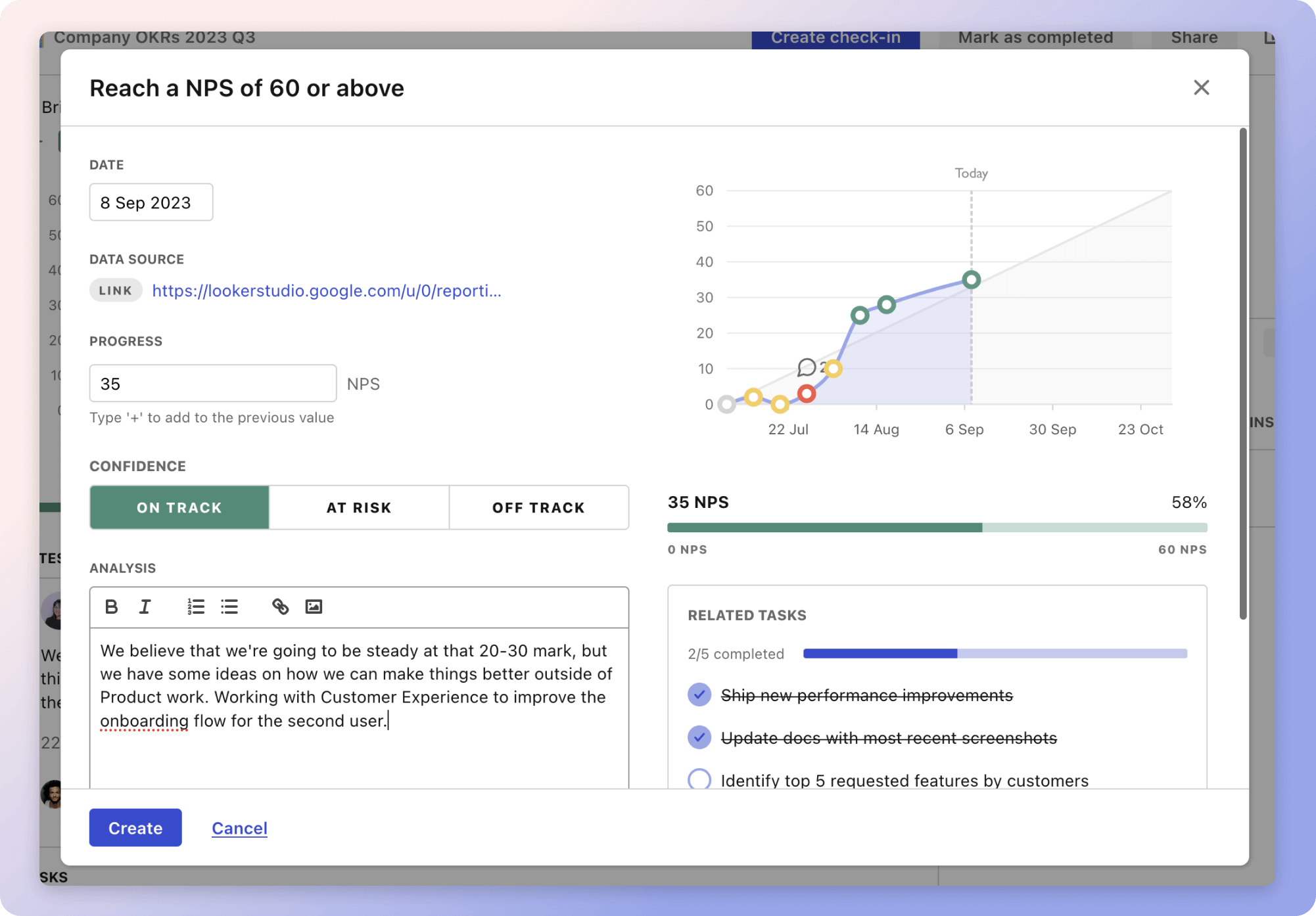
Give it a try and see how it can help you bring accountability to your strategy.