The strategy "Developing talent" is centered around enhancing and maximizing employee skills and potential within an organization. It begins with conducting a needs assessment to identify key skill gaps through surveys and interviews, and by reviewing current performance metrics. For example, meeting with managers and gathering employee feedback can reveal team challenges and desired skills, allowing for a prioritized development list and budget allocation.
Once identified, targeted training programmes are implemented. These are specifically designed to address the skill gaps and can include partnerships with experts for workshops, as well as e-learning platforms for flexibility. Internal mentorship and cross-departmental sessions further reinforce learning, while evaluating training effectiveness ensures goals are met.
Additionally, fostering a culture of continuous learning involves promoting self-directed resources and incentivizing participation in industry events. Creating accessible learning materials and platforms for knowledge sharing, alongside integrating learning into performance appraisals, encourages a proactive approach. Leaders are encouraged to model this behavior, ensuring the overall strategy aligns with business objectives.
The strategies
⛳️ Strategy 1: Conduct a needs assessment
- Identify key skill gaps through surveys and interviews
- Review current performance metrics
- Meet with managers to understand team challenges
- Gather feedback from employees on desired skills
- Analyse industry trends impacting skill requirements
- Create a priority list of skills to develop
- Assess existing training and development programmes
- Determine budget allocation for talent development
- Set clear goals for skill development in alignment with business objectives
- Develop a feedback loop for ongoing needs assessment
⛳️ Strategy 2: Implement targeted training programmes
- Design training programmes specific to identified skill gaps
- Partner with experts or training firms for led seminars and workshops
- Utilise e-learning platforms for flexible training options
- Develop internal mentorship initiatives
- Encourage cross-departmental skill sharing sessions
- Schedule regular training for new technologies or methodologies
- Incorporate hands-on projects to reinforce learning
- Monitor and evaluate training effectiveness
- Adjust programmes based on participant feedback
- Celebrate successful skill advancements
⛳️ Strategy 3: Foster a culture of continuous learning
- Promote self-directed learning resources
- Incentivise participation in industry conferences and events
- Create a library of learning materials accessible to all employees
- Establish regular knowledge-sharing meetings
- Recognise and reward innovative skill application
- Encourage pursuing external certifications relevant to their roles
- Provide platforms for employees to share knowledge
- Integrate learning into performance appraisals
- Encourage leadership to model continuous learning
- Use data analytics to track learning engagement and success rates
Bringing accountability to your strategy
It's one thing to have a plan, it's another to stick to it. We hope that the examples above will help you get started with your own strategy, but we also know that it's easy to get lost in the day-to-day effort.
That's why we built Tability: to help you track your progress, keep your team aligned, and make sure you're always moving in the right direction.
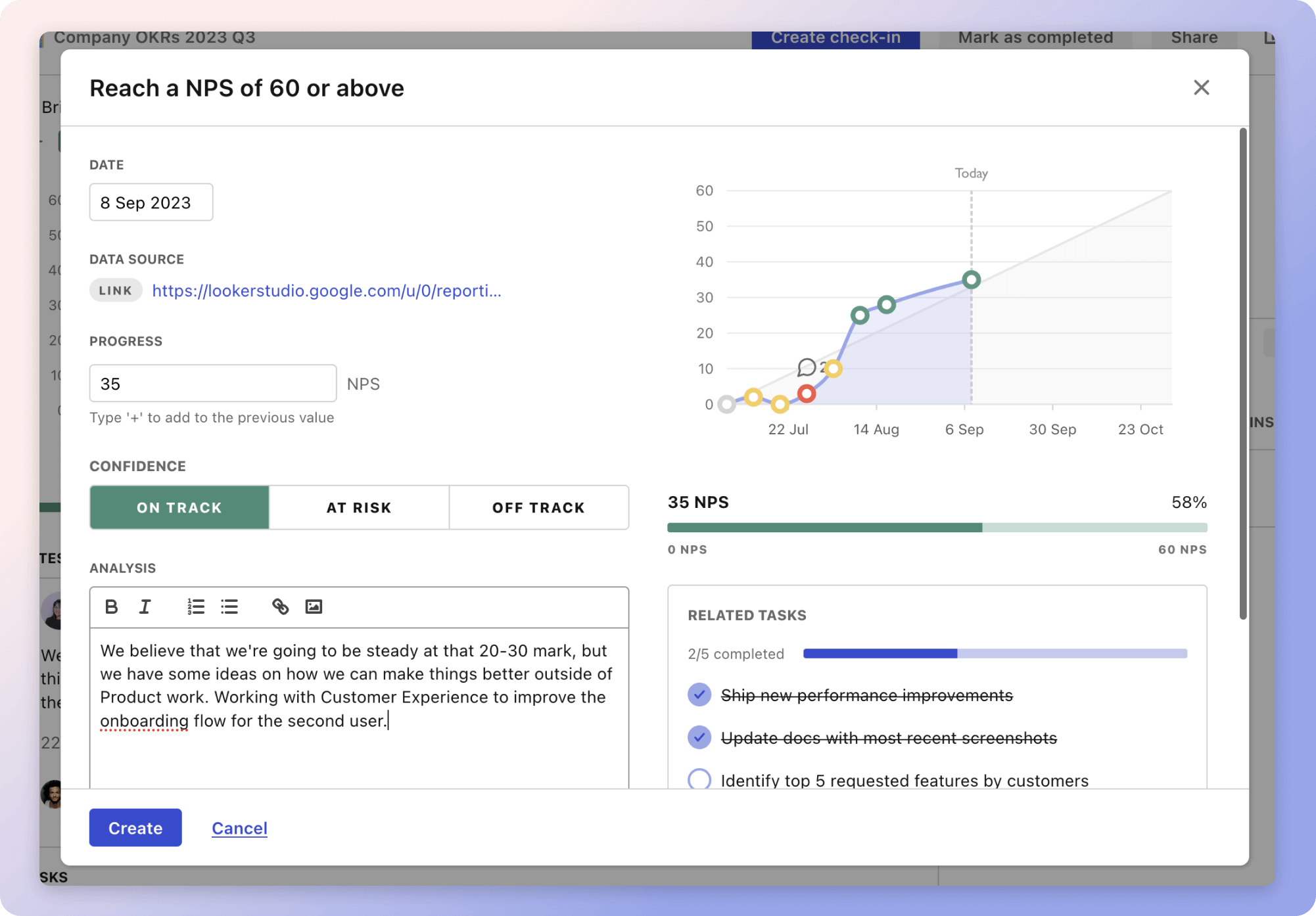
Give it a try and see how it can help you bring accountability to your strategy.