The strategy focuses on implementing an automated scalping system that is both fast and reliable. It starts with developing a custom trading algorithm by hiring a developer skilled in algorithmic trading to define and design an efficient logic tailored for scalping. Real-world application mimics through historical market data testing, optimizing the algorithm, and integrating it with a broker’s API.
Additionally, the strategy involves using expert advisors on trading platforms. By identifying platforms that support these advisors, selecting proven ones, and testing them on demo accounts, traders can transition to live accounts confidently, while engaging with user communities for continuous improvement.
Lastly, implementing a machine learning model involves studying suitable models, choosing frameworks, collecting market data, and training models for scalping. By deploying the model in real-time environments and retraining with feedback, performance is continually enhanced, blending technology with trading for improved accuracy.
The strategies
⛳️ Strategy 1: Develop a custom trading algorithm
- Hire a professional developer experienced in trading algorithms
- Define the trading parameters and criteria for scalping
- Collaborate with developer to design the algorithm logic
- Choose a reliable programming language for the algorithm
- Implement error handling and fail-safes in the code
- Test the algorithm with historical market data
- Optimize the algorithm based on test results
- Integrate the algorithm with a broker's API
- Run simulations to ensure stability
- Launch the algorithm in a monitored environment
⛳️ Strategy 2: Utilise expert advisors on trading platforms
- Identify trading platforms that support expert advisors
- Research and select the most established expert advisors for scalping
- Backtest the expert advisor using historical data
- Adjust parameters for optimal performance
- Start with a demo account to observe results
- Evaluate the risk management capabilities of the expert advisor
- Transition to a live trading account once satisfied
- Regularly monitor and adjust parameters as needed
- Review monthly performance to ensure efficacy
- Engage with user communities for insights and updates
⛳️ Strategy 3: Implement a machine learning model
- Study machine learning models suitable for scalping
- Choose a machine learning framework or library
- Collect and preprocess financial market data
- Train a model to predict market trends for scalping
- Evaluate the model's performance with validation data
- Optimize the model to improve accuracy
- Deploy the model into a real-time trading environment
- Monitor the model's predictions periodically
- Continuously gather feedback data to retrain the model
- Integrate the model with an automated trading system
Bringing accountability to your strategy
It's one thing to have a plan, it's another to stick to it. We hope that the examples above will help you get started with your own strategy, but we also know that it's easy to get lost in the day-to-day effort.
That's why we built Tability: to help you track your progress, keep your team aligned, and make sure you're always moving in the right direction.
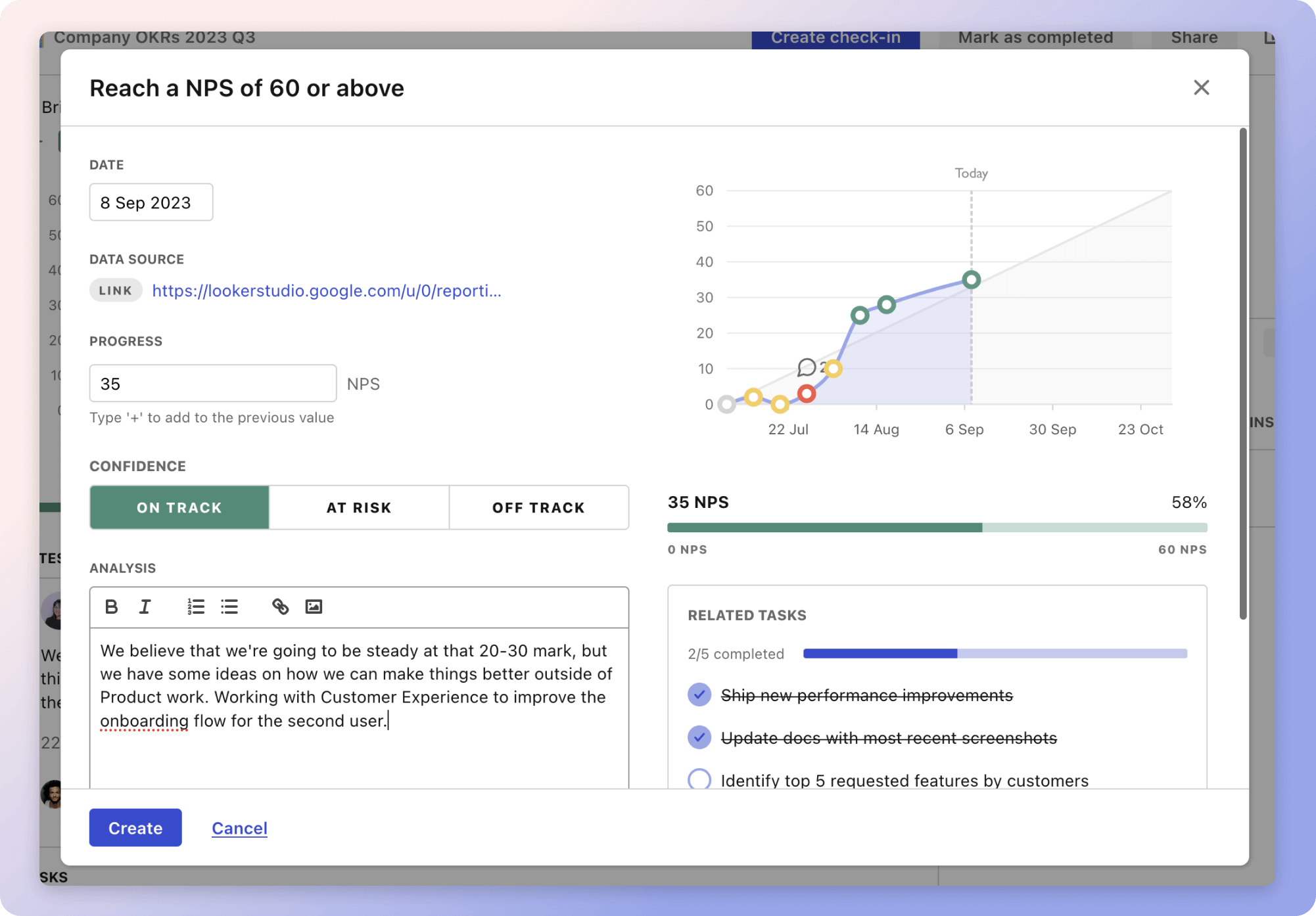
Give it a try and see how it can help you bring accountability to your strategy.