The strategy of engaging a national retailer for electrifying their vehicle fleet is a multi-step process aiming at transitioning to electric solutions. The first phase involves a comprehensive needs assessment where initial meetings with stakeholders help gather insights into current transportation practices. This includes evaluating the existing fleet and infrastructure, researching industry benchmarks, and understanding cost implications and potential savings from transitioning to electric vehicles. For instance, identifying the technological readiness of the retailer's distribution network is crucial to ensure seamless electrification.
Next is designing a structured commercial conversation that aligns with the retailer’s sustainability goals. This involves preparing tailored presentations and narratives that tackle internal concerns while highlighting the benefits of electrification. Including case studies of successful transitions and visual aids can effectively illustrate potential ROI and operational impacts. An interactive Q&A section serves to directly engage stakeholders and address common concerns regarding electric transportation.
The final strategy focuses on facilitating stakeholder alignment and decision-making. Mapping out stakeholders and conducting workshops are essential steps to ensure unified support for the initiative. By presenting tailored information and developing a pilot program proposal, stakeholders can see the tangible benefits of moving towards electric solutions. Collecting feedback, mapping a clear transition roadmap, and involving potential champions within the organization are vital to the proposal's success and implementation.
The strategies
⛳️ Strategy 1: Conduct a comprehensive needs assessment
- Organise initial meetings with key stakeholders to gather information on current transportation practices and identify pain points
- Evaluate the retailer’s current fleet and distribution infrastructure
- Research industry benchmarks for emission reductions and electrification
- Identify cost implications and potential savings from transitioning to electric vehicles
- Develop a detailed report on potential environmental benefits of switching to electric solutions
- Analyse regulatory incentives for electric vehicles that could benefit the retailer
- Assess the technological readiness of the retailer’s distribution network for electrification
- Identify critical decision-makers within the organisation and understand their perspectives
- Determine potential challenges and barriers to implementation
- Draft a summary report highlighting the retailer’s specific needs and opportunities for electrification
⛳️ Strategy 2: Design a structured commercial conversation
- Craft a tailored presentation that aligns with the retailer's sustainability goals
- Develop a compelling narrative that addresses internal concerns and highlights benefits
- Prepare a case study of a similar retailer who successfully transitioned to electric solutions
- Outline a cost-benefit analysis, showcasing potential ROI
- Create visual aids to illustrate the operational impact of proposed solutions
- Prepare talking points that address common concerns about electric transportation
- Rehearse different scenarios to anticipate stakeholder objections and questions
- Incorporate testimonials from existing clients who have transitioned to electric solutions
- Develop an interactive Q&A section to directly engage stakeholders
- Conclude with a call-to-action that encourages commitment to the next step
⛳️ Strategy 3: Facilitate stakeholder alignment and decision-making
- Identify and map out all relevant stakeholders involved in the decision-making process
- Schedule workshops to align stakeholders on the potential impact and benefits of electrification
- Encourage cross-department collaboration to ensure unified support for the initiative
- Present tailored information to different stakeholders based on their roles and priorities
- Develop a pilot program proposal with a set timeline for evaluating electric solutions
- Gather stakeholder feedback and adapt the proposal based on input
- Facilitate regular update meetings to keep stakeholders informed and engaged
- Create a clear roadmap for the transition to electric solutions with set milestones
- Identify potential champions within the organisation to advocate for the project
- Develop a final proposal that includes all stakeholder feedback and consensus
Bringing accountability to your strategy
It's one thing to have a plan, it's another to stick to it. We hope that the examples above will help you get started with your own strategy, but we also know that it's easy to get lost in the day-to-day effort.
That's why we built Tability: to help you track your progress, keep your team aligned, and make sure you're always moving in the right direction.
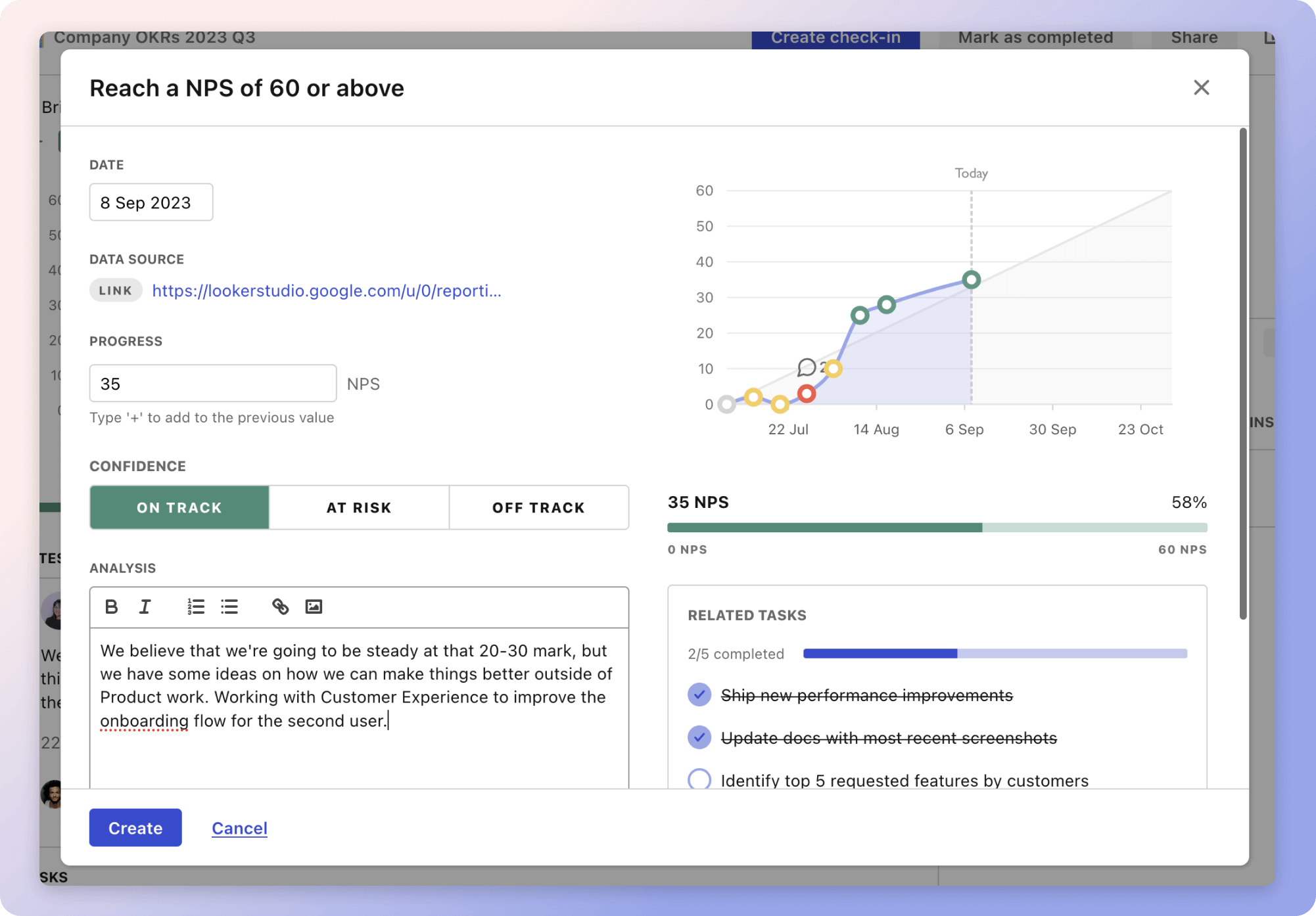
Give it a try and see how it can help you bring accountability to your strategy.