The strategy of designing a career strategy map for independent show promotion involves a structured plan to navigate the music industry over a five-year timeline. Initially, individuals are encouraged to build a solid foundation by gaining hands-on experience through volunteering at local music venues or joining music and event planning organizations. Networking at local music events and gaining certifications in social media marketing also play a crucial role in establishing industry contacts.
As one progresses, the focus shifts towards gaining practical experience and expanding skills. Hosting small DIY shows, managing social media, and engaging in contract negotiation are key steps. This phase emphasizes building a personal brand, networking with booking agents, and learning event financial management for strategic growth.
Finally, scaling towards independent promotion involves organizing events at medium-capacity venues and securing sponsorships to support larger events. Developing partnerships with service providers and hiring assistants for marketing operations are crucial. Continuous learning through industry panels and maintaining relationships with stakeholders ensure sustained success and evolution in this role.
The strategies
⛳️ Strategy 1: Build a solid foundation in the music industry
- Volunteer or intern at local music venues to gain backstage and operations exposure
- Participate in street teams and work part-time at events to understand different roles
- Join local music and event planning organisations for hands-on experience
- Gain online certifications in social media marketing and Google Analytics
- Attend local music networking events to establish industry contacts
- Assist in planning campus or local music events to gain event planning experience
- Research successful local promotion strategies and align them with your goals
- Start building a personal brand through networking and social media presence
- Identify key mentors in the industry and seek guidance
- Take online courses on event safety and alcohol service if required
⛳️ Strategy 2: Gain experience and expand professional skills
- Work as a venue marketing assistant or artist liaison to gain industry understanding
- Host small DIY shows at local coffee shops or bars to build practical experience
- Begin building an email list and social media following for your promotion brand
- Study contract negotiation and artist rider agreements to manage shows effectively
- Learn budgeting and profit-and-loss analysis for event financial management
- Organise small-venue shows with a focus on emerging local artists
- Run digital marketing campaigns for your events to improve attendance
- Network with booking agents and budding artists for future collaborations
- Track and analyse show performance for better strategic planning
- Engage with other local promoters to learn through co-promotions
⛳️ Strategy 3: Scale your brand towards independent promotion
- Consistently book and organise shows at medium-capacity venues to grow your reputation
- Secure sponsorships from local businesses to support larger events
- Consider managing a local artist to expand contacts and experience
- Develop partnerships with sound and lighting companies for quality events
- Host larger monthly shows and explore opportunities in local festivals
- Hire part-time assistants to support marketing and logistical operations
- Optimise business processes by setting up LLC, obtaining event insurance, and systems for accounting
- Regularly attend industry panels and workshops for continued learning
- Maintain relationships with key stakeholders like booking agents, venue managers, and sponsors
- Evaluate and refine business strategy based on feedback and financial performance
Bringing accountability to your strategy
It's one thing to have a plan, it's another to stick to it. We hope that the examples above will help you get started with your own strategy, but we also know that it's easy to get lost in the day-to-day effort.
That's why we built Tability: to help you track your progress, keep your team aligned, and make sure you're always moving in the right direction.
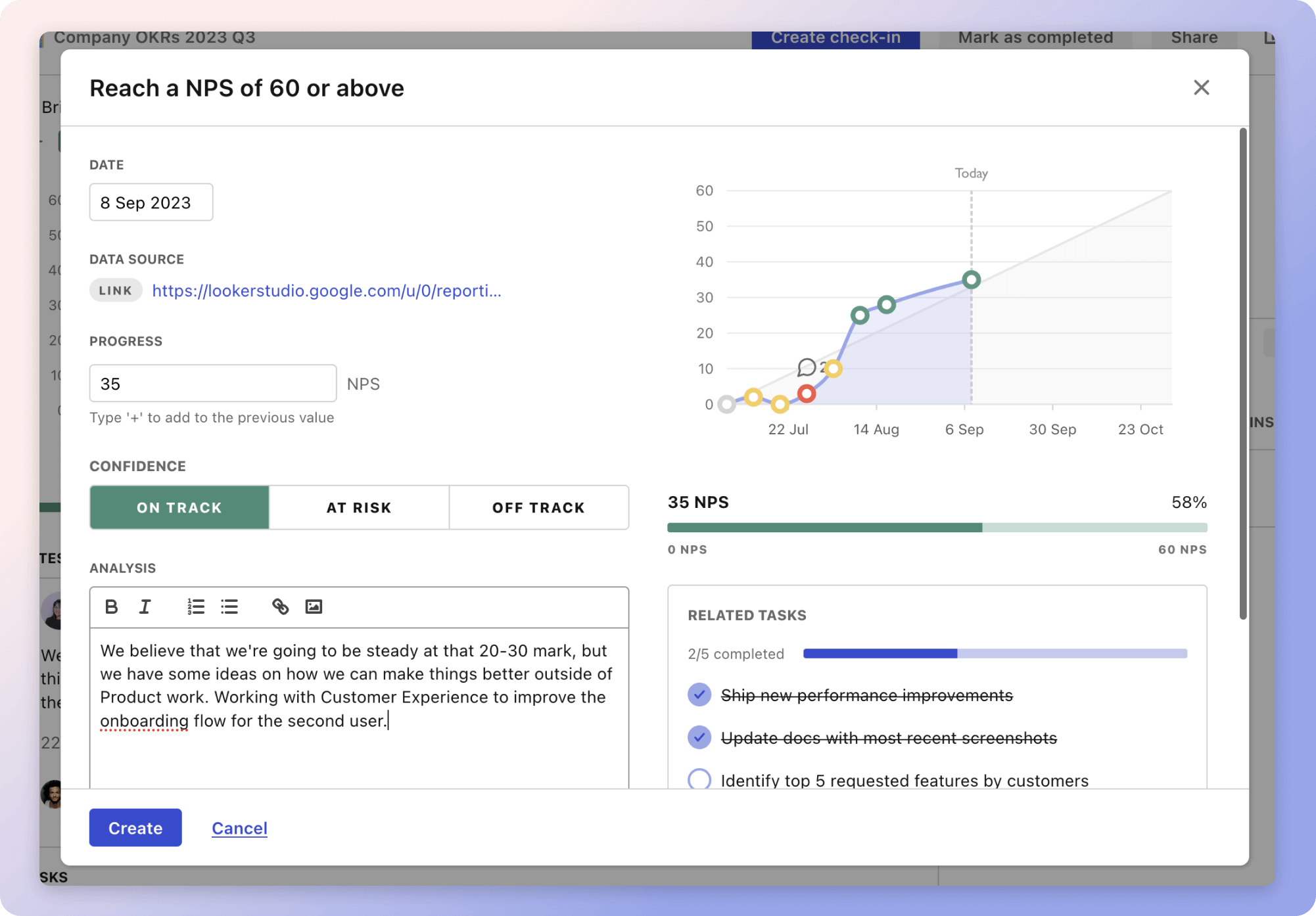
Give it a try and see how it can help you bring accountability to your strategy.