The strategy emphasizes enhancing student engagement with learning content by integrating interactive elements, personalizing learning experiences, and fostering a supportive learning environment. Incorporating interactive elements can make lessons more dynamic and engaging. For example, using quizzes and polls helps check student understanding, while gamification can motivate participation through rewards like points and badges. Personalizing learning ensures that individual student needs and interests are addressed. By adapting content to suit different learning styles and offering choices in learning paths, students can engage more meaningfully. Lastly, a supportive environment nurtures a culture of belonging; establishing clear expectations and celebrating achievements encourages open communication and enhances community spirit.
The strategies
⛳️ Strategy 1: Incorporate interactive elements
- Use quizzes and polls during lessons to check understanding
- Implement gamification with points and badges for participation
- Include videos and animations to illustrate key concepts
- Initiate peer discussion groups for collaborative learning
- Use digital tools that allow for real-time feedback
- Encourage students to create content based on their learning
- Organise virtual field trips related to the subject matter
- Incorporate problem-solving activities
- Provide case studies for students to analyse
- Use interactive simulations to replicate real-world scenarios
⛳️ Strategy 2: Personalise learning experiences
- Conduct surveys to understand students' interests
- Adapt content to suit different learning styles
- Set personalised learning goals and track progress
- Offer students choices in their learning paths
- Implement adaptive learning technologies
- Provide feedback tailored to individual student needs
- Schedule one-on-one meetings to discuss progress
- Allow students to select projects that interest them
- Use student data to adjust lesson plans
- Organise mentorship opportunities with teachers
⛳️ Strategy 3: Foster a supportive learning environment
- Create a welcoming and respectful classroom culture
- Establish clear expectations and routines
- Recognise and celebrate student achievements
- Encourage open communication and feedback
- Ensure access to resources and materials for all students
- Build strong relationships with students
- Facilitate classroom activities that promote a sense of belonging
- Provide peer support systems and study groups
- Train teachers in diversity and inclusivity practices
- Organise community-building events and activities
Bringing accountability to your strategy
It's one thing to have a plan, it's another to stick to it. We hope that the examples above will help you get started with your own strategy, but we also know that it's easy to get lost in the day-to-day effort.
That's why we built Tability: to help you track your progress, keep your team aligned, and make sure you're always moving in the right direction.
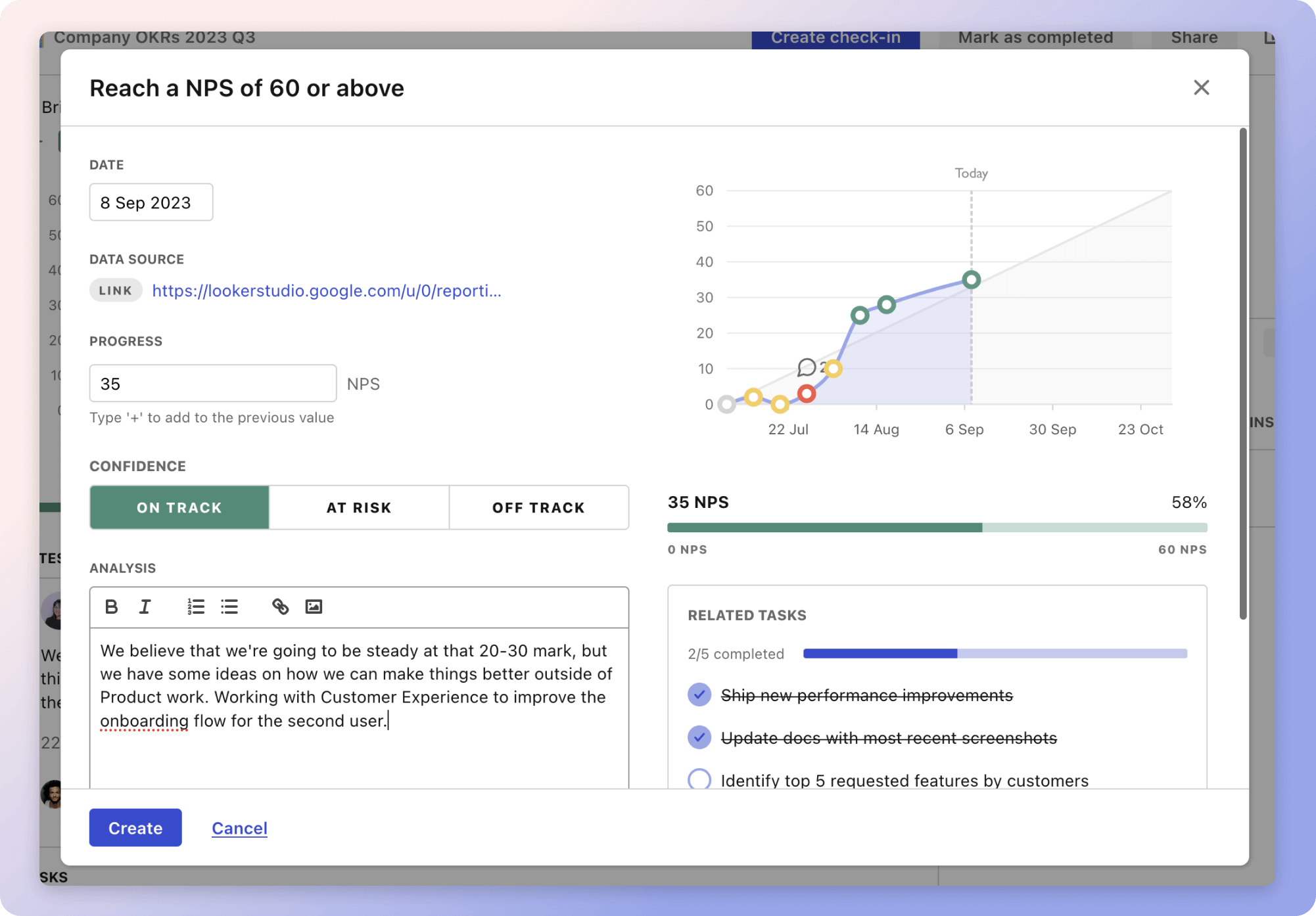
Give it a try and see how it can help you bring accountability to your strategy.