The strategy of "Minimising potential losses" aims to avoid incurring financial losses in any situation. It starts with conducting thorough research to identify market trends and cycles, analyze competitor strategies, and consult industry experts. For instance, studying past case studies helps anticipate potential pitfalls.
Implementing risk management techniques is crucial. This includes diversifying investments, setting stop-loss orders, and drafting contingency plans. For example, maintaining an emergency fund can cover unexpected expenses, ensuring financial stability.
Finally, strengthening financial foundations involves building cash reserves and improving asset allocation. Negotiating better terms with suppliers helps reduce costs, thereby securing financial footing and ensuring sustained growth.
The strategies
⛳️ Strategy 1: Conduct thorough research
- Identify market trends and cycles
- Analyze competitor strategies
- Study past case studies of similar situations
- Consult with industry experts for insights
- Perform a risk assessment for potential scenarios
- Gather feedback from potential customers
- Measure demand using surveys and focus groups
- Invest in continuous learning and training
- Track financial performance over time
- Evaluate external economic factors and how they may influence outcomes
⛳️ Strategy 2: Implement risk management techniques
- Diversify investments to spread risk
- Set stop-loss orders for trading activities
- Utilize hedging strategies to counterbalance potential losses
- Maintain an emergency fund for unexpected expenses
- Continuously monitor and adjust financial exposures
- Draft contingency plans for unexpected downturns
- Engage in scenario planning for adverse conditions
- Consider insurance options to protect against unforeseeable events
- Establish clear financial goals and limits
- Regularly review risk mitigation strategies for improvements
⛳️ Strategy 3: Strengthen financial foundations
- Build robust cash reserves
- Improve asset allocation to align with risk tolerance
- Seek professional financial advice regularly
- Implement a disciplined budgeting system
- Ensure all transactions are accurately recorded and monitored
- Negotiate better terms with suppliers and vendors
- Prioritise paying down high-interest debts
- Optimize tax strategies and entitlements
- Foster strong relationships with reliable business partners
- Regularly update financial projections and adjust plans accordingly
Bringing accountability to your strategy
It's one thing to have a plan, it's another to stick to it. We hope that the examples above will help you get started with your own strategy, but we also know that it's easy to get lost in the day-to-day effort.
That's why we built Tability: to help you track your progress, keep your team aligned, and make sure you're always moving in the right direction.
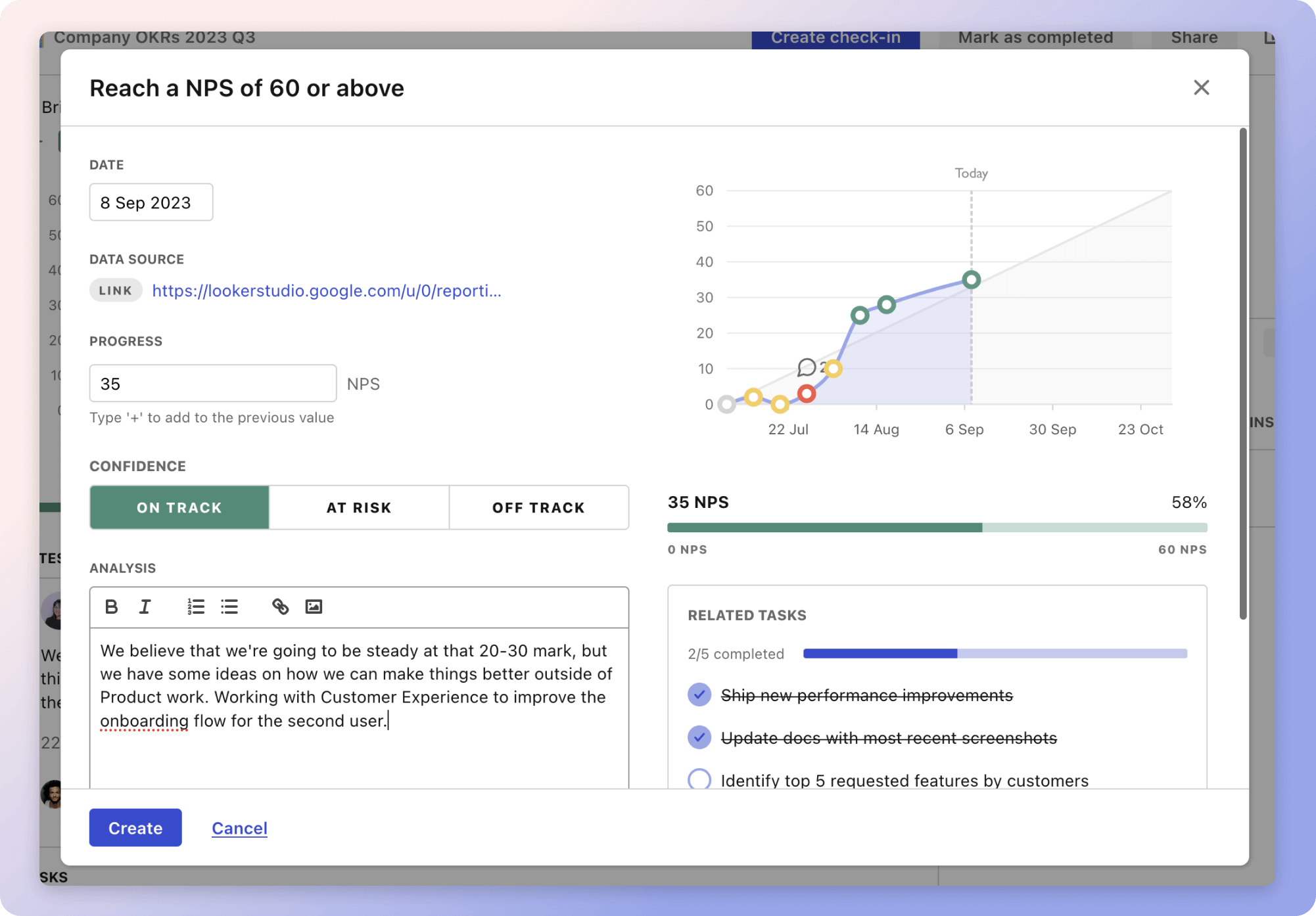
Give it a try and see how it can help you bring accountability to your strategy.