The strategy for providing technical and warranty support for electric bikes involves several key components. Firstly, building a comprehensive support team is essential. This includes hiring experienced technicians, providing regular training, and creating communication protocols for coherence. For example, monthly sessions on new technologies can ensure that staff remain updated. A mentorship program for junior technicians can further enhance team capability by fostering knowledge transfer.
Implementing an efficient support system is another critical aspect. Setting up a dedicated hotline and using a ticketing system helps manage support requests effectively. Offering multichannel support ensures customer accessibility, while integrating CRM tools facilitates seamless interactions. Additionally, a self-service portal with guides and FAQs allows customers to troubleshoot basic issues independently.
Lastly, enhancing warranty management processes is crucial. Clear communication of warranty policies and automated claim processes can streamline customer service. A digital registration system and partnerships with service centers offer convenience to the customers. By analyzing warranty data, companies can identify common issues and provide targeted solutions, ensuring a high level of customer satisfaction.
The strategies
⛳️ Strategy 1: Build a comprehensive support team
- Hire experienced technicians with knowledge of electric bikes
- Train support staff on common electric bike issues
- Develop a knowledge base for internal use
- Assign a team leader to oversee support operations
- Create communication protocols for team coherence
- Organise monthly training sessions on new technologies
- Develop a feedback loop from technicians to product development
- Use customer feedback to improve troubleshooting processes
- Allocate resources for continuous learning and certification
- Implement a mentorship programme for junior technicians
⛳️ Strategy 2: Implement an efficient support system
- Set up a dedicated hotline for technical support
- Use a ticketing system to track and manage support requests
- Create a flowchart of common troubleshooting steps
- Offer multichannel support: phone, email, and live chat
- Establish criteria for cases that require warranty support
- Monitor response times and aim to resolve issues promptly
- Implement quality assurance checks on support responses
- Regularly conduct customer satisfaction surveys
- Develop a self-service portal with guides and FAQs
- Integrate CRM tools for seamless customer interaction
⛳️ Strategy 3: Enhance warranty management processes
- Develop clear warranty policies and communicate them to customers
- Create a digital warranty registration system
- Automate warranty claim processes wherever possible
- Keep a record of all registered warranties and corresponding terms
- Set up a robust system for verifying warranty claims
- Train staff on identifying valid warranty claims
- Establish partnerships with service centres for convenient repairs
- Analyse warranty data to identify patterns and common issues
- Offer extended warranty options as an upsell
- Create a feedback mechanism to measure warranty satisfaction
Bringing accountability to your strategy
It's one thing to have a plan, it's another to stick to it. We hope that the examples above will help you get started with your own strategy, but we also know that it's easy to get lost in the day-to-day effort.
That's why we built Tability: to help you track your progress, keep your team aligned, and make sure you're always moving in the right direction.
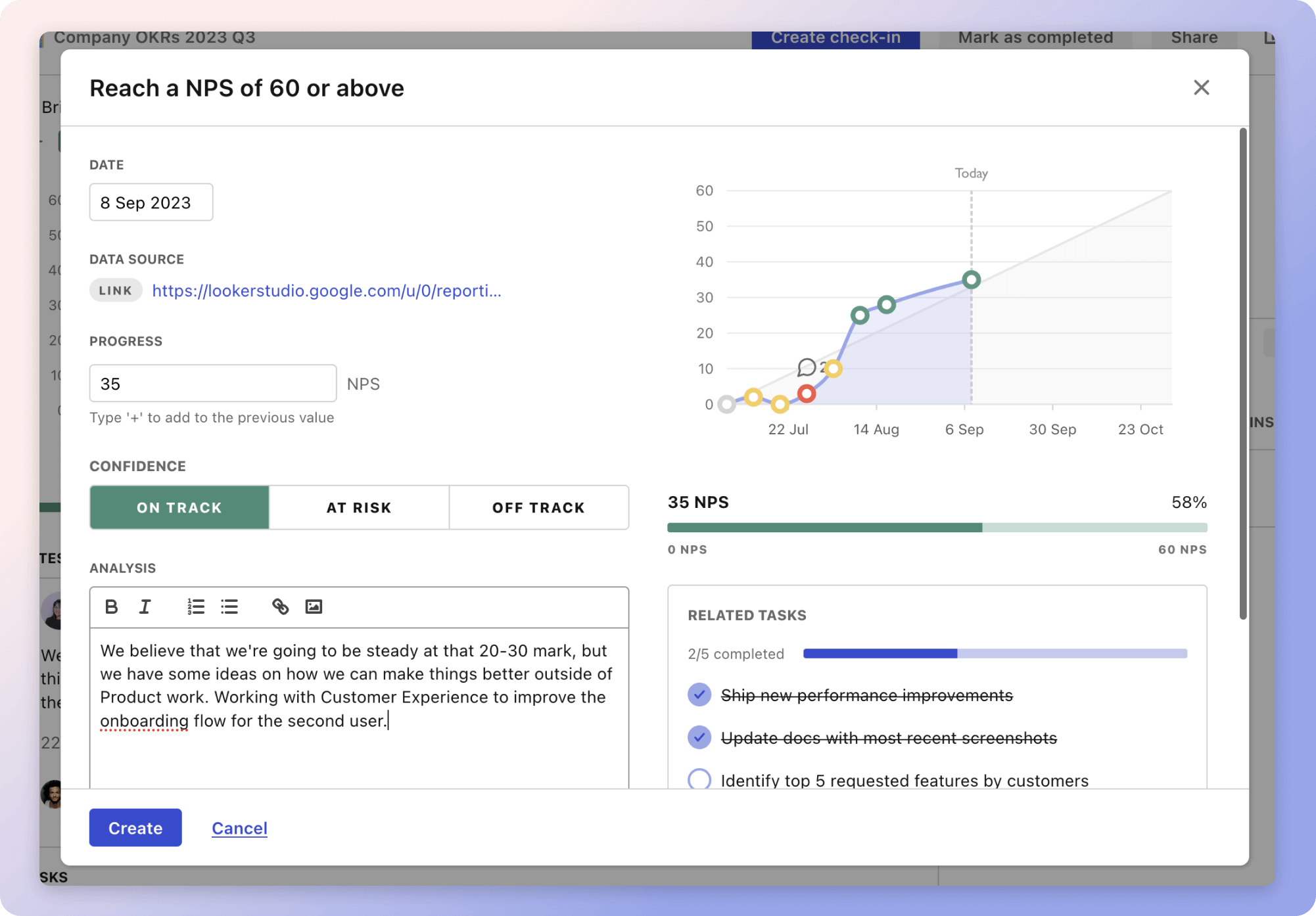
Give it a try and see how it can help you bring accountability to your strategy.