The strategy is focused on upskilling a team of professionals in new software applications. It emphasizes peer-led training sessions, where team members are encouraged to lead instructional sessions on various software applications, supported by a shared digital repository for resources and a peer feedback system. An example would be dividing topics such as graphic design or data analysis among team members who are interested in them.
Additionally, project-based learning is promoted by forming sub-groups responsible for different components of a project. Each subgroup uses different software, fostering cross-functional learning. For instance, one group might focus on creating reports using new analytical tools, while another handles graphics creation.
Engaging with external resources such as online courses is also part of the strategy. This involves curating a list of reputable courses and encouraging team members to share knowledge gained, leading to internal hackathons to practice new skills.
The strategies
⛳️ Strategy 1: Facilitate peer-led training sessions
- Identify key software applications that need to be learned
- Divide software topics equally among team members based on interest
- Schedule regular training sessions led by team members
- Encourage the use of online resources and tutorials
- Develop a peer feedback system for each session
- Create a shared digital repository for training materials
- Organise a Q&A forum for ongoing support
- Facilitate peer assessments to check knowledge retention
- Recognise and reward team members for well-conducted sessions
- Review and refine the training process based on feedback
⛳️ Strategy 2: Establish collaborative project-based learning
- Select a project that requires the use of new software applications
- Form sub-groups tasked with specific project components
- Ensure each subgroup uses a different software application
- Set clear project milestones and deadlines
- Conduct weekly project status meetings
- Encourage cross-subgroup knowledge exchange
- Document learning experiences and insights
- Use project results to demonstrate software proficiency
- Celebrate project completion with a showcase event
- Reflect on project learnings and software usage challenges
⛳️ Strategy 3: Engage in external skill development resources
- Curate a list of reputable online courses and certification programmes
- Allocate a professional development budget for each team member
- Establish a timeline for course completion shared by all
- Encourage participation in online webinars and seminars
- Foster a culture of sharing newfound knowledge within the team
- Assign team members as mentors for specific software skills
- Integrate learning recap sessions after course completion
- Organise internal hackathons using new skills
- Evaluate skill improvements through testing
- Incorporate new software skills into regular work tasks
Bringing accountability to your strategy
It's one thing to have a plan, it's another to stick to it. We hope that the examples above will help you get started with your own strategy, but we also know that it's easy to get lost in the day-to-day effort.
That's why we built Tability: to help you track your progress, keep your team aligned, and make sure you're always moving in the right direction.
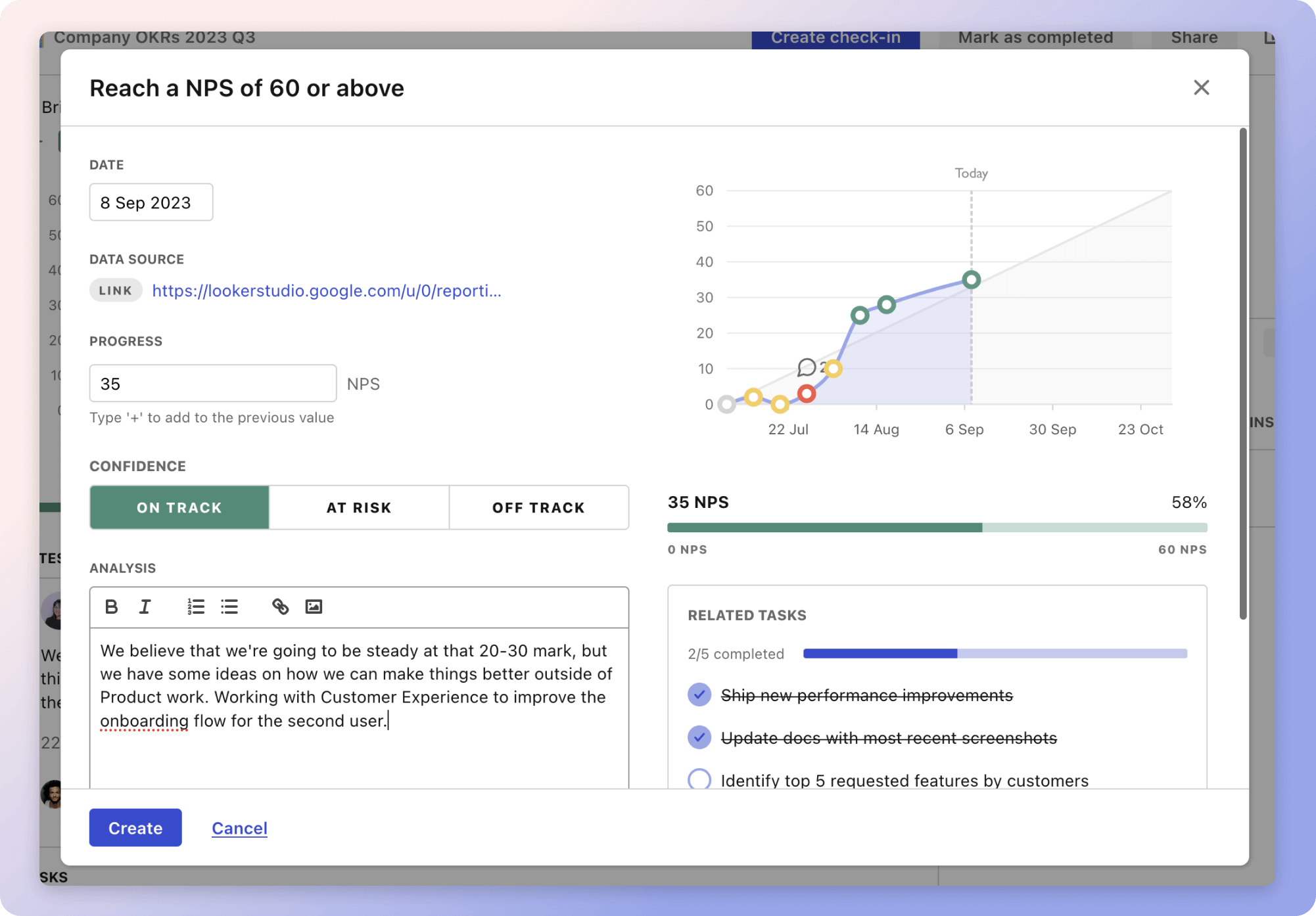
Give it a try and see how it can help you bring accountability to your strategy.