The strategy outlined revolves around revitalizing a challenging customer relationship by analyzing current practices, enhancing communication, and optimizing delivery models. Initially, a comprehensive analysis is conducted to identify factors leading to negative margins. For example, understanding the customer's expectations versus the service provided could reveal gaps needing attention. This phase also involves benchmarking against competitors to highlight potential improvements.
Enhancing communication is crucial, as illustrated by organizing meetings to openly discuss concerns and crafting a customer service plan for consistent engagement. Assigning a key account manager ensures a dedicated point of contact, helping maintain transparent updates and fostering a stronger relationship.
Optimizing the delivery model includes revising pricing strategies and introducing tiered service packages, crucial for aligning costs with customer value. Implementing cost-saving measures, like process automation, can significantly improve margins. Additionally, evaluating the potential for cross-selling services may provide avenues for improving the overall financial performance while catering to customer needs.
The strategies
⛳️ Strategy 1: Conduct a comprehensive analysis
- Identify all aspects of the customer relationship contributing to negative margins
- Assess the cost structure and pricing model currently in use
- Analyse customer expectations versus current service delivery
- Gather feedback from team members involved in delivery
- Research industry standards and best practices for similar services
- Benchmark against competitors offering similar solutions
- Identify inefficiencies in the current delivery process
- Evaluate the effectiveness of current communication strategies
- Compile findings into a detailed report
- Utilise data to outline potential adjustment opportunities
⛳️ Strategy 2: Enhance customer communication
- Organise a meeting with the customer to discuss current concerns and expectations
- Clearly present the analysis findings and potential solutions
- Propose a revised model that maintains service quality but improves margins
- Establish a regular communication schedule to discuss project progress
- Designate a key account manager for consistent customer engagement
- Ensure transparent updates about any changes in service delivery
- Listen attentively to customer feedback and incorporate insights
- Develop a documented customer service plan to address issues
- Set measurable goals for improving the relationship
- Use digital tools to ensure communication efficiency
⛳️ Strategy 3: Optimise the delivery model
- Revise pricing strategy to accurately reflect the cost of services
- Implement cost-saving measures such as resource reallocation or process automation
- Introduce tiered service packages to offer Kunden value options
- Review supplier arrangements and negotiate better terms if applicable
- Invest in training for team members to improve productivity
- Set clear efficiency targets and regularly review progress
- Utilise project management tools to track deliverables and costs
- Experiment with a flexible workforce to match service demands
- Evaluate the feasibility of cross-selling services to balance margins
- Create a customer retention strategy to encourage loyalty and repeat business
Bringing accountability to your strategy
It's one thing to have a plan, it's another to stick to it. We hope that the examples above will help you get started with your own strategy, but we also know that it's easy to get lost in the day-to-day effort.
That's why we built Tability: to help you track your progress, keep your team aligned, and make sure you're always moving in the right direction.
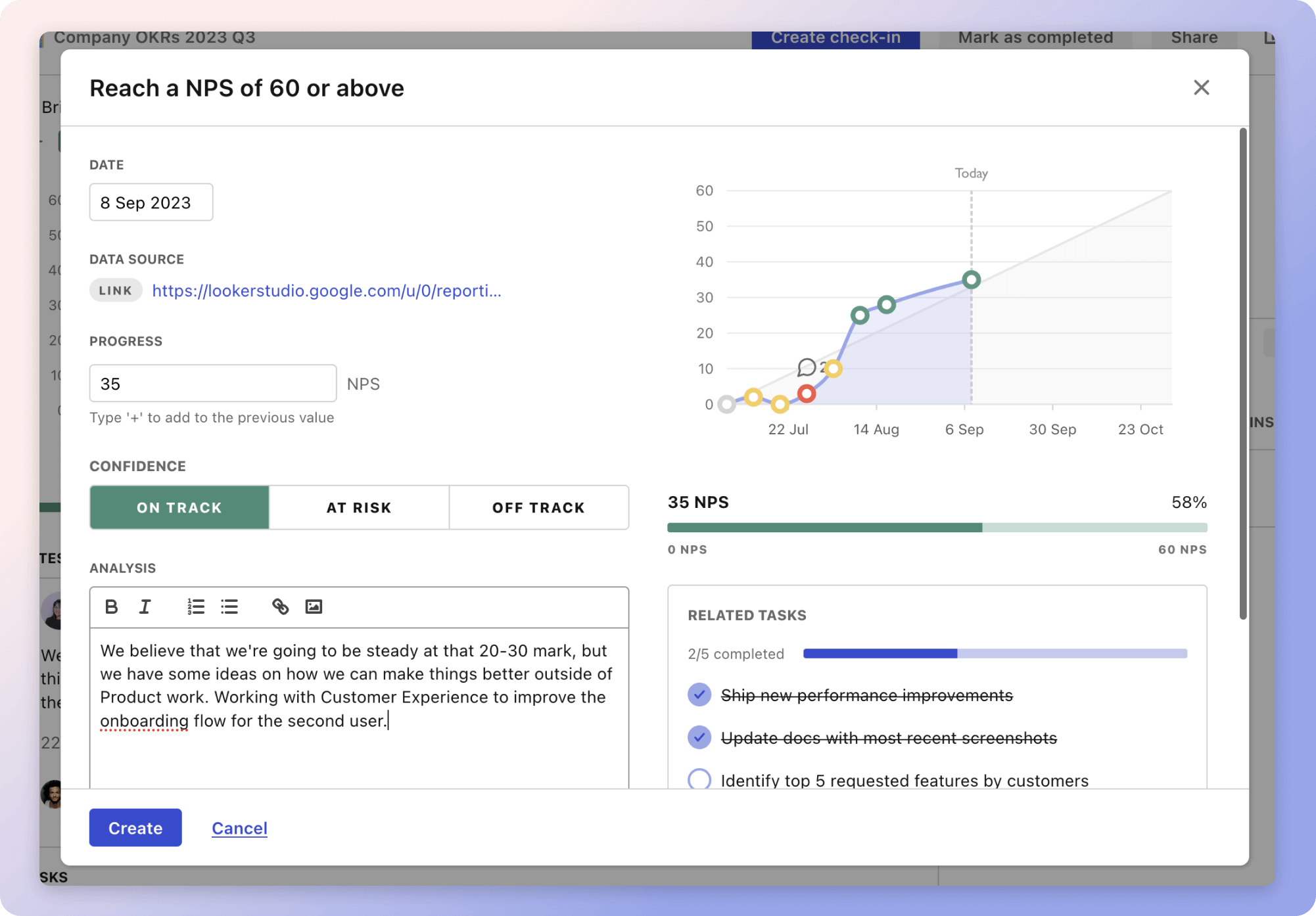
Give it a try and see how it can help you bring accountability to your strategy.