The strategy outlined focuses on developing a support group for human trafficking survivors within a Coast Salish Native American tribe. Firstly, the strategy emphasizes establishing a clear vision and mission. By engaging community leaders and stakeholders, a collective vision that resonates with the tribe's cultural values and the survivors' needs is crafted. It is important to not only create a reflective mission statement but also involve the community to ensure relevancy and alignment with empowerment and healing objectives. Publicising this vision ensures widespread community awareness and support.
Secondly, the strategy suggests creating a structured support group schedule. By determining convenient meeting times for participants through surveys and securing safe and confidential spaces, regular sessions that focus on sharing, education, and healing are established. Incorporating traditional healing practices and inviting guest speakers enriches the support network, while allowing space for peer support and feedback facilitates continuous improvement and individual well-being assessments.
Lastly, developing an empowering and culturally sensitive brand is crucial. Collaborating with tribe artisans to create meaningful branding that resonates with the community ensures the support group reflects strength and resilience. The use of storytelling in promotional material and leveraging partnerships with aligned local organizations helps in broadening reach and engagement. Training volunteers on brand representation further solidifies the group’s identity and impact.
The strategies
⛳️ Strategy 1: Establish a clear vision and mission
- Host a brainstorming session with community leaders and stakeholders to define a collective vision
- Draft a mission statement that reflects the goals and cultural values of the tribe
- Incorporate elements of empowerment, healing, and community support into the mission
- Engage feedback from survivors to ensure the vision and mission are survivor-centric
- Refine and finalise the vision and mission through community consultation
- Publicise the vision and mission within the tribe to gain widespread awareness
- Develop promotional materials that convey the vision and mission visually
- Integrate the vision and mission into all program communications and activities
- Regularly review the vision and mission to ensure they remain relevant and impactful
- Embed the mission into the group's evaluation and success metrics
⛳️ Strategy 2: Create a structured support group schedule
- Determine the most suitable days and times for meetings through community survey
- Set a consistent frequency for meetings, such as weekly or bi-weekly sessions
- Identify and secure a safe, confidential, and accessible meeting space
- Develop a flexible agenda template to guide each session
- Include regular segments for sharing, education, and healing practices
- Invite guest speakers or professionals to provide insights and support
- Incorporate traditional Coast Salish healing methods and practices
- Create opportunities for peer support and relationship building
- Implement a feedback mechanism for participants to suggest improvements
- Schedule check-ins with individual members to assess their well-being
⛳️ Strategy 3: Develop an empowering and culturally sensitive brand
- Collaborate with tribe artisans to design a meaningful name and logo
- Ensure the name reflects strength, hope, and resilience in the native language
- Design promotional materials that honour Coast Salish cultural identity
- Create a website or social media presence to reach a wider audience
- Utilise storytelling and testimonials in marketing materials
- Strengthen partnerships with local organisations with similar values
- Ensure branding is reflected in all aspects of the group’s activities
- Develop easily identifiable materials like flyers and brochures
- Train volunteers and staff on brand representation and values
- Launch an awareness campaign using strategic branding to attract members
Bringing accountability to your strategy
It's one thing to have a plan, it's another to stick to it. We hope that the examples above will help you get started with your own strategy, but we also know that it's easy to get lost in the day-to-day effort.
That's why we built Tability: to help you track your progress, keep your team aligned, and make sure you're always moving in the right direction.
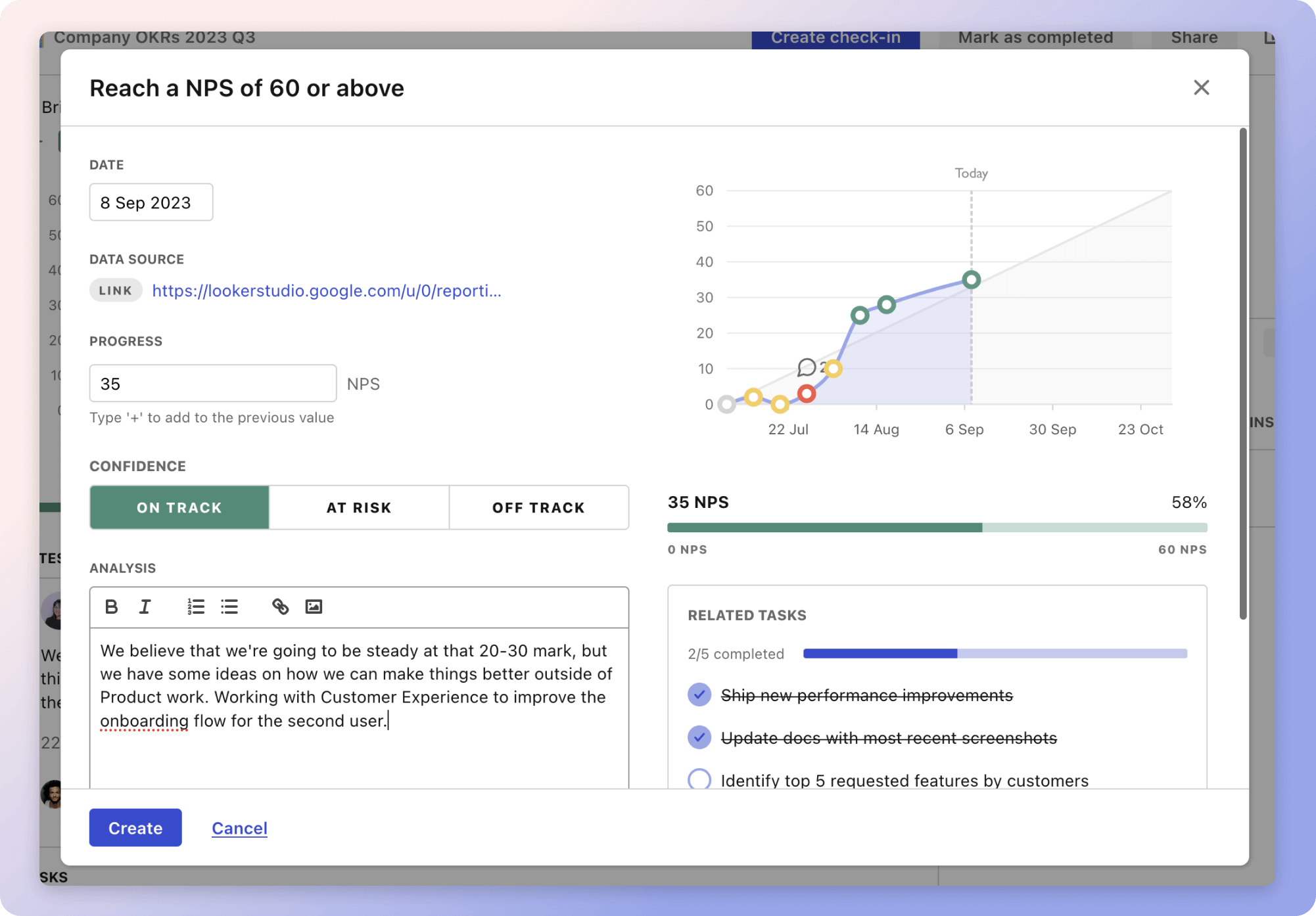
Give it a try and see how it can help you bring accountability to your strategy.