The strategy for starting an outreach ministry is meticulously designed to foster meaningful relationships and spiritual growth within the community. Initially, it involves building a strong foundation by assembling a dedicated team, clarifying the mission, and securing resources. For example, securing initial funding and forming partnerships with local churches are critical steps in laying a stable base for the ministry's operations.
Engaging the community stands at the heart of the strategy. It encourages organizing events to build trust and develop programs that address community needs. An excellent example is celebrating cultural events which, in turn, fosters shared understanding and common ground among diverse groups. By mentoring potential leaders and integrating them into the community, the ministry ensures that its efforts are both sustainable and impactful.
Lastly, developing discipleship pathways is pivotal for long-term spiritual growth. It involves creating structured learning opportunities and mentorship programs. By offering retreats and seminars, the strategy aims to deepen members' faith and foster a communal worship environment, essential for nurturing spiritual maturity and promoting active ministry participation.
The strategies
⛳️ Strategy 1: Build a strong foundation
- Identify a core team of committed individuals to support the ministry
- Develop a clear vision and mission statement for the outreach efforts
- Conduct a needs assessment to understand the community's specific needs
- Create a budget and secure initial funding for the ministry
- Establish partnerships with local churches and organisations
- Set up a regular meeting schedule for planning and reflection
- Design a flexible framework that allows for scalability
- Create a communication plan to keep all stakeholders informed
- Develop a system for tracking progress and impact
- Pray for guidance and discernment in the decision-making processes
⛳️ Strategy 2: Engage the community
- Organise community events to build relationships and trust
- Develop programmes that address the needs identified in the assessment
- Recruit and train volunteers to support the ministry activities
- Foster genuine relationships by spending quality time with participants
- Encourage open dialogue and feedback to understand community concerns
- Create spaces for shared worship and prayer to build spiritual growth
- Utilise social media and online platforms to reach a broader audience
- Implement service projects that meet tangible community needs
- Celebrate cultural events and traditions to develop common ground
- Evaluate the effectiveness of outreach approaches and adapt as necessary
⛳️ Strategy 3: Develop discipleship pathways
- Create a structured curriculum for spiritual growth and learning
- Identify and mentor potential leaders from within the community
- Facilitate small group studies to deepen understanding and faith
- Offer workshops and seminars focused on spiritual development
- Organise retreats and spiritual conferences for intensive experiences
- Provide resources and materials to encourage individual study
- Establish a mentorship programme connecting new and mature believers
- Encourage service and ministry participation as a part of discipleship
- Host regular gatherings for communal worship and sharing testimonies
- Continuously assess and refine the discipleship process for effectiveness
Bringing accountability to your strategy
It's one thing to have a plan, it's another to stick to it. We hope that the examples above will help you get started with your own strategy, but we also know that it's easy to get lost in the day-to-day effort.
That's why we built Tability: to help you track your progress, keep your team aligned, and make sure you're always moving in the right direction.
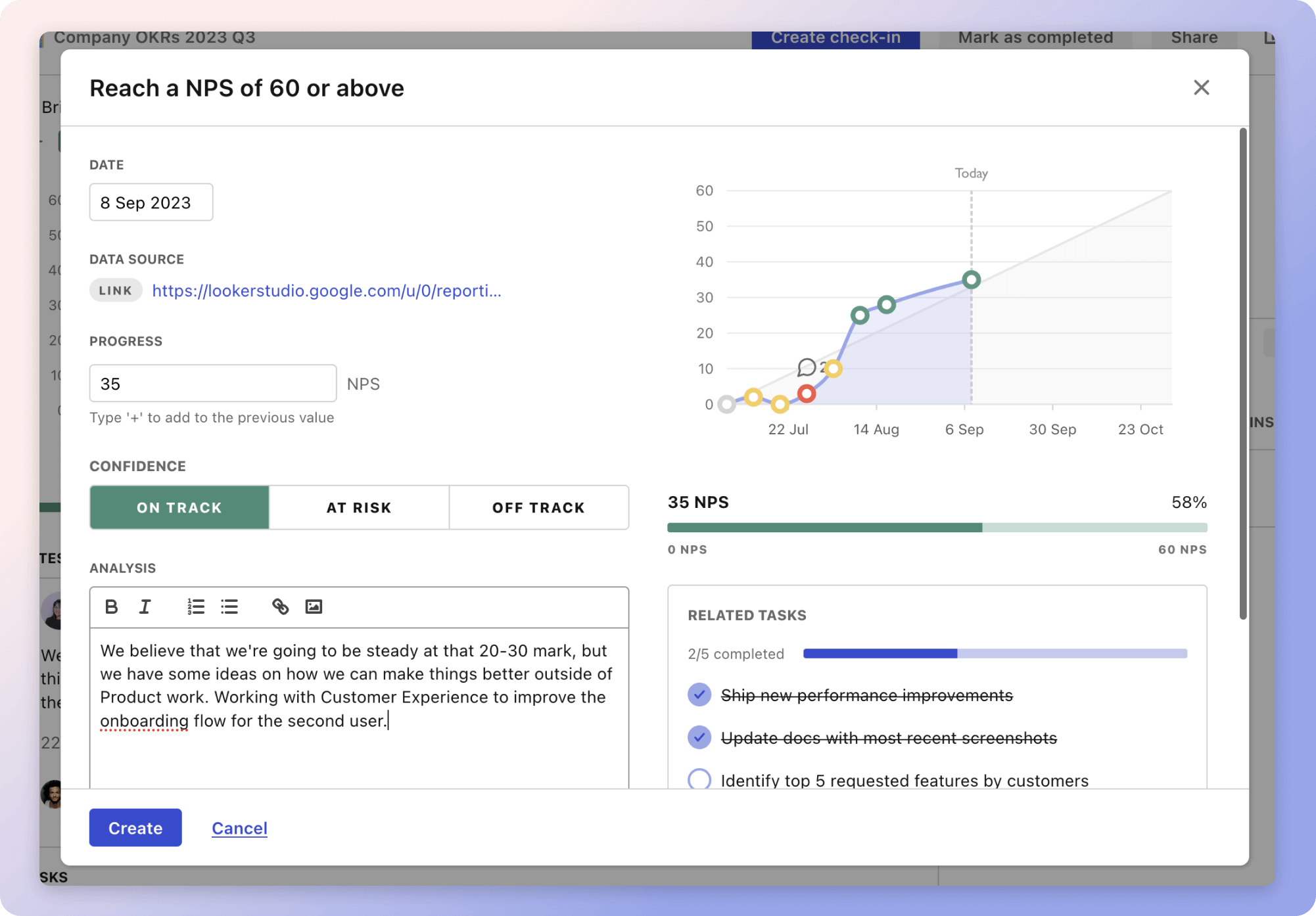
Give it a try and see how it can help you bring accountability to your strategy.