The strategy aims to implement an AI-driven alarm system designed to improve waking patterns by analyzing sleep behaviors. Initially, it suggests enhancing the reliability of iPhone alarms through regular iOS updates, checking alarm settings, and exploring third-party applications if needed. For instance, ensuring 'Do Not Disturb' doesn’t block alarms can enhance effectiveness. The second strategy involves using AI to personalize waking times, installed via sleep tracking apps that adapt wake-up times for optimal rest, suggesting integration with smart home devices to improve routines. Finally, it emphasizes creating a proactive sleep routine, like limiting screen time and maintaining regular sleep schedules, to enhance sleep quality.
The strategies
⛳️ Strategy 1: Enhance iPhone alarm reliability
- Regularly update iOS to the latest version for optimal performance
- Check and adjust alarm volume settings for audibility
- Ensure 'Do Not Disturb' mode does not interfere with alarms
- Enable vibration along with sound for additional alertness
- Utilise bedtime feature in clock app to track sleep
- Create redundancy by setting multiple alarms
- Test different alarm sounds for effectiveness
- Replace any faulty hardware if alarm continues to malfunction
- Consult Apple support for persistent issues
- Explore third-party alarm applications for enhanced functionality
⛳️ Strategy 2: Utilise AI for personalised waking
- Research AI applications that track sleep patterns
- Install an AI-driven sleep tracking app on iPhone
- Configure the app to analyse sleep phases and set optimal wake time
- Pair app with smart home devices for adaptive wake-up routines
- Enable notifications for app insights and feedback
- Develop a habit of reviewing AI suggestions for sleep improvement
- Integrate wearable devices for comprehensive data collection
- Calibrate AI settings based on personal sleep feedback
- Monitor improvements in wake-up consistency and quality of rest
- Iterate and update AI preferences for continual optimisation
⛳️ Strategy 3: Create a proactive sleep routine
- Establish a regular sleep schedule by going to bed at the same time daily
- Limit screen time at least 30 minutes before bedtime
- Create a calming pre-sleep ritual such as meditation or reading
- Adjust bedroom environment for optimal sleep conditions (temperature, darkness, noise levels)
- Curb caffeine and heavy meal intake before bedtime
- Exercise consistently throughout the week, avoiding late evening workouts
- Use blue light filters on devices in the evening
- Practise stress reduction techniques if anxiety affects sleep
- Track sleep quality with journaling to identify patterns
- Seek professional advice if sleep disturbances persist
Bringing accountability to your strategy
It's one thing to have a plan, it's another to stick to it. We hope that the examples above will help you get started with your own strategy, but we also know that it's easy to get lost in the day-to-day effort.
That's why we built Tability: to help you track your progress, keep your team aligned, and make sure you're always moving in the right direction.
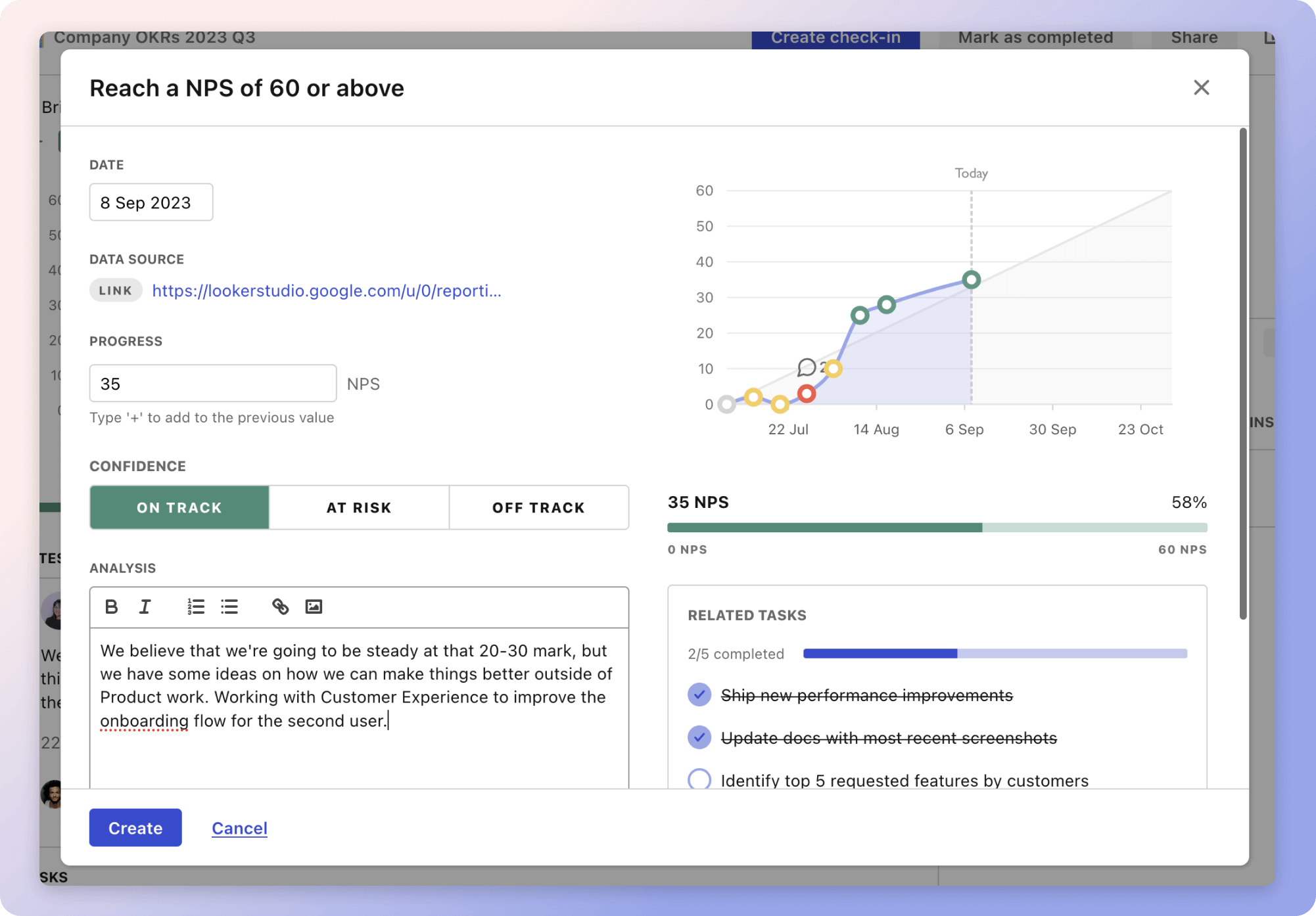
Give it a try and see how it can help you bring accountability to your strategy.