The strategy outlined focuses on transforming healthcare through AI by diagnosing and addressing failed AI adoption using a human-centered approach. Initially, a comprehensive diagnostic assessment is conducted. This involves gathering stakeholders to discuss AI goals, reviewing existing tools, and identifying gaps between intended and actual AI outcomes. For example, stakeholder interviews and surveys help illuminate user perspectives, while benchmarking against successful implementations highlights areas for improvement.
Engaging stakeholders with a clear communication strategy is crucial. This includes categorizing stakeholders, facilitating workshops, and addressing AI concerns. For example, forums and case studies ensure stakeholders understand AI benefits, while regular updates maintain engagement and transparency.
Finally, a human-centered AI recovery plan is implemented. This involves co-designing AI solutions with clinical staff, prioritizing applications that address user needs, and fostering a culture of innovation. Assigning AI champions and developing training programs help drive adoption. Continuous evaluation and adaptation ensure the plan remains effective and aligned with healthcare delivery goals.
The strategies
⛳️ Strategy 1: Conduct a comprehensive diagnostic assessment
- Gather key stakeholders to discuss initial AI goals and objectives
- Review AI tools and processes currently in use
- Identify gaps between intended and actual AI system performance outcomes
- Conduct surveys and interviews with staff to understand user perspectives
- Identify issues in the integration of AI with existing systems
- Benchmark against successful AI implementations in the healthcare sector
- Document feedback on AI usage and workflows
- Analyze data to identify patterns of systemic issues
- Evaluate AI tools for compliance with healthcare regulations
- Prepare a detailed diagnostic report highlighting challenges and opportunities
⛳️ Strategy 2: Engage stakeholders with a clear communication strategy
- Identify and categorise all stakeholders and their interests
- Develop a communication plan which outlines key messages and channels
- Conduct workshops to educate stakeholders about AI and its potential benefits
- Create forums for regular stakeholder feedback and discussion
- Use case studies to illustrate AI successes and learnings
- Disseminate key diagnostic findings and insights
- Highlight the human-centred aspect of AI transformation
- Address concerns and misconceptions surrounding AI technology
- Regularly update stakeholders on recovery plan progress
- Ensure personalised communication to address specific stakeholder needs
⛳️ Strategy 3: Implement a human-centred AI recovery plan
- Involve clinical and administrative staff in co-designing AI solutions
- Develop training programs to build AI literacy among healthcare staff
- Prioritise AI applications that align with user needs and pain points
- Create a feedback loop with users to continuously improve AI systems
- Assign AI champions within teams to lead change and drive adoption
- Establish a phased roll-out plan for new or upgraded AI applications
- Monitor performance metrics to assess AI impact on healthcare delivery
- Foster a culture of innovation and continuous improvement in AI usage
- Regularly evaluate AI systems for ethical considerations and bias
- Adapt the recovery plan based on ongoing evaluation and stakeholder feedback
Bringing accountability to your strategy
It's one thing to have a plan, it's another to stick to it. We hope that the examples above will help you get started with your own strategy, but we also know that it's easy to get lost in the day-to-day effort.
That's why we built Tability: to help you track your progress, keep your team aligned, and make sure you're always moving in the right direction.
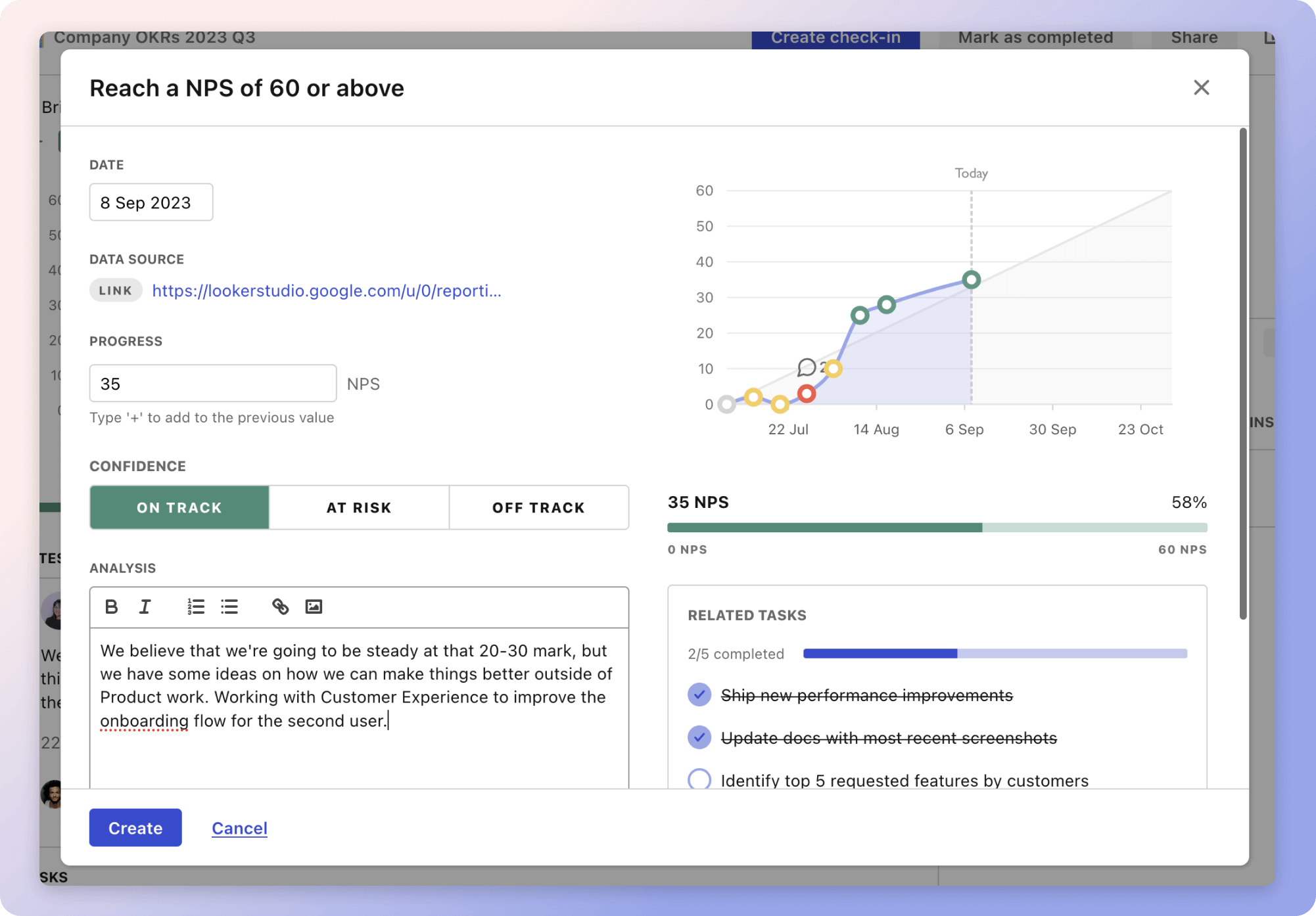
Give it a try and see how it can help you bring accountability to your strategy.