The strategy for creating a comprehensive work plan for 2026 focuses on conducting a strategic review. This involves analyzing last year's performance to identify successes and improvements, assessing market trends, and engaging with stakeholders for insights. By reviewing the company’s vision, mission, and goals, specific departmental objectives can be set, key performance indicators established, and potential risks addressed. A budget aligned with priorities is crucial, along with setting timelines and effectively communicating strategic direction.
Implementing performance tracking systems is another key aspect. Establishing these systems helps define and assess departmental progress, facilitated by regular review meetings and real-time monitoring dashboards. Departments are held accountable, and staff are trained on using tracking tools to foster continuous improvement. This data-driven approach informs decision-making and aligns targets with objectives.
Promoting cross-departmental collaboration enhances the strategy by encouraging inter-departmental meetings, sharing best practices, and utilizing collaborative tools. Creating cross-functional teams for joint projects fosters open communication and defines clear roles. Recognizing successful collaborations not only aligns departmental efforts toward common goals but also enhances overall company morale and performance.
The strategies
⛳️ Strategy 1: Conduct a strategic review
- Analyse the previous year's performance to identify key successes and areas for improvement
- Assess current market trends and external factors influencing the industry
- Engage with stakeholders to gather insights and expectations
- Review and update the company's vision, mission, and long-term goals
- Set specific objectives for each department based on strategic priorities
- Determine key performance indicators (KPIs) for measuring success
- Identify potential risks and develop mitigation strategies
- Establish a budget aligned with strategic priorities
- Create timelines and milestones for key initiatives
- Communicate the strategic direction to all departments
⛳️ Strategy 2: Implement performance tracking systems
- Set up a performance tracking system for each department
- Define metrics for assessing departmental progress
- Schedule regular performance review meetings
- Develop a dashboard for real-time performance monitoring
- Assign accountability for achieving departmental goals
- Train staff on using performance tracking tools
- Encourage a culture of continuous feedback and improvement
- Analyse performance data to inform decision-making
- Review and adjust targets as needed to ensure alignment with objectives
- Prepare reports summarising departmental achievements and challenges
⛳️ Strategy 3: Promote cross-departmental collaboration
- Encourage inter-departmental meetings to share best practices
- Identify overlap areas and opportunities for collaboration
- Foster a culture of open communication and transparency
- Implement team-building activities to strengthen relationships
- Create cross-functional teams for joint projects
- Use collaborative tools to enhance communication and project management
- Define clear roles and responsibilities for collaborative initiatives
- Establish common goals to align departmental efforts
- Regularly review and share collaborative project outcomes
- Celebrate and recognise successful collaborations company-wide
Bringing accountability to your strategy
It's one thing to have a plan, it's another to stick to it. We hope that the examples above will help you get started with your own strategy, but we also know that it's easy to get lost in the day-to-day effort.
That's why we built Tability: to help you track your progress, keep your team aligned, and make sure you're always moving in the right direction.
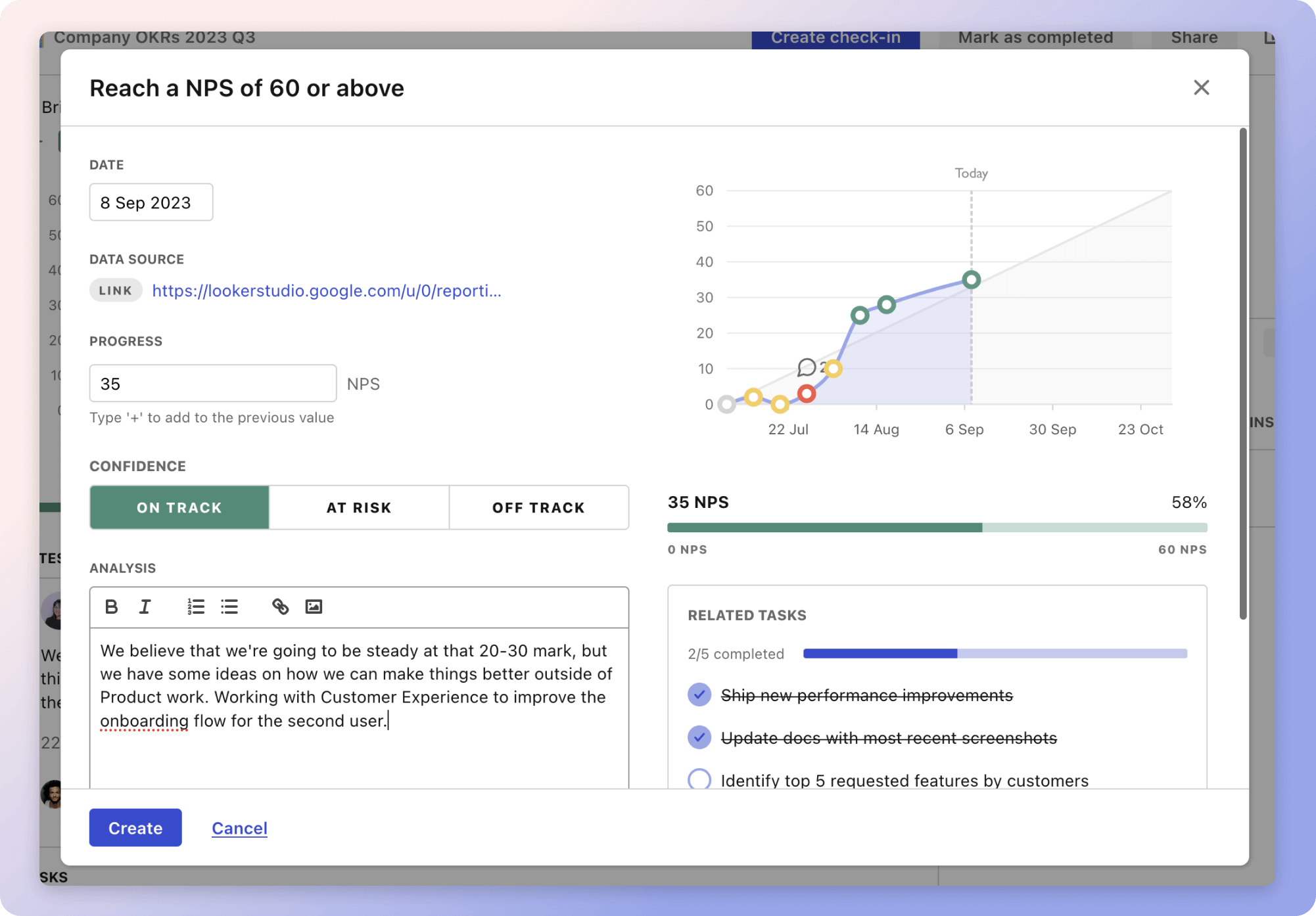
Give it a try and see how it can help you bring accountability to your strategy.