The strategy revolves around organizing an incubation program aimed at fostering innovation among engineering students in the fields of drones, AI, and IoT. The first step involves identifying suitable colleges. This includes targeting colleges with strong AI and robotics departments, active entrepreneurship cells, and existing partnerships with industry leaders. For example, collaborating with colleges that have innovation labs provides a conducive environment for students to experiment and innovate.
Next, the strategy seeks partnerships with early-stage drone and robotics companies to enhance the program's offerings. These startups could provide real-world insights and mentorship to students, creating a mutually beneficial environment. For instance, engaging startups through platforms like AngelList can help pinpoint potential partners ready to contribute to the students' entrepreneurial journey.
Finally, securing funding is crucial for the program's success. This involves reaching out to venture capital firms, corporate sponsors, and exploring grant options. A well-prepared budget proposal can entice corporate partners interested in innovation, thereby ensuring the program's financial stability.
The strategies
⛳️ Strategy 1: Identify potential colleges for the programme
- Research top engineering colleges with strong robotics and AI departments
- Make a list of colleges with active entrepreneurship cells or innovation labs
- Reach out to college administrations to propose collaboration
- Schedule meetings with college deans and department heads
- Identify faculty champions to support programme execution
- Verify the availability of on-campus resources for hosting the programme
- Look for existing college partnerships with industry leaders in AI, IoT, and drones
- Propose joint marketing efforts with the colleges to attract students
- Establish criteria for student eligibility and participation
- Create an agreement or MOU with partnering colleges
⛳️ Strategy 2: Seek partnerships with early-stage drone and robotics companies
- Compile a list of grassroots and pre-seed drone and robotics startups
- Utilise online platforms like AngelList and Crunchbase to identify startups
- Reach out to startup incubators and accelerators for introductions
- Schedule meetings with potential startup partners to discuss the programme
- Evaluate the startups for alignment with programme goals
- Propose benefits of participation for startups, such as innovation input and visibility
- Develop an incentive model for startups to join the programme
- Create promotional materials highlighting the value to participating startups
- Track communication and engagement with each startup
- Formalise partnerships through contracts or agreements
⛳️ Strategy 3: Secure funding sources for the programme
- Research potential grant opportunities from educational and industrial bodies
- Connect with venture capital firms specialising in AI, drones, and IoT
- Reach out to corporate partners interested in sponsoring innovation initiatives
- Prepare detailed budget proposals to present to potential funders
- Arrange fundraising meetings or presentations with interested parties
- Leverage existing industry networks to uncover potential funding sources
- Explore public funding options specific to educational programmes
- Draft a comprehensive funding proposal outlining programme goals and needs
- Create a recurring communication plan with funders for progress updates
- Implement a tracking system for managing funds and their usage
Bringing accountability to your strategy
It's one thing to have a plan, it's another to stick to it. We hope that the examples above will help you get started with your own strategy, but we also know that it's easy to get lost in the day-to-day effort.
That's why we built Tability: to help you track your progress, keep your team aligned, and make sure you're always moving in the right direction.
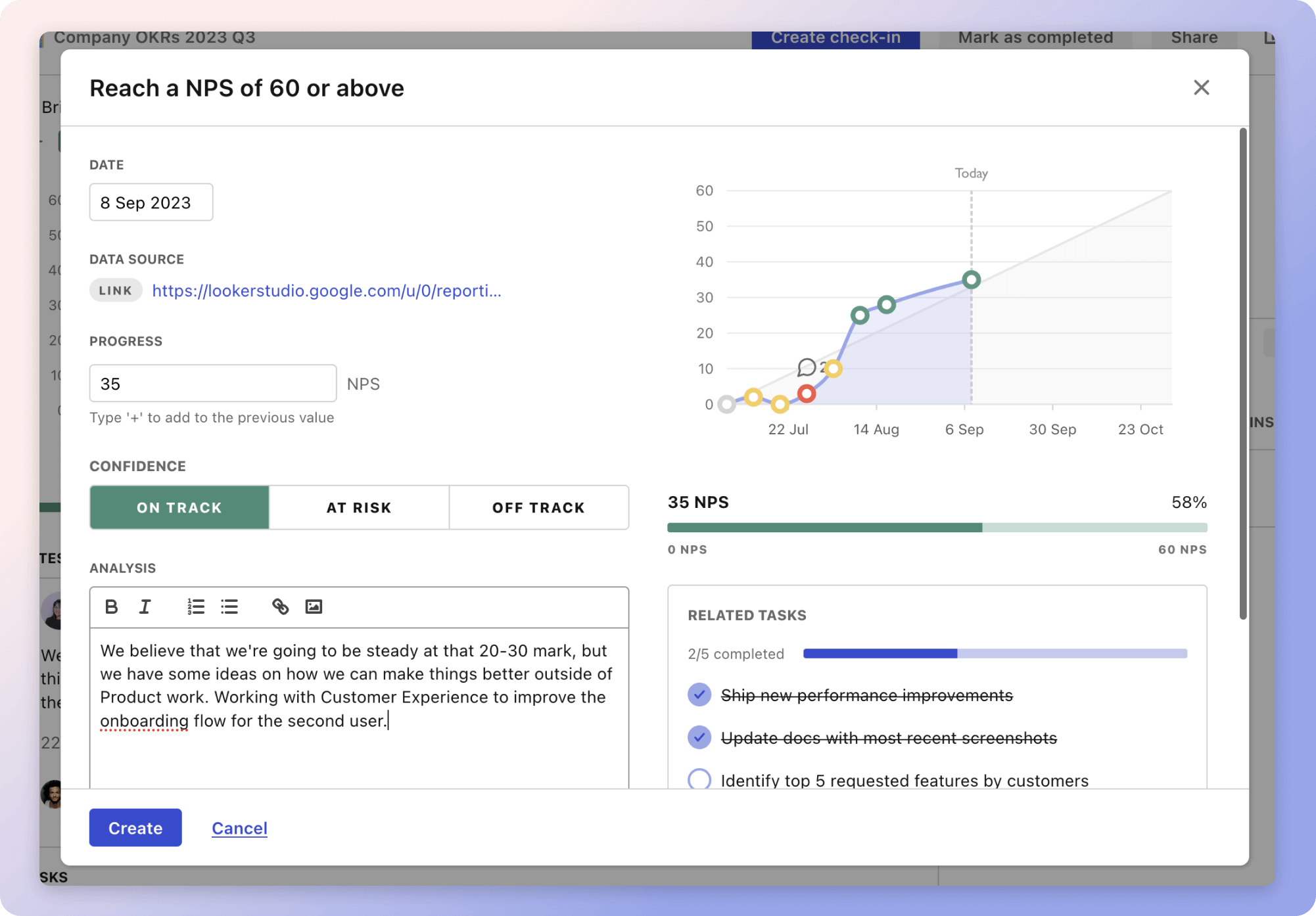
Give it a try and see how it can help you bring accountability to your strategy.