The strategy focuses on identifying and leveraging business opportunities for the Akwa Ibom Community in Abuja. It begins with conducting comprehensive market research to pinpoint key industries with high growth potential, analyze local trends, and understand consumer needs. For example, surveying community members can reveal business interests, while engaging local experts provides validation and insights. The gathered information is then presented to the committee for further discussion.
Next, the strategy involves evaluating and managing investment proposals by setting criteria to assess financial health and potential returns. This includes conducting due diligence on possible partners and projects and consulting with financial advisors. For instance, reviewing the ROI potential and alignment with community goals helps in ranking proposals from most to least promising.
Lastly, the strategy emphasizes forming strategic partnerships and developing skills within the community. Collaborations with educational institutions can facilitate skill development, while networking events help connect community members with influential business leaders. Workshops and mentorship programs are vital for nurturing entrepreneurial skills, and partnerships with NGOs can enhance community development efforts.
The strategies
⛳️ Strategy 1: Conduct comprehensive market research
- Identify key industries and sectors with growth potential within Abuja
- Gather data on local economic trends and consumer needs
- Analyse competitors and current market offerings
- Survey community members to understand their business interests
- Compile a report on regional strengths and challenges
- Use SWOT analysis to assess potential opportunities
- Engage with local experts for insights and validation
- Develop a prioritised list of potential business opportunities
- Identify regulatory requirements for potential industries
- Present research findings to the committee for discussion
⛳️ Strategy 2: Evaluate and manage investment proposals
- Create evaluation criteria for investment opportunities
- Review financial health and ROI potential of proposals
- Analyse the risk associated with each investment option
- Conduct due diligence on proposed partners and projects
- Assess alignment with community values and goals
- Consult with financial advisors for expert opinions
- Develop a risk management framework to safeguard investments
- Rank proposals based on potential impact and sustainability
- Schedule presentations from top proposals to the committee
- Facilitate decision-making meetings for investment approvals
⛳️ Strategy 3: Enhance strategic relationships and skill development
- Identify key stakeholders within and outside the community
- Partner with educational institutions for skills training
- Organise networking events to connect with business leaders
- Facilitate workshops on entrepreneurship and investment literacy
- Establish mentorship programmes for aspiring entrepreneurs
- Engage with government agencies to explore funding support
- Foster partnerships with NGOs for community development projects
- Compile a directory of successful ethnic business leaders
- Promote cultural heritage as a business and tourism catalyst
- Monitor and evaluate the impact of skill acquisition programmes
Bringing accountability to your strategy
It's one thing to have a plan, it's another to stick to it. We hope that the examples above will help you get started with your own strategy, but we also know that it's easy to get lost in the day-to-day effort.
That's why we built Tability: to help you track your progress, keep your team aligned, and make sure you're always moving in the right direction.
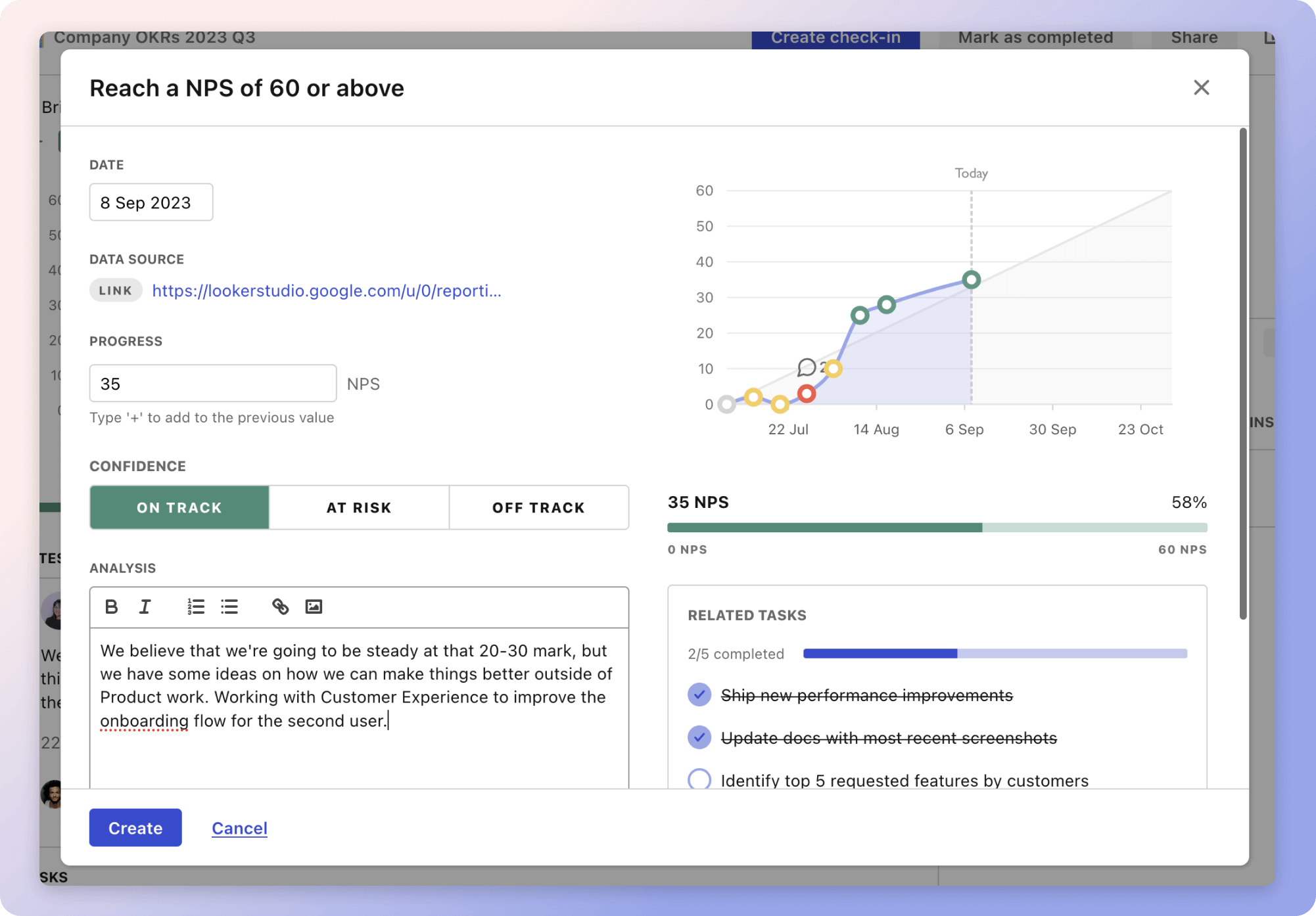
Give it a try and see how it can help you bring accountability to your strategy.