The strategy for writing a comprehensive strategic plan is designed to achieve specific goals efficiently and effectively by employing clear objectives, thorough analysis, and actionable strategies. First, defining clear objectives involves identifying the primary goal, breaking it into smaller, manageable objectives, and setting key performance indicators (KPIs). For example, a business aiming to increase market share would break this goal into specific, measurable targets aligned with its mission.
Secondly, conducting a thorough analysis includes performing a SWOT analysis to identify strengths, weaknesses, opportunities, and threats, and researching industry trends. This step ensures the plan is grounded in real-world data, such as evaluating market conditions and competitor strategies.
Finally, developing actionable strategies requires brainstorming initiatives, prioritizing them based on impact, and creating detailed action plans. For instance, a company might identify resource allocation as a key strategic initiative, assigning responsibilities and setting deadlines to ensure effective execution.
The strategies
⛳️ Strategy 1: Define clear objectives
- Identify the primary goal you want to achieve
- Break down the primary goal into smaller, manageable objectives
- Determine the key performance indicators (KPIs) for each objective
- Ensure each objective is specific, measurable, achievable, relevant, and time-bound (SMART)
- Align the objectives with the overall vision and mission of the organisation
- Get input and buy-in from relevant stakeholders
- Review and refine objectives to ensure clarity and focus
- Document the objectives in a structured format
- Communicate the objectives to all team members
- Set regular review intervals to assess objective progress
⛳️ Strategy 2: Conduct a thorough analysis
- Perform a SWOT analysis to identify strengths, weaknesses, opportunities, and threats
- Research industry trends and market conditions
- Analyse competitor strategies and performance
- Evaluate internal resources and capabilities
- Identify potential risks and challenges
- Determine external factors that could impact strategy success
- Collect data from relevant sources to support analysis
- Incorporate feedback from stakeholders in analysis
- Develop a summary report of key findings
- Ensure findings are understood and leveraged in planning
⛳️ Strategy 3: Develop actionable strategies
- Brainstorm potential strategic initiatives with team members
- Prioritise initiatives based on impact and feasibility
- Assign responsibilities and deadlines for each initiative
- Create a detailed action plan for each strategy
- Identify the resources needed to execute each strategy
- Set up a monitoring system to track progress and performance
- Establish a communication plan to update stakeholders regularly
- Prepare contingency plans to address potential challenges
- Regularly review and adjust strategies as needed
- Celebrate milestones and successes to maintain team motivation
Bringing accountability to your strategy
It's one thing to have a plan, it's another to stick to it. We hope that the examples above will help you get started with your own strategy, but we also know that it's easy to get lost in the day-to-day effort.
That's why we built Tability: to help you track your progress, keep your team aligned, and make sure you're always moving in the right direction.
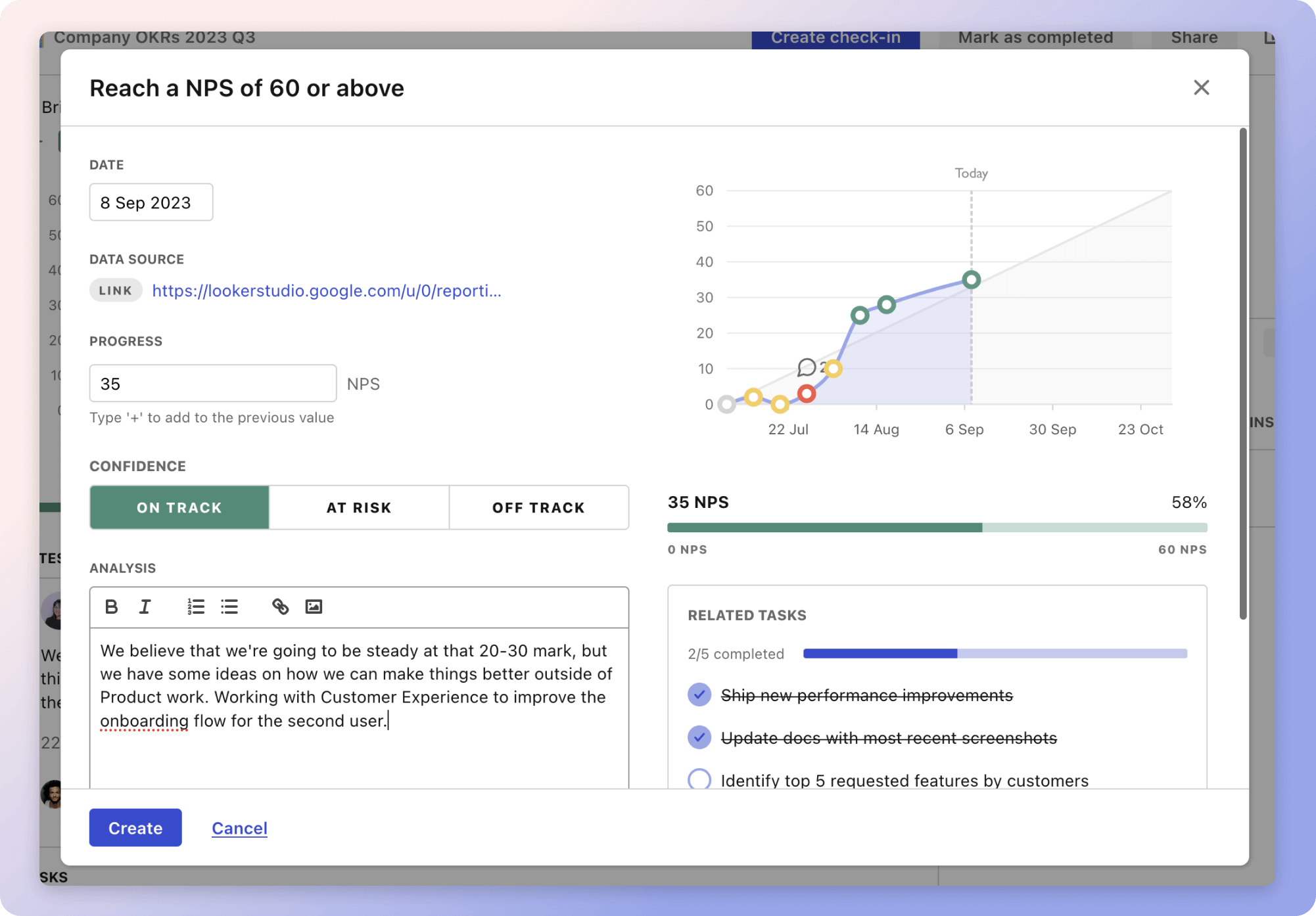
Give it a try and see how it can help you bring accountability to your strategy.