The strategy "Enhancing Community Health and Productivity" aims to improve public health and promote economic growth in Uganda. It involves implementing community health education programs by assessing health challenges and distributing educational resources on hygiene. For example, organizing health workshops helps educate locals on disease prevention while engaging local leaders amplifies the health messages.
Building capacity for income generation focuses on offering entrepreneurship workshops and providing micro-financing options. This helps small business ventures thrive. For instance, setting up community resource centers provides business support and advice, whereas promoting cooperative societies encourages unified economic efforts.
Enhancing access to quality education and vocational training is achieved by identifying educational gaps and tailoring training to meet specific community needs. By developing partnerships with local vocational schools, offering scholarships, and establishing mobile learning units, the strategy ensures wider participation and inclusion. For example, organizing career days increases awareness of job opportunities, and incorporating technology in training prepares individuals for modern jobs.
The strategies
⛳️ Strategy 1: Implement Community Health Education Programs
- Conduct community needs assessments to identify specific health challenges
- Develop and distribute educational materials on hygiene and disease prevention
- Organise regular health workshops and seminars in local communities
- Recruit and train community health workers
- Establish partnerships with local health centres for resource sharing
- Implement a monitoring and evaluation system to track health improvements
- Promote clean water and sanitation initiatives
- Launch a community health awareness campaign
- Engage local leaders and influencers to promote health messages
- Integrate traditional health practices with modern healthcare methods
⛳️ Strategy 2: Build Capacity for Income Generation
- Offer entrepreneurship and skills development workshops
- Provide micro-financing options to support small business ventures
- Set up community resource centres for business support and advice
- Facilitate mentorship programmes with successful entrepreneurs
- Encourage formation of cooperative societies for unified economic efforts
- Promote agricultural sustainability practices
- Develop partnerships with local industries for employment opportunities
- Implement financial literacy training sessions
- Monitor progress and impact of income-generating activities
- Recognise and reward successful community initiatives
⛳️ Strategy 3: Enhance Access to Quality Education and Vocational Training
- Identify educational gaps and tailor training to meet community needs
- Develop partnerships with local vocational schools and college institutions
- Offer scholarships and incentives to encourage participation
- Create mobile learning units to reach remote areas
- Organise career days and workshops to increase awareness of opportunities
- Ensure training facilities are accessible and inclusive
- Monitor and report on the progress of students and programme effectiveness
- Involve community members in curriculum development
- Incorporate technology in training for modern skill development
- Celebrate educational achievements through community events
Bringing accountability to your strategy
It's one thing to have a plan, it's another to stick to it. We hope that the examples above will help you get started with your own strategy, but we also know that it's easy to get lost in the day-to-day effort.
That's why we built Tability: to help you track your progress, keep your team aligned, and make sure you're always moving in the right direction.
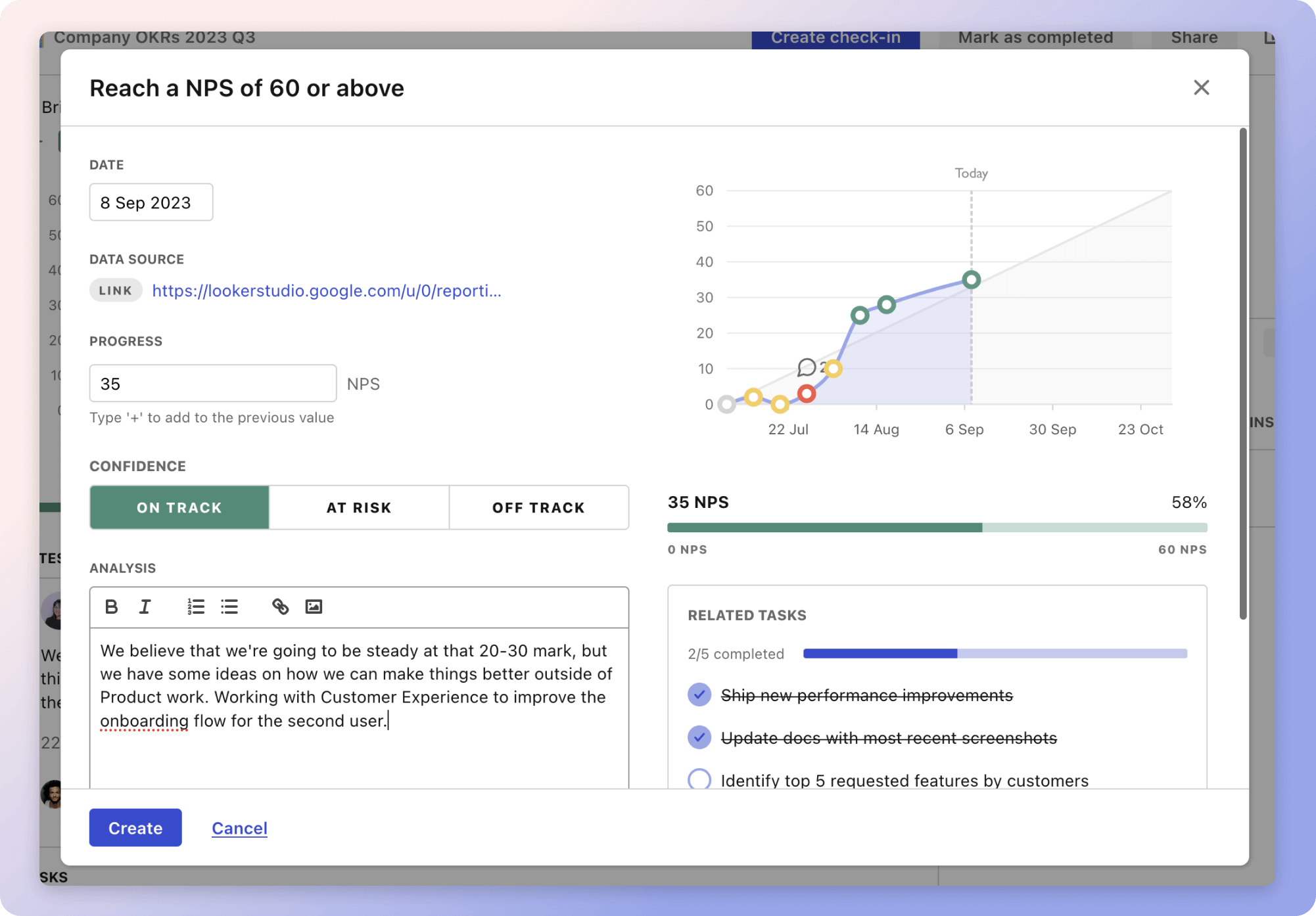
Give it a try and see how it can help you bring accountability to your strategy.