The strategy described revolves around developing a program by ensuring it is tailored to meet specific user needs efficiently. Initially, it emphasizes conducting thorough market research, which includes identifying target user demographics and analyzing existing solutions. For instance, by gathering feedback through surveys or interviews, a company can better understand what users truly want.
Following research, the strategy focuses on planning the program architecture. This involves defining goals and key features, designing user-friendly interfaces, and selecting appropriate technologies. For example, creating wireframes and prototypes helps in visualizing the end product before actual development.
Finally, execution and testing are central parts of the strategy. Implementing continuous feedback loops and performing regular code reviews ensure quality and functionality. Launching a beta version is an effective way to gather broader user feedback, ensuring the program meets users’ expectations before the final release.
The strategies
⛳️ Strategy 1: Conduct thorough market research
- Identify target user demographics and needs
- Analyse existing similar programs in the market
- Gather feedback from potential users through surveys or interviews
- Study technological trends relevant to the program's domain
- Evaluate competitors' strengths and weaknesses
- Determine pricing models used in the market
- Identify potential market gaps or opportunities
- Undertake SWOT analysis for informed decision-making
- Review regulatory requirements relevant to the program
- Summarise findings to guide program development
⛳️ Strategy 2: Plan the program architecture
- Define program goals and objectives
- Outline the key features and functionalities
- Design a user interface that prioritises user experience
- Create wireframes and prototypes for the program
- Select suitable technology stack and development tools
- Set a development timeline with clear milestones
- Organise a development team with needed expertise
- Establish a risk management plan
- Plan for scalability and future enhancements
- Document the architecture for reference and communication
⛳️ Strategy 3: Execute and test the program
- Develop the program incrementally based on design specs
- Perform regular code reviews for quality assurance
- Conduct unit testing for individual components
- Integrate continuous feedback loops from testing phases
- Conduct system and performance testing
- Monitor progress against development timeline
- Update stakeholders with regular progress reports
- Implement feedback and improvements from testing
- Prepare comprehensive user documentation
- Launch a beta version for broader user feedback
Bringing accountability to your strategy
It's one thing to have a plan, it's another to stick to it. We hope that the examples above will help you get started with your own strategy, but we also know that it's easy to get lost in the day-to-day effort.
That's why we built Tability: to help you track your progress, keep your team aligned, and make sure you're always moving in the right direction.
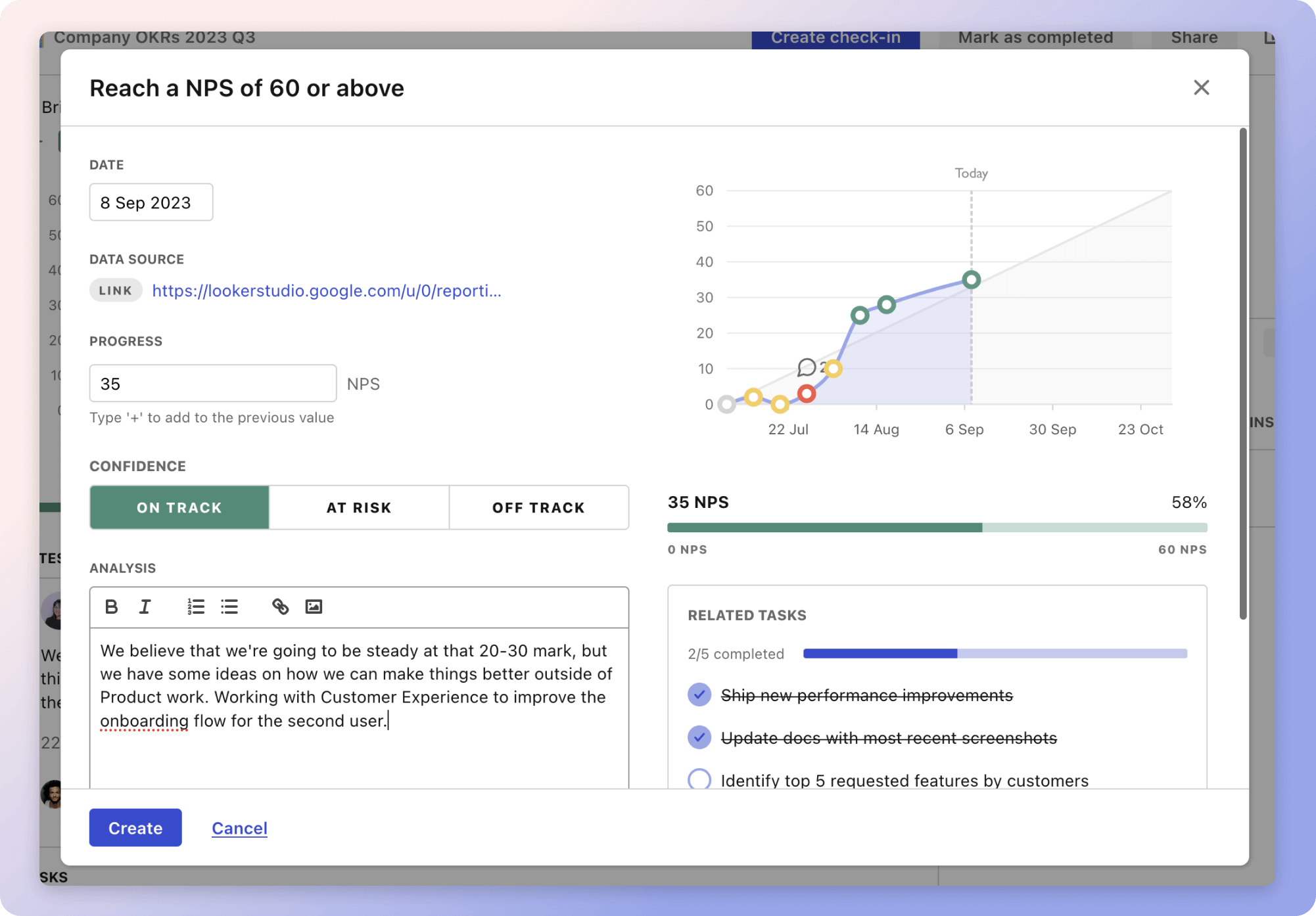
Give it a try and see how it can help you bring accountability to your strategy.