The strategy outlined for completing and revising academic chapters is centered on three core techniques. Firstly, allocating specific time blocks involves setting a fixed schedule based on subject difficulty and deadlines. For instance, morning hours can be dedicated to math for optimal concentration, while science revisions can be reserved for late afternoons when energy wanes. Using a timer and maintaining a study log help in tracking progress and making necessary adjustments.
Secondly, utilizing varied learning techniques enhances comprehension. Visual aids, flashcards, and educational videos provide different perspectives, while teaching others and engaging in forums solidify knowledge through interaction. This multifaceted approach caters to different learning styles.
Lastly, creating a distraction-free study environment fosters focus. Designating a quiet, organized space with essential materials and setting clear boundaries ensures minimal interruptions. Such an environment is conducive to maintaining discipline and efficiency.
The strategies
⛳️ Strategy 1: Allocate specific time blocks
- Set a fixed schedule for each subject based on difficulty and deadlines
- Dedicate morning hours for math when you're most alert
- Use midday hours to tackle social studies chapters with full focus
- Reserve late afternoon for revising science chapters when energy dips
- Break study sessions into 45-minute focused intervals with 15-minute breaks
- Prioritise the subject or chapter that's the most challenging for you
- Use a timer to keep track of sessions and breaks
- Maintain a daily study log to monitor progress
- Adjust time blocks each week based on progress and comprehension
- Celebrate small achievements after completing time blocks
⛳️ Strategy 2: Utilise varied learning techniques
- Use visual aids like charts and graphs to understand math concepts
- Summarise social studies chapters into condensed notes
- Create flashcards for science revision to reinforce retention
- Watch educational videos related to the chapters for varied perspectives
- Teach a family member or friend what you learned to solidify knowledge
- Engage in practice problems or quizzes for math chapters
- Participate in online forums or study groups for social studies discussions
- Utilise mnemonic devices to memorise key science terms
- Practice active recall by testing yourself without prompts
- Incorporate subject-specific apps or software for interactive learning
⛳️ Strategy 3: Create a distraction-free study environment
- Designate a specific, quiet space specifically for study
- Keep your study area organised to avoid unnecessary distractions
- Ensure adequate lighting and comfortable seating arrangement
- Turn off notifications on devices to minimise interruptions
- Use noise-cancelling headphones or background music to focus
- Have all necessary study materials on hand before starting
- Inform family members about your study schedule to reduce disturbances
- Set clear boundaries to separate study time from leisure
- Establish a routine to condition your brain for concentrating
- Review your study space and routines weekly to optimise effectiveness
Bringing accountability to your strategy
It's one thing to have a plan, it's another to stick to it. We hope that the examples above will help you get started with your own strategy, but we also know that it's easy to get lost in the day-to-day effort.
That's why we built Tability: to help you track your progress, keep your team aligned, and make sure you're always moving in the right direction.
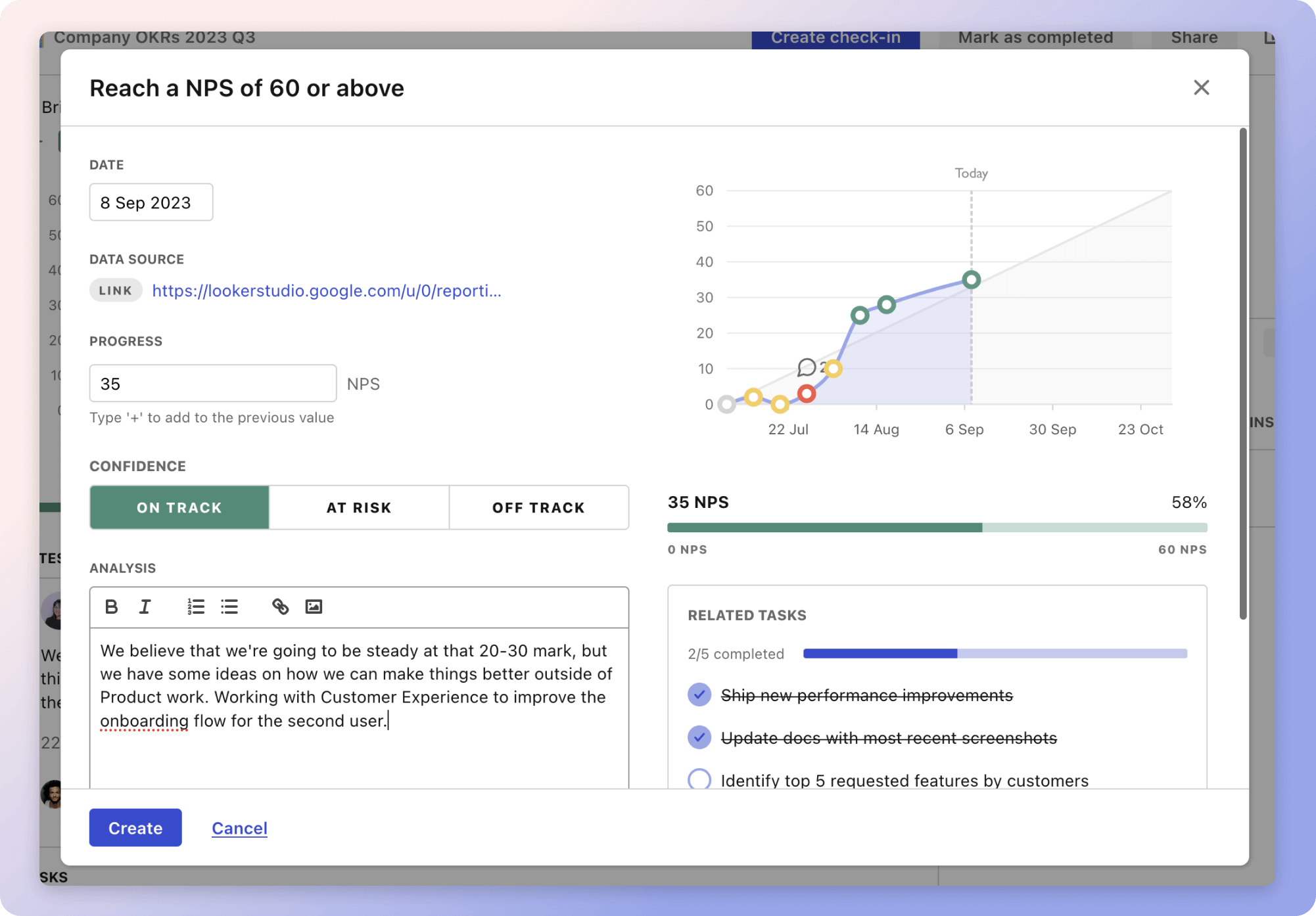
Give it a try and see how it can help you bring accountability to your strategy.