The strategy focuses on developing skills in web design by emphasizing education, technical competence, and personal branding. To begin with, it suggests learning fundamental concepts of web design. This includes taking online courses, reading literature on design principles, and practicing wireframing for web layouts. Exploring websites for inspiration and engaging with online communities can also provide valuable insights into the field.
Enhancing technical skills forms the second part of the strategy. It involves mastering HTML, CSS, and JavaScript, familiarizing oneself with design tools like Figma, and appreciating the importance of SEO in design. Creating a portfolio is recommended to showcase these skills effectively.
Lastly, the strategy underscores the importance of building a personal brand as a web designer. This includes creating a professional portfolio, networking, writing blog posts about design trends, and engaging with potential clients on social media. Freelancing, showcasing work on platforms like Dribbble, and attending industry events can further amplify one's presence.
The strategies
⛳️ Strategy 1: Learn web design fundamentals
- Take an online course focusing on basics of web design
- Read books or articles on the principles of design and usability
- Practice designing wireframes for various web layouts
- Study colour theory and typography in web design
- Use websites like Awwwards for inspiration and analysis
- Join online communities or forums for web designers
- Understand the basics of user experience (UX) and user interface (UI)
- Familiarise with design software like Adobe XD or Sketch
- Complete beginner projects to apply learned concepts
- Seek feedback on your designs to identify areas of improvement
⛳️ Strategy 2: Enhance technical skills
- Learn HTML, CSS, and JavaScript through online tutorials
- Master responsive design techniques using CSS frameworks like Bootstrap
- Practice using web design tools such as Figma or Canva
- Explore content management systems like WordPress or Joomla
- Improve your skills in graphic design software, such as Photoshop
- Understand SEO principles to include them in your designs
- Create a portfolio website using your web design skills
- Participate in coding challenges to strengthen your skills
- Attend webinars or workshops on the latest design technologies
- Collaborate on projects with other designers to broaden your perspective
⛳️ Strategy 3: Build a personal brand
- Create a professional portfolio showcasing your best work
- Write blog posts or articles about design trends and tips
- Network with other web designers online and in person
- Share your designs on platforms like Dribbble or Behance
- Engage with potential clients on social media by showcasing your work
- Offer freelance services to build client relationships
- Set up a personal brand style guide for consistent visual identity
- Collect testimonials from satisfied clients to display on your portfolio
- Develop a unique selling proposition as a web designer
- Attend industry events and conferences to expand your network
Bringing accountability to your strategy
It's one thing to have a plan, it's another to stick to it. We hope that the examples above will help you get started with your own strategy, but we also know that it's easy to get lost in the day-to-day effort.
That's why we built Tability: to help you track your progress, keep your team aligned, and make sure you're always moving in the right direction.
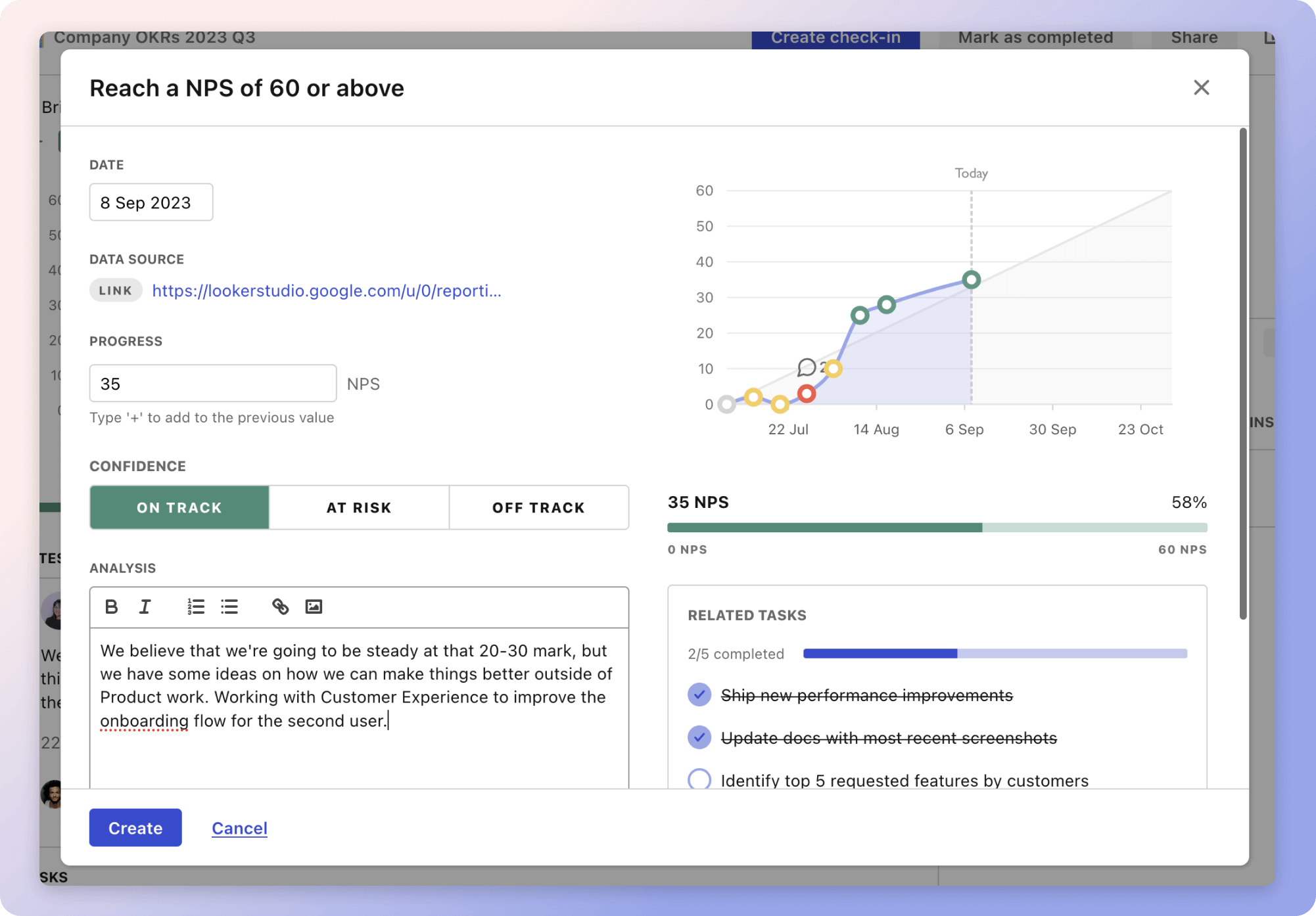
Give it a try and see how it can help you bring accountability to your strategy.