The strategy focuses on establishing uniform and effective media teams across different church branches, ensuring consistency and quality in media operations. It begins by setting clear guidelines through a comprehensive media team handbook, which outlines roles, responsibilities, and quality standards for audio, video, and graphic design. Examples include defining a content approval process and creating a crisis management plan, facilitating smoother operations during services.
Training programs are pivotal, encompassing initial workshops, ongoing sessions, and mentorship opportunities. These programs enhance both technical and soft skills, ensuring team readiness to adapt to new technologies. For instance, inviting media professionals for guest sessions or creating an online platform with tutorials supports continual learning and development.
Collaboration and communication are key, with regular inter-branch meetings and the use of project management tools. By sharing strategies and successes, branches can learn from one another. Organising retreats and maintaining a social platform for communication are examples of fostering a collaborative environment, which strengthens the teams and enriches the church community’s media presence.
The strategies
⛳️ Strategy 1: Establish clear guidelines
- Create a comprehensive media team handbook detailing roles and responsibilities
- Define the core competencies required for each media team member
- Develop standard operating procedures for media operations during services
- Set guidelines for quality standards including audio, video, and graphic design
- Outline a clear approval process for media content
- Establish communication channels for the media team within and between branches
- Provide a template for a media production schedule
- Develop a crisis management plan for media-related issues
- Create a checklist for equipment maintenance and setup
- Regularly update the handbook to include feedback and new technologies
⛳️ Strategy 2: Implement training programmes
- Organise initial training workshops for all media team members
- Establish ongoing monthly training sessions on new technologies
- Invite media professionals for guest sessions and inspiration
- Develop an online platform with tutorials and resources
- Facilitate mentorship programs within the media teams
- Ensure training includes both technical skills and soft skills development
- Monitor progress through regular team evaluations
- Adapt training sessions based on team feedback and needs
- Encourage attendance at relevant external workshops and conferences
- Create a certification program to recognise skilled media team members
⛳️ Strategy 3: Foster collaboration and communication
- Set up regular inter-branch media team meetings
- Use project management tools to streamline communication
- Share successful media strategies and content across all branches
- Set up a social platform for media team members to discuss ideas and challenges
- Encourage branches to collaborate on major church events
- Develop a newsletter featuring updates and achievements from different branches
- Ensure a two-way communication flow with church leadership
- Standardise content-sharing protocols across branches
- Organise annual retreats focusing on team building and vision planning
- Recognise and celebrate collaborative achievements within the teams
Bringing accountability to your strategy
It's one thing to have a plan, it's another to stick to it. We hope that the examples above will help you get started with your own strategy, but we also know that it's easy to get lost in the day-to-day effort.
That's why we built Tability: to help you track your progress, keep your team aligned, and make sure you're always moving in the right direction.
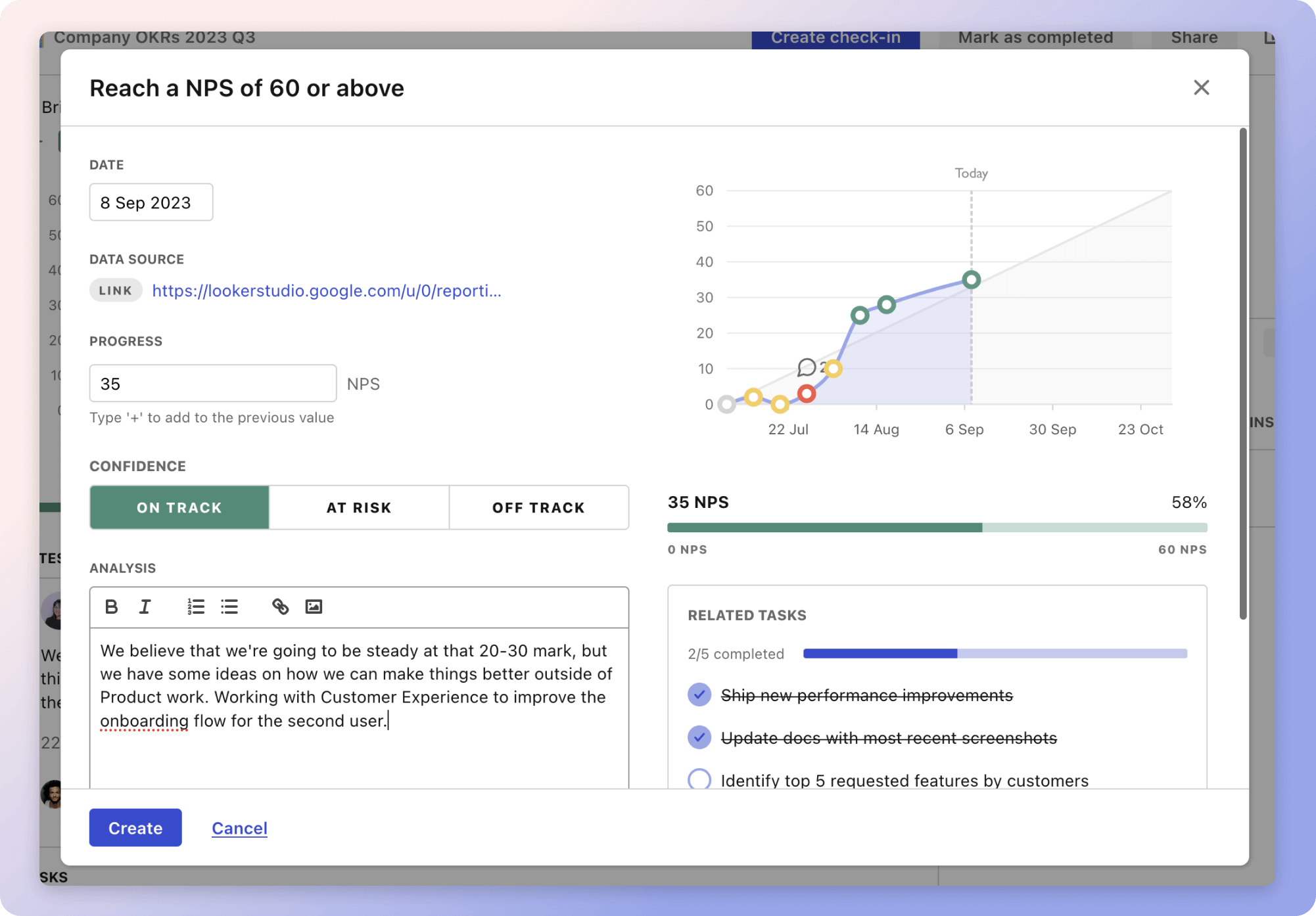
Give it a try and see how it can help you bring accountability to your strategy.