The strategy focuses on developing community-benefiting projects through a structured approach. First, conducting a community needs assessment involves engaging with community members through surveys and focus groups to identify their pressing needs. This process uncovers existing resources and gaps, allowing project prioritization based on impact. For example, if a rural community lacks educational facilities, a school might be prioritized.
Engaging the community in project design ensures that projects resonate with local values and culture. This includes involving community leaders, utilizing local knowledge, and encouraging participation from diverse groups such as youth and women. For instance, a project aimed at improving local agriculture could incorporate traditional farming techniques.
Securing funding and resources involves identifying potential donors, organizing fundraising events, and applying for grants. The strategy emphasizes building partnerships and utilizing online crowdfunding platforms. For example, forming alliances with local businesses might result in both financial contributions and in-kind support, like donating materials.
The strategies
⛳️ Strategy 1: Conduct community needs assessment
- Survey community members to identify their most pressing needs
- Hold focus groups discussions with key stakeholders
- Analyse existing community resources and gaps
- Prioritise projects based on impact and feasibility
- Compile findings into a comprehensive report
- Present the findings to community leaders for feedback
- Identify potential project partners and stakeholders
- Develop criteria for project selection
- Establish a community advisory board
- Review and adjust project plans based on feedback
⛳️ Strategy 2: Engage community in project design
- Invite community members to participate in project planning workshops
- Create a platform for ongoing community input and feedback
- Ensure projects align with community values and culture
- Empower community leaders to take ownership of projects
- Incorporate traditional and local knowledge into project design
- Develop pilot projects to test feasibility and gather community input
- Encourage youth and women to take leadership roles
- Build local capacity through training and skill development
- Create opportunities for community members to contribute resources
- Hold regular meetings to update on project progress
⛳️ Strategy 3: Secure funding and resources
- Identify potential donors and funding organisations
- Develop proposal templates tailored to identified projects
- Organise fundraising events and campaigns
- Build partnerships with local businesses and community groups
- Utilise online platforms for crowdfunding
- Negotiate in-kind contributions from local stakeholders
- Apply for grants from international NGOs
- Establish a resource mobilisation team
- Provide transparency reports to maintain donor trust
- Regularly review funding strategies and adapt as needed
Bringing accountability to your strategy
It's one thing to have a plan, it's another to stick to it. We hope that the examples above will help you get started with your own strategy, but we also know that it's easy to get lost in the day-to-day effort.
That's why we built Tability: to help you track your progress, keep your team aligned, and make sure you're always moving in the right direction.
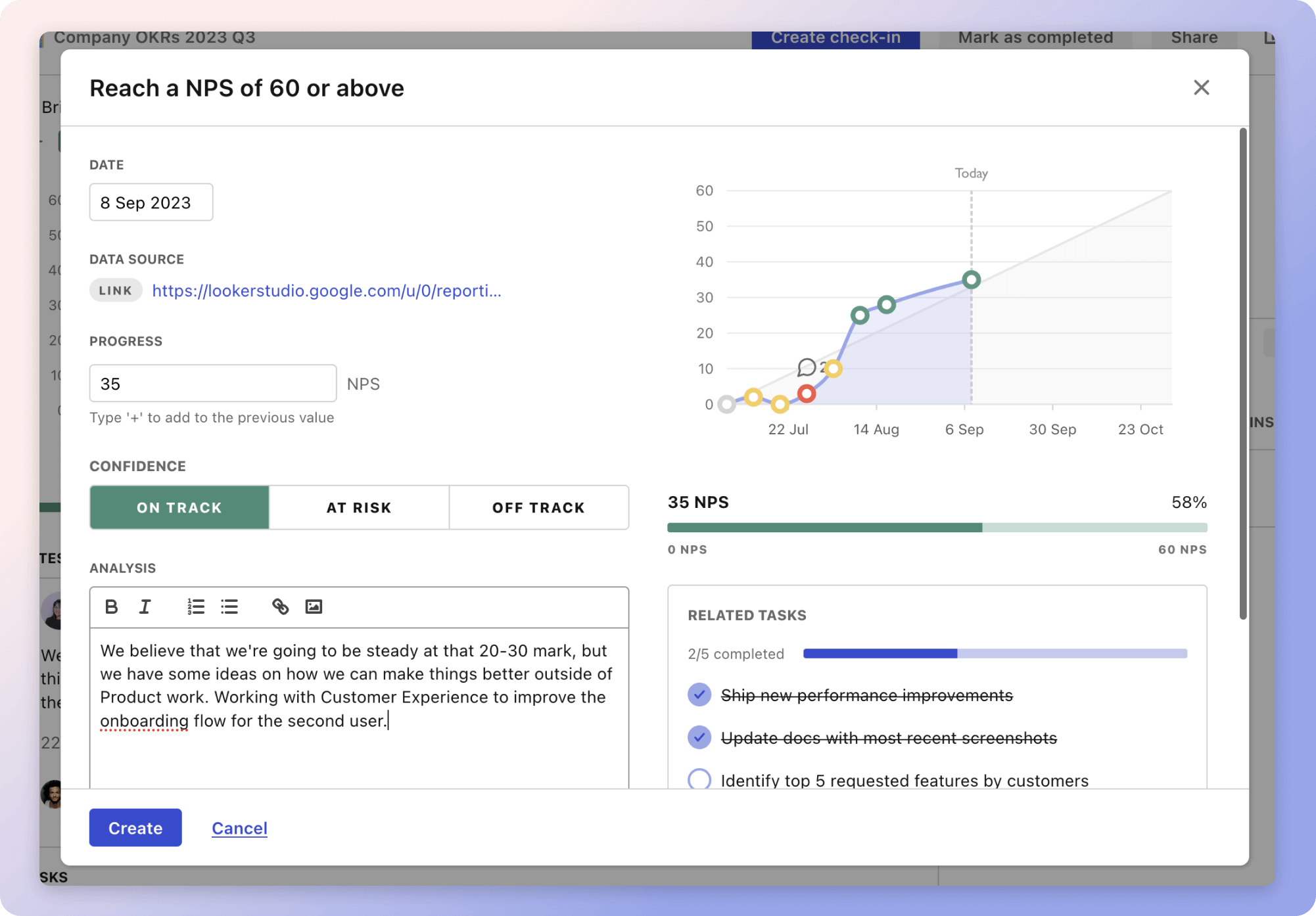
Give it a try and see how it can help you bring accountability to your strategy.