Implementing cost-effective transportation aims to reduce transportation costs while maintaining efficiency. One key strategy is to optimize route planning. This involves using GPS technology and software to determine the most efficient routes, avoiding traffic congestion, and combining deliveries. Training drivers on route optimization techniques and incentivizing optimal route usage are also crucial. An example would be a delivery company using real-time traffic data to dynamically reroute deliveries, saving time and fuel.
Another strategy focuses on leveraging public transportation and shared services to cut costs. Encouraging carpooling and partnering with ride-sharing services can significantly reduce travel expenses. Supporting cycling for short distances and offering flexible working hours also aid in these efforts. For instance, a company might encourage employees to telecommute to reduce overall travel needs.
Investing in efficient vehicles is the third strategy. Regular maintenance, investing in fuel-efficient vehicles, and training drivers in eco-driving techniques are vital. Fleet managers can use telematics to monitor performance and explore alternative fuels for additional savings. A practical application could include a logistics firm systematically replacing its fleet with hybrid vehicles to balance cost and efficiency.
The strategies
⛳️ Strategy 1: Optimise route planning
- Use GPS technology to determine the most efficient routes
- Analyse traffic patterns to avoid congested areas
- Combine deliveries to nearby locations in a single trip
- Regularly review and update routes based on traffic changes
- Train drivers on route optimisation techniques
- Implement a system for dynamic rerouting based on real-time traffic data
- Use software applications to plan fuel-efficient routes
- Introduce incentive programs for drivers who use optimal routes
- Utilise historical data to predict and plan for potential delays
- Coordinate departure times to minimise time spent in traffic
⛳️ Strategy 2: Leverage public transportation and shared services
- Identify routes where public transportation can be used
- Encourage carpooling among employees
- Partner with ride-sharing services for discounted travel
- Promote the use of cycling for short-distance travel
- Evaluate telecommuting options to reduce travel needs
- Negotiate bulk rates with local taxi services
- Use shuttle buses for frequent routes
- Implement flexible working hours to avoid peak travel times
- Provide incentives for employees using public transport
- Regularly review cost savings from shared transportation initiatives
⛳️ Strategy 3: Maintain and invest in efficient vehicles
- Schedule regular maintenance checks to ensure vehicle efficiency
- Invest in fuel-efficient vehicles for fleet replacement
- Use telematics to monitor vehicle performance and address issues
- Train drivers in eco-driving techniques
- Keep tyres properly inflated to improve fuel economy
- Regularly review and negotiate fuel contracts for better rates
- Limit vehicle idling to save fuel
- Implement a checklist for drivers to ensure vehicles are in top condition
- Analyse fuel consumption data to identify areas for improvement
- Explore alternative fuels or hybrid vehicles for cost savings
Bringing accountability to your strategy
It's one thing to have a plan, it's another to stick to it. We hope that the examples above will help you get started with your own strategy, but we also know that it's easy to get lost in the day-to-day effort.
That's why we built Tability: to help you track your progress, keep your team aligned, and make sure you're always moving in the right direction.
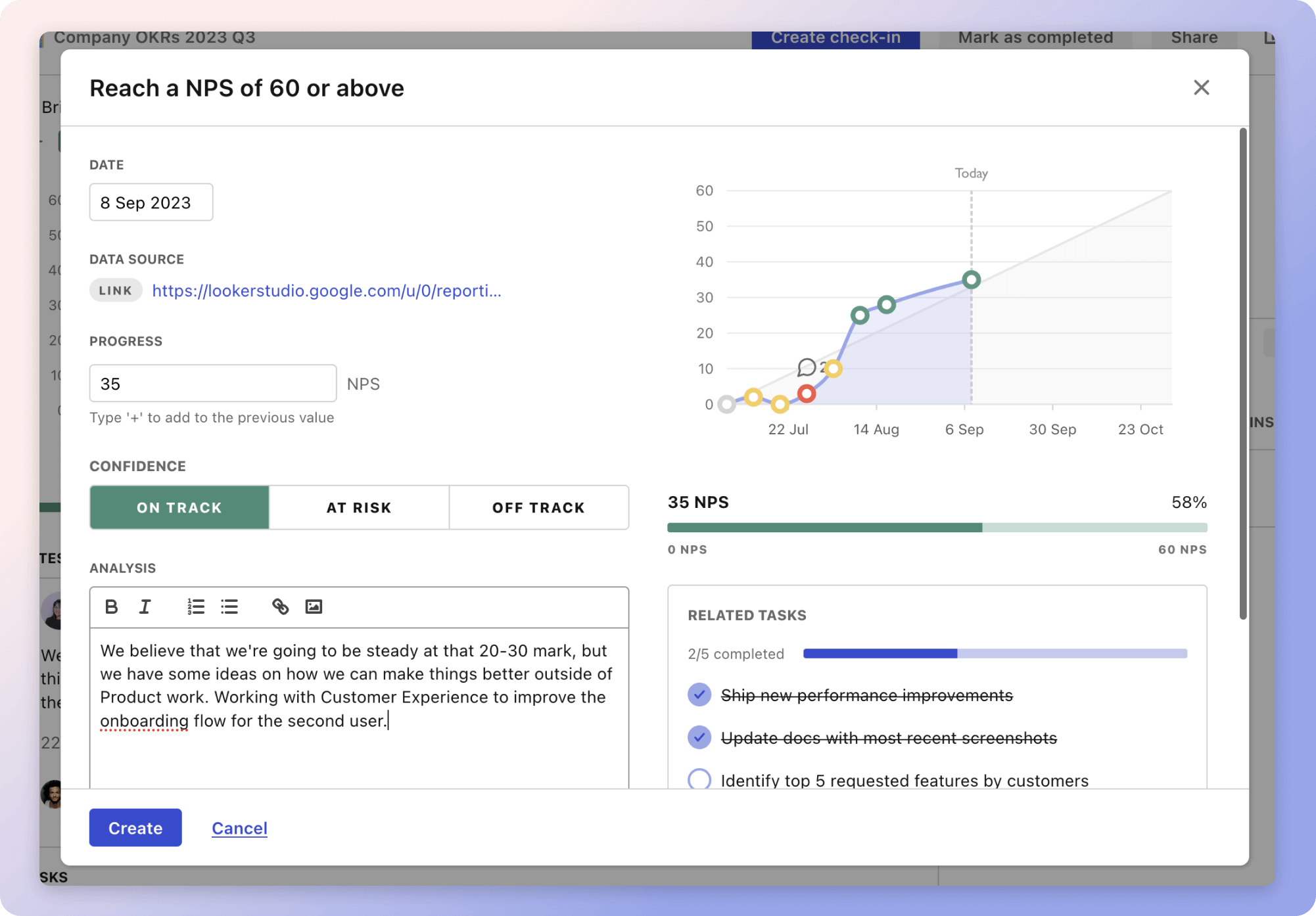
Give it a try and see how it can help you bring accountability to your strategy.