The strategy revolves around generating a million pounds within the year through three key approaches. First is increasing personal savings by creating detailed budgets to cut unnecessary expenses, setting aside a portion of income in high-interest savings accounts, and leveraging cashback and reward programmes. For instance, you might automate your savings process by setting up direct debits from your salary account while selling unused items to boost savings.
The second strategy involves starting or expanding a business. This includes identifying a profitable niche, developing a solid business plan, and using digital marketing to boost visibility. You can also increase sales via targeted campaigns while leveraging technology to reduce costs for efficiency.
The third strategy is about investing in high-return ventures through diversification and thorough research. Engage with financial advisors for optimized investment decisions, consider options like stocks, bonds, or real estate, and regularly monitor the market for adjustments. By setting milestones, evaluating performance, and continually learning through seminars, you can enhance your investment outcomes.
The strategies
⛳️ Strategy 1: Increase personal savings
- Create a detailed budget to identify and cut unnecessary expenses
- Set aside a fixed percentage of monthly income into a high-interest savings account
- Automate savings by setting up direct debit from your salary account
- Explore and invest in low-risk financial instruments
- Re-evaluate current subscriptions and memberships for cost-effectiveness
- Use cashback and reward programmes to maximise savings
- Reduce energy consumption through efficiency improvement techniques
- Sell unused items to generate additional income
- Participate in tax-saving investment options
- Regularly review and adjust savings goals based on performance
⛳️ Strategy 2: Start or expand a business
- Identify a profitable business niche or market gap
- Develop a comprehensive business plan with clear financial projections
- Secure initial funding through savings, loans, or investors
- Leverage digital marketing strategies to increase visibility
- Formulate a pricing strategy that maximises profit while being competitive
- Expand customer base and increase sales through targeted campaigns
- Continuously analyse business performance metrics and adjust strategies as needed
- Hire skilled individuals to improve operational efficiency
- Network with industry professionals to gain insights and opportunities
- Embrace technology to streamline processes and reduce costs
⛳️ Strategy 3: Invest in high return ventures
- Research and identify high-return investment opportunities
- Diversify investment portfolio to mitigate risks
- Consult with a financial advisor to optimise investment choices
- Invest in stocks, bonds, or mutual funds after thorough analysis
- Consider real estate investments with good growth potential
- Monitor market trends and adjust investments accordingly
- Reinvest earnings to leverage compound interest
- Participate in investment seminars and workshops for better understanding
- Follow industry news and reports for informed decision-making
- Set milestones and regularly evaluate investment performance
Bringing accountability to your strategy
It's one thing to have a plan, it's another to stick to it. We hope that the examples above will help you get started with your own strategy, but we also know that it's easy to get lost in the day-to-day effort.
That's why we built Tability: to help you track your progress, keep your team aligned, and make sure you're always moving in the right direction.
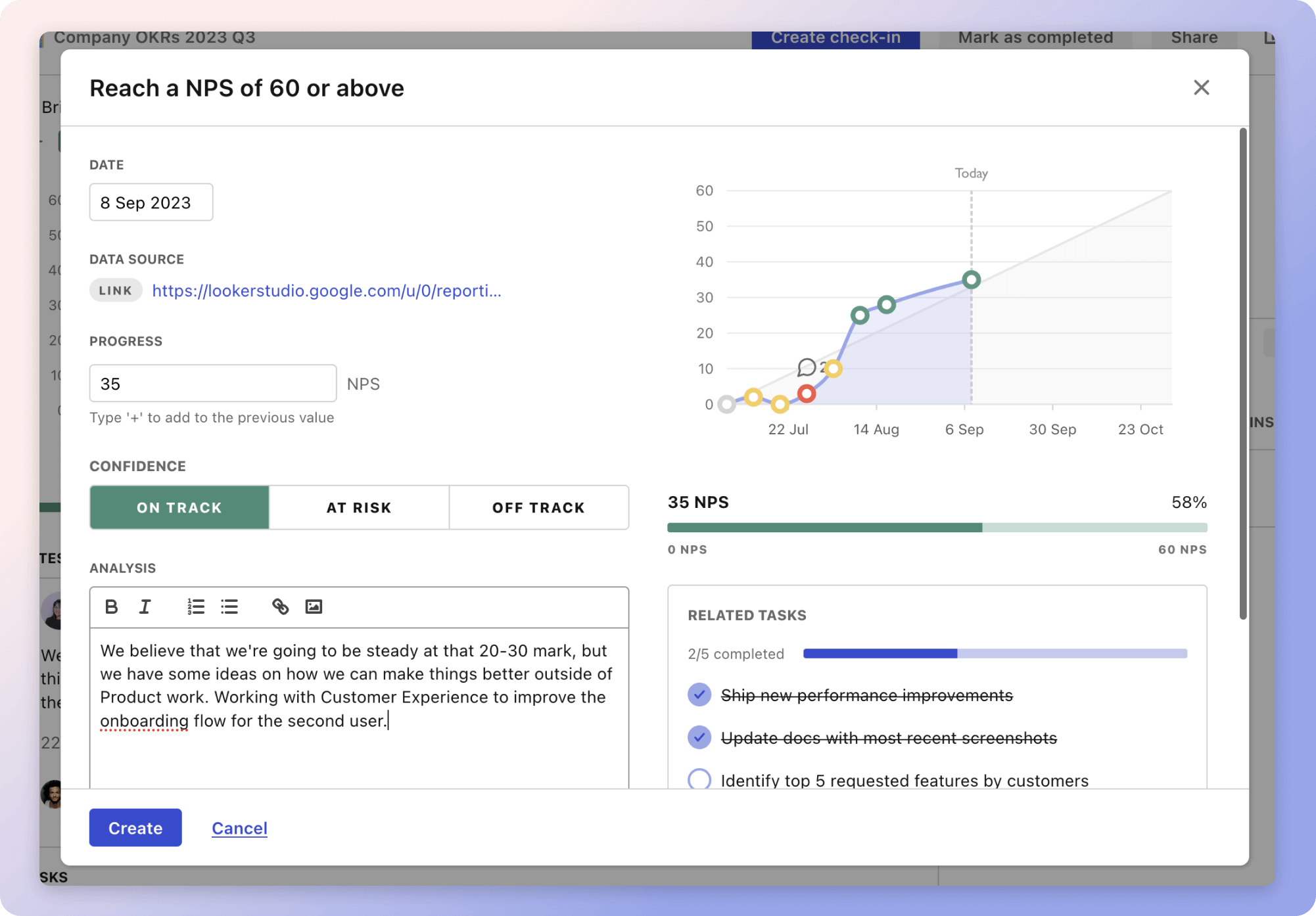
Give it a try and see how it can help you bring accountability to your strategy.