The strategy outlined is centered on developing a comprehensive community development programme for an agricultural company. Initially, the strategy involves identifying core problems by conducting stakeholder interviews, reviewing existing reports, and organizing community forums to gather diverse perspectives. For example, community feedback might highlight issues in irrigation impacting productivity. Further, surveys and data analysis are utilized to prioritize pressing issues like regulatory hurdles.
Once the problem is defined, clear objectives are established through strategic planning with company and community leaders. Objectives focus on sustainable agricultural practices and address impacts on economic, social, and environmental levels. Measurable success indicators ensure accountability, while community input refines these goals.
Finally, subjects of focus are outlined, including agriculture, health, and economic development, with timelines and milestones. Regular community meetings and partnerships with educational institutions support skill development. Integration of traditional knowledge and modern practices, along with feedback loops, ensure continuous improvement and scalability.
The strategies
⛳️ Strategy 1: Identify the problem to be solved
- Conduct stakeholder interviews to gather perspectives on existing issues
- Review existing data and reports to identify recurrent community challenges
- Organise community forums to discuss and document pressing needs
- Create a survey to collect data on community perceptions of problems
- Analyse data to determine the primary problem affecting the community
- Prioritise issues affecting agricultural productivity and community well-being
- Identify any regulatory or policy hurdles exacerbating the problem
- Engage with local experts to validate problem definitions
- Synthesize findings into a problem statement
- Share problem statement with community leaders for feedback
⛳️ Strategy 2: Define clear objectives to achieve
- Convene a strategic planning committee including company representatives and community leaders
- Set short-term and long-term objectives for the programme
- Ensure objectives align with sustainable agricultural practices
- Include objectives that address economic, social, and environmental impacts
- Establish measurable success indicators for each objective
- Ensure objectives are achievable within allocated resources
- Determine timelines for achieving each objective
- Gather input from community members and stakeholders to refine objectives
- Ensure objectives consider future growth and scalability
- Document and communicate objectives clearly to all participants
⛳️ Strategy 3: Outline subjects to work on and develop timeline
- Select key subjects that align with solving identified problems
- Create a timeline for each subject with specific milestones
- Ensure subjects cover agriculture, community health, and economic development
- Incorporate education and training sessions into the programme
- Schedule regular community meetings to track progress
- Develop partnerships with local educational institutions for skill development
- Allocate resources and assign responsibilities for each subject area
- Integrate traditional knowledge with modern practices in programme design
- Incorporate a feedback loop for continuous improvement
- Publish a comprehensive programme schedule accessible to all stakeholders
Bringing accountability to your strategy
It's one thing to have a plan, it's another to stick to it. We hope that the examples above will help you get started with your own strategy, but we also know that it's easy to get lost in the day-to-day effort.
That's why we built Tability: to help you track your progress, keep your team aligned, and make sure you're always moving in the right direction.
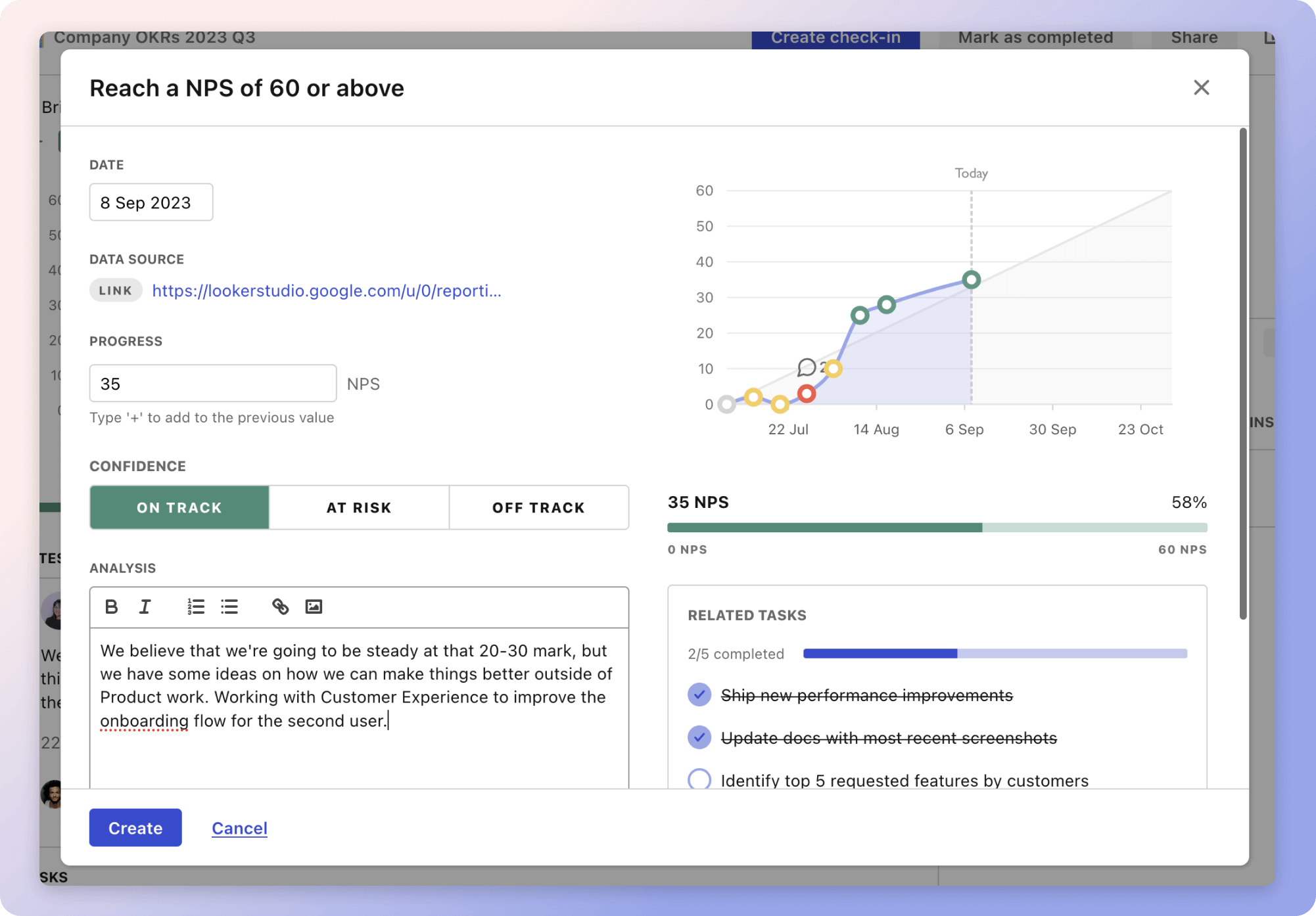
Give it a try and see how it can help you bring accountability to your strategy.